
Looking after yourself after treatment
General, conservative guidance. Always follow the specific instructions your dentist gives you.
How are you going today?
Choose your procedure and the date it was done to see what’s usually normal today, what isn’t, and today’s care steps. Nothing you enter is stored or sent.
What’s normal today
Care steps today
Red flags: Call 000 or go to the nearest emergency department if you have trouble breathing or swallowing, swelling spreading to your eye or neck, or bleeding that won’t stop with firm pressure.
General information only. Everyone heals differently. Always follow your dentist’s specific instructions.
Aftercare guides
Rest & swelling
- Avoid strenuous activity.
- Cold compress 20 minutes on / off.
- Take medication as directed.
Eating & cleaning
- Soft foods; chew on the other side.
- Gentle warm salt-water rinses from 24 hours.
- Brush other teeth normally.
Protect your implant
- Brush and floss around it daily.
- Regular check-ups and cleans.
- Avoid smoking; wear a guard if you grind.
After your appointment
- Wait until numbness wears off before eating.
- Some sensitivity is common and usually settles within a few weeks.
Care
- Brush twice daily and floss around the crown.
- Avoid biting very hard objects (ice, pens).
Something feels wrong
- The bite feels high.
- Pain increases instead of settling.
- The crown feels loose.
Protect the clot
- Bite on gauze as advised.
- Don’t rinse, spit forcefully or use straws.
- Ice packs to reduce swelling.
Healing
- Gentle salt-water rinses after meals.
- Soft foods; chew on the other side.
- No smoking.
Warning signs
- Severe or increasing pain after 2–3 days (possible dry socket).
- Bleeding that won’t stop, fever or spreading swelling.
Usually quick recovery
- Many patients return to normal activities straight away.
- If anaesthetic was used, wait for numbness to wear off.
Gentle care
- Brush the area softly; avoid very hot or spicy foods for a day or two.
- Follow any rinse instructions.
Something feels wrong
- Pain, bleeding or swelling increases.
How did your treatment and recovery go? Share quick feedback (1–2 minutes, anonymous by default).
Day-by-day: what’s normal?
Pick your treatment and slide to the day you’re on. Everyone heals differently. If you are worried, call us.
Caring for your dentures
Daily cleaning and regular check-ups help keep dentures and your mouth healthy.
Press play, or use the arrow buttons to step through. Captions are on by default (CC button).
Step by step Denture care: how it works
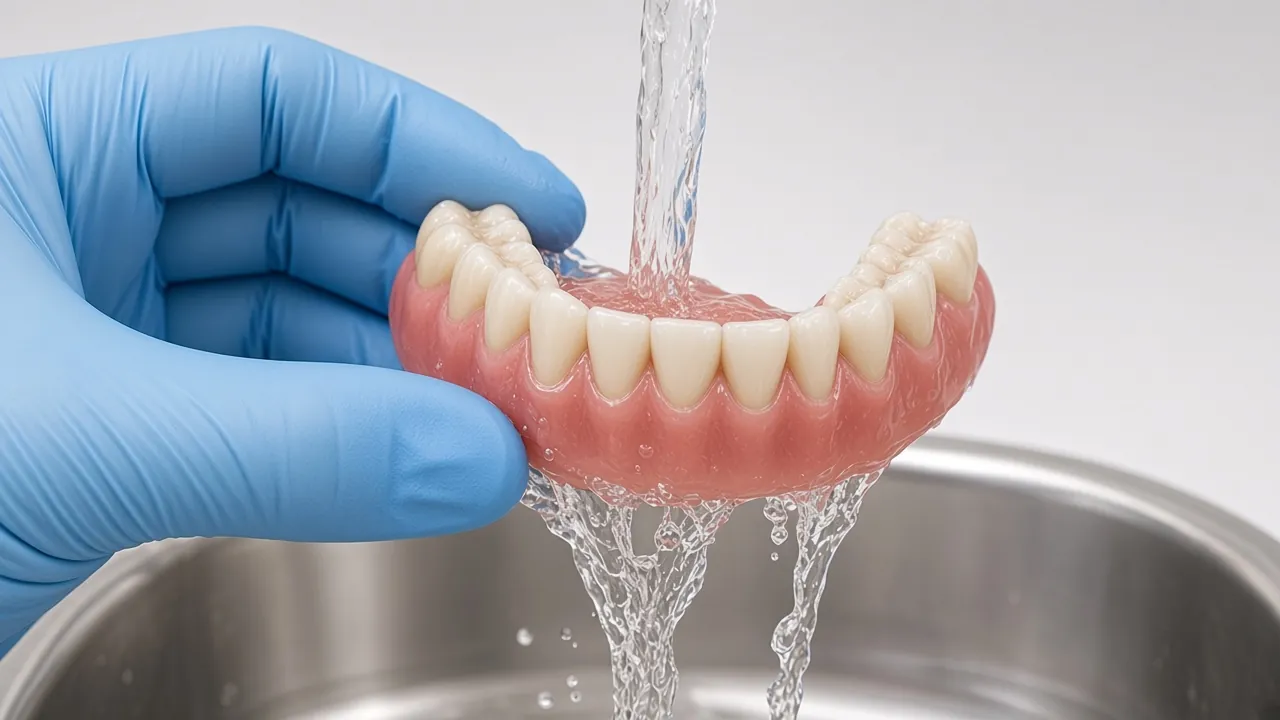
Step 1 Take your denture out and rinse it after meals.
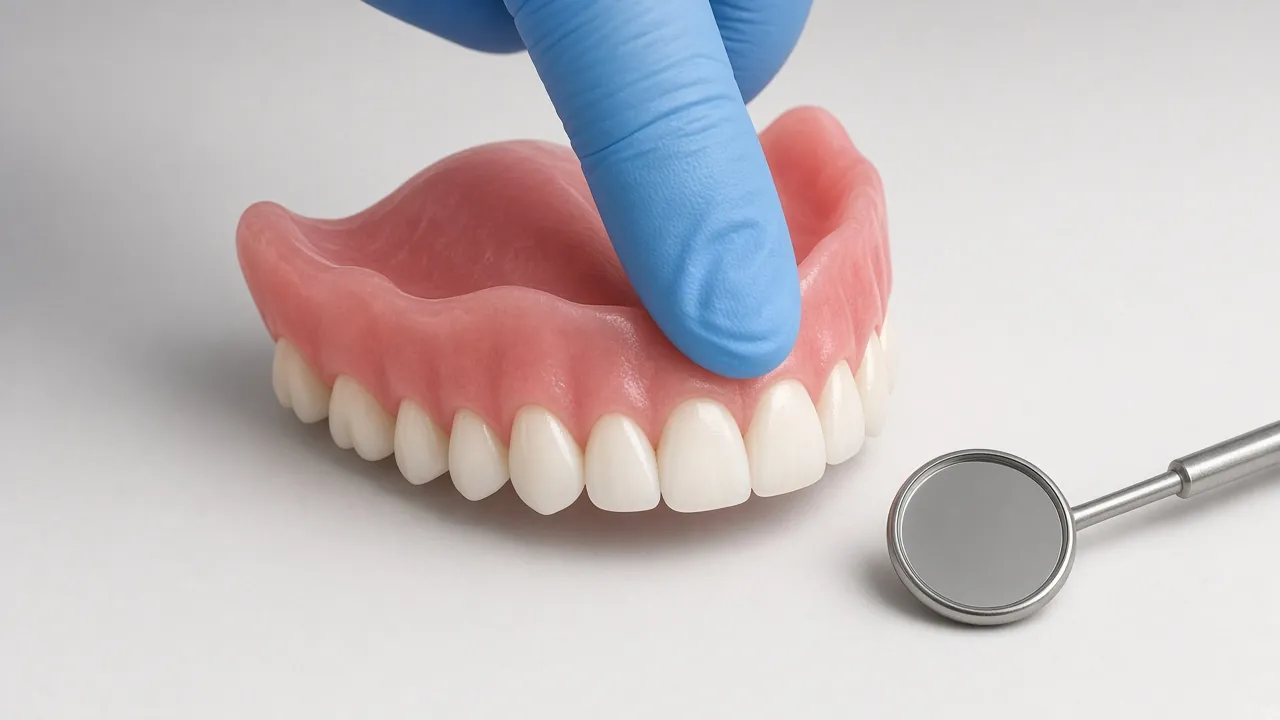
Show transcriptHide transcript (5 steps)
- Take your denture out and rinse it after meals.
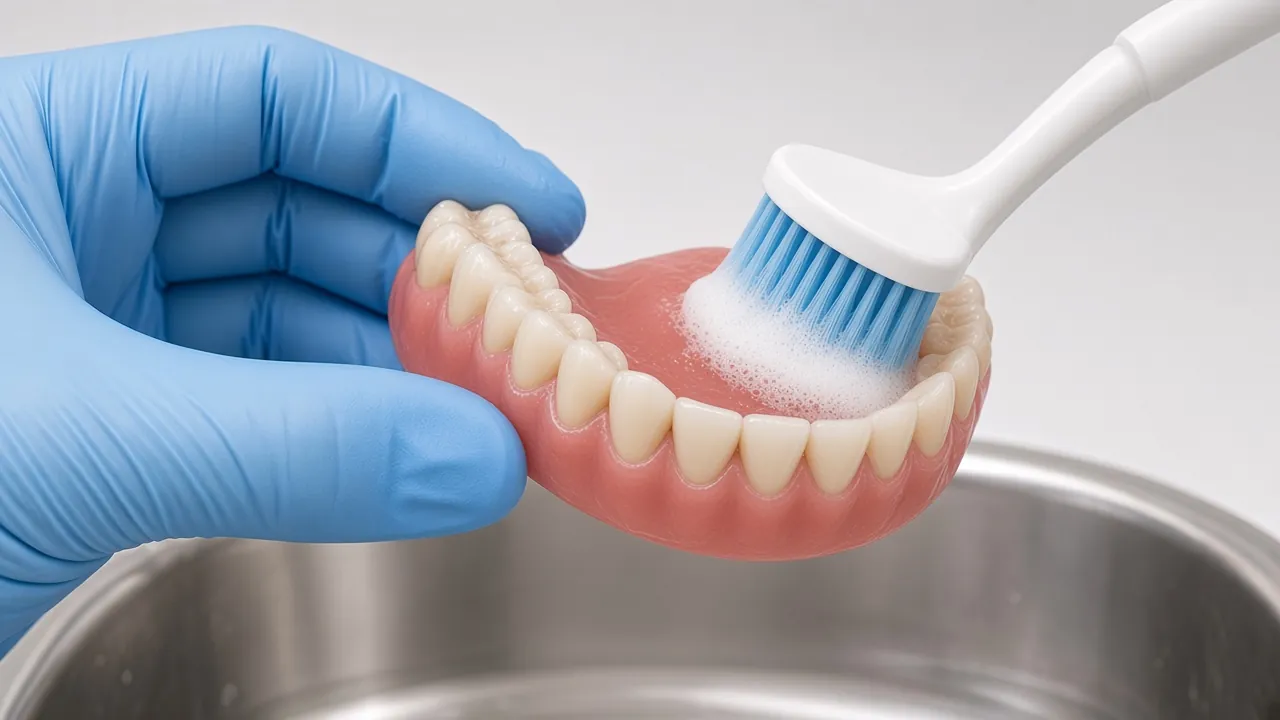
- Brush it daily with a soft brush and denture cleaner, not regular toothpaste, which can scratch.
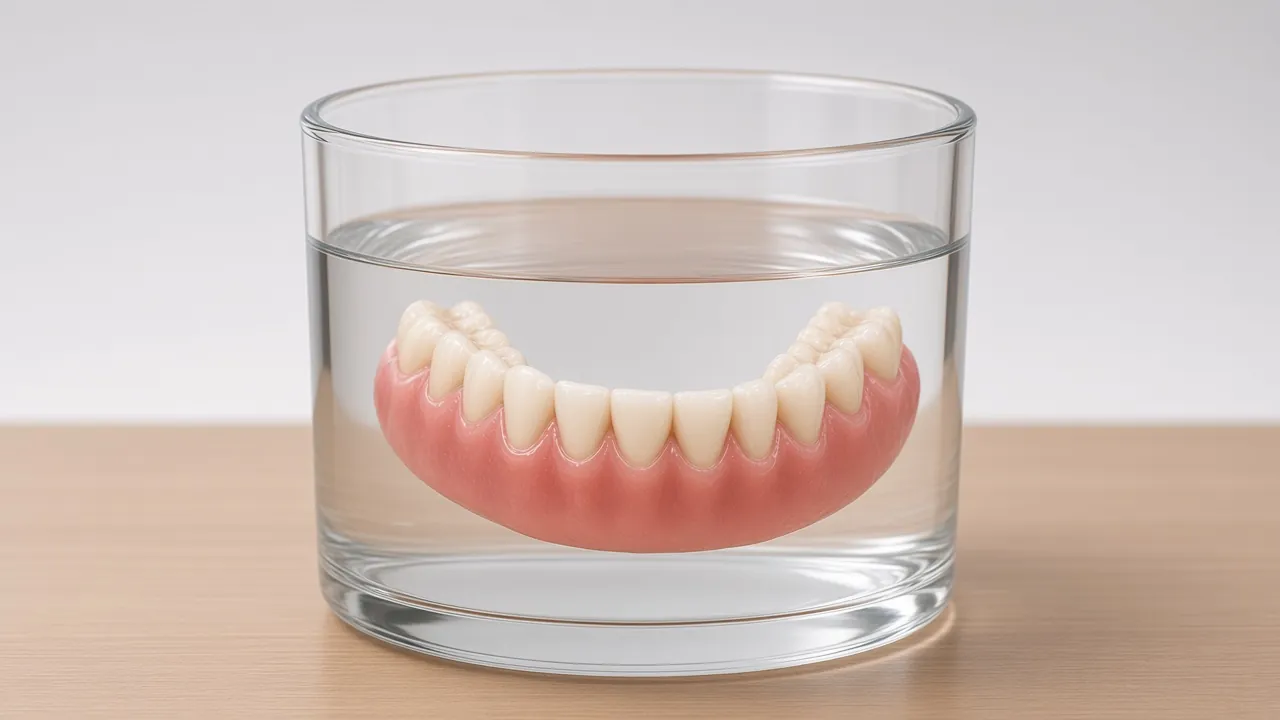
- Unless your dentist advises otherwise, leave it out overnight in water or a soaking solution.
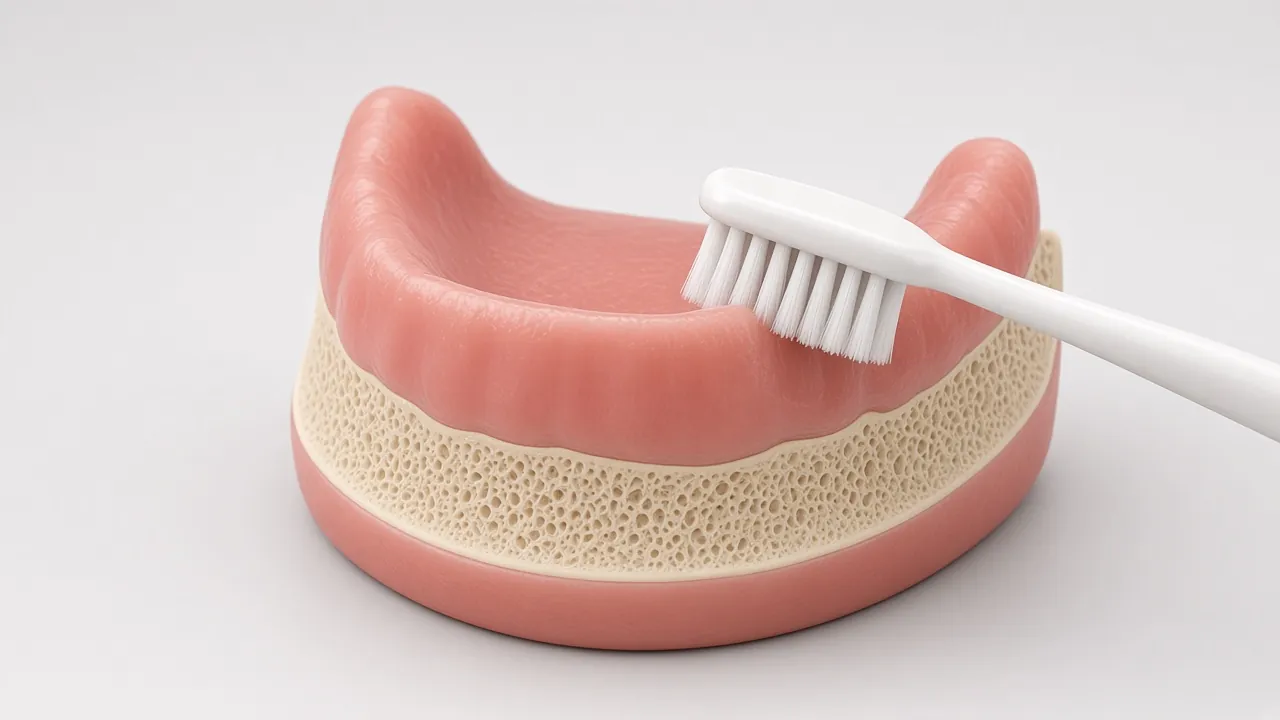
- Clean your gums, tongue and any natural teeth too.
- Keep up regular check-ups. Your dentist checks the fit and your mouth, as gums change shape over time.
Worried about your recovery?
Call us during opening hours. We’re here to help.