Hello, super smiler!
Help Toothy beat the germs! Brush them away before time runs out. Then, grown-ups, scroll down for our first-visit guide.
Germ Buster
Drag your toothbrush over the germs. Each germ needs a few scrubs!
Keyboard: click the game, then use arrow keys and space.
Children’s dentistry in pictures
Choose a topic, then press play or use the arrows. Captions are on (CC).
A first visit. Show your child what to expect. Short, friendly visits help build confidence.
Step by step A child’s first visit: how it works
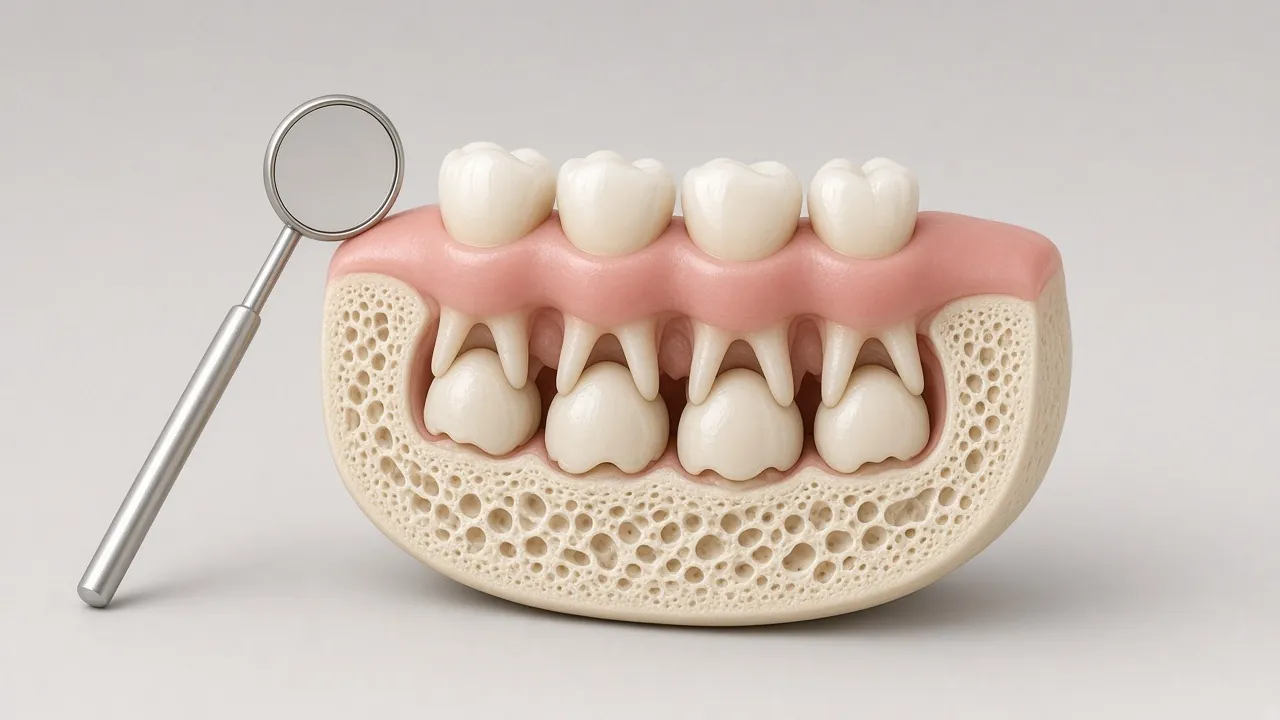
Step 1 A relaxed first visit: we count your child’s teeth with a little mirror.
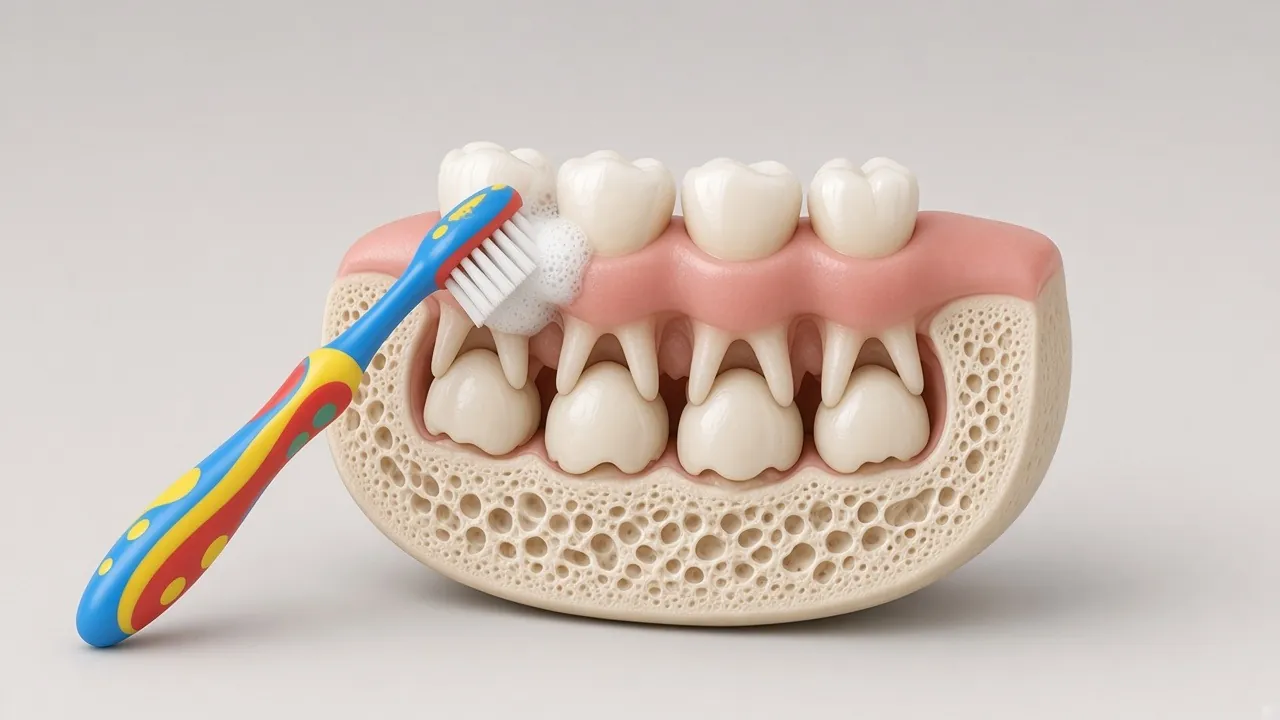
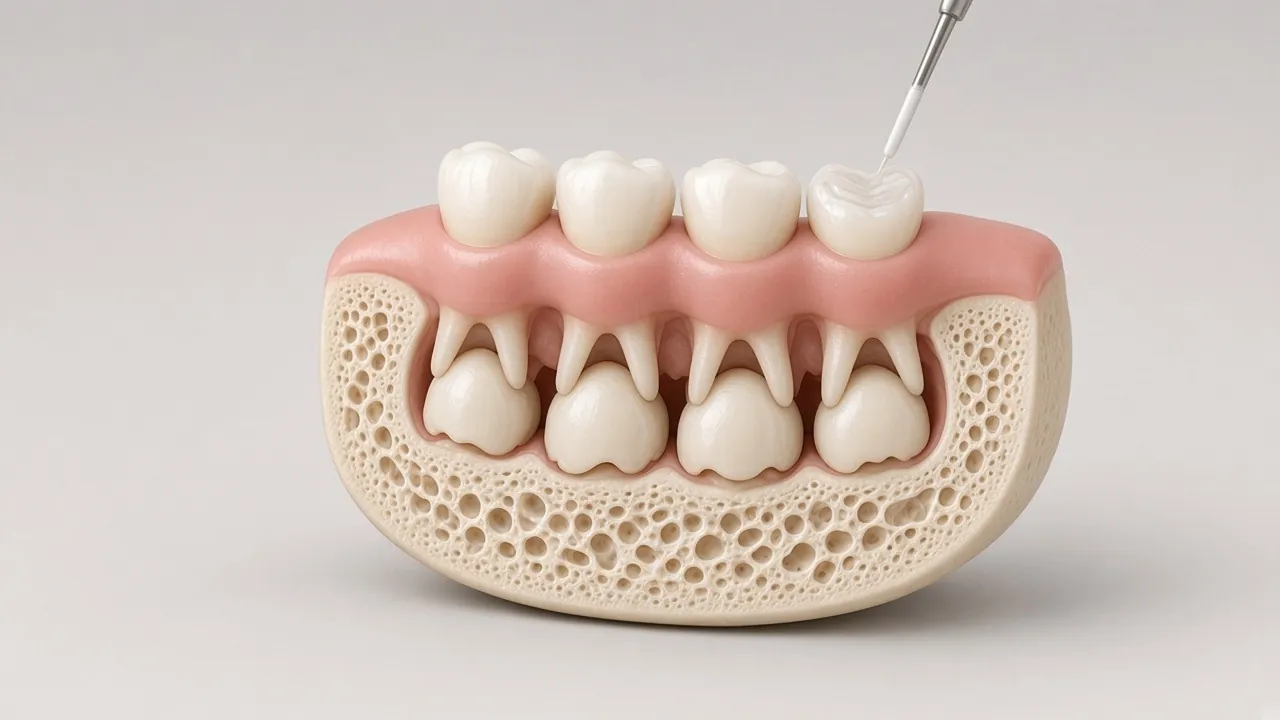
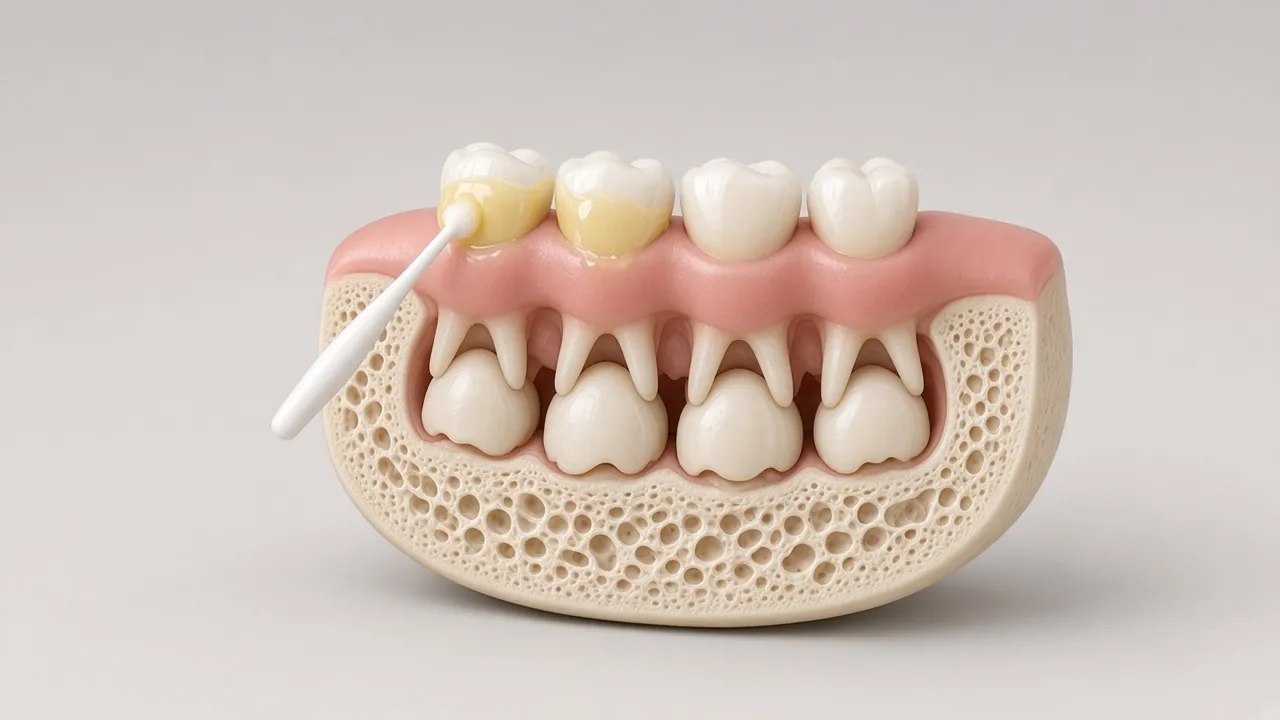
Show transcriptHide transcript (4 steps)
- A relaxed first visit: we count your child’s teeth with a little mirror.
- We practise brushing together.
- A fissure sealant may be recommended to help protect the grooves of back teeth.
- Fluoride varnish may be painted on to help strengthen the enamel.
Teething. What’s happening when teeth come through, and simple ways to help.
Step by step Teething: how it works
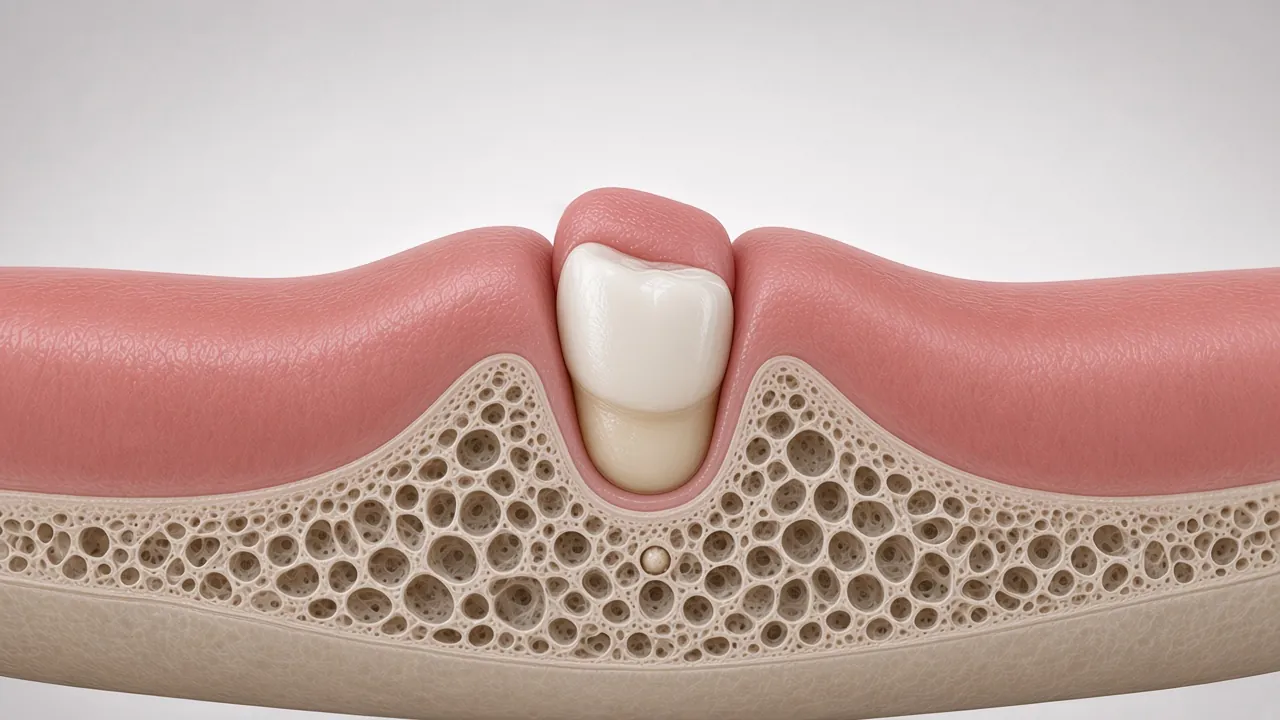
Step 1 Baby teeth usually start coming through at about six months, but every child is different.
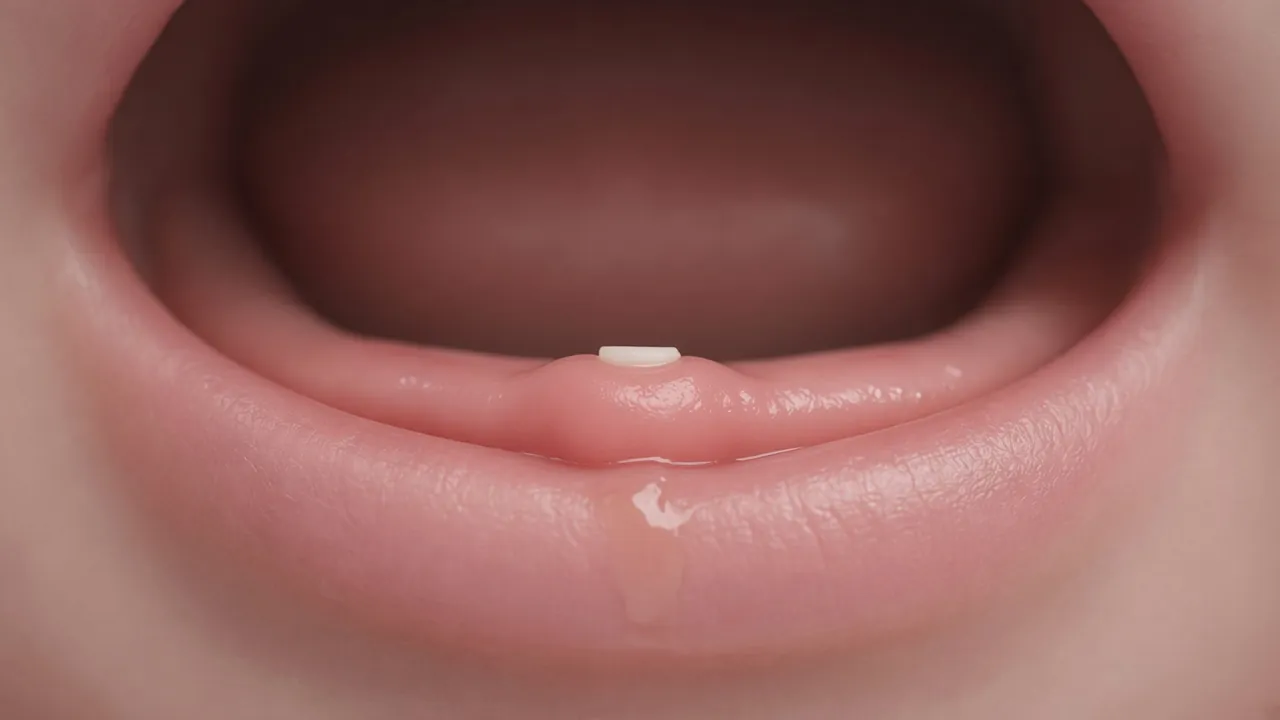
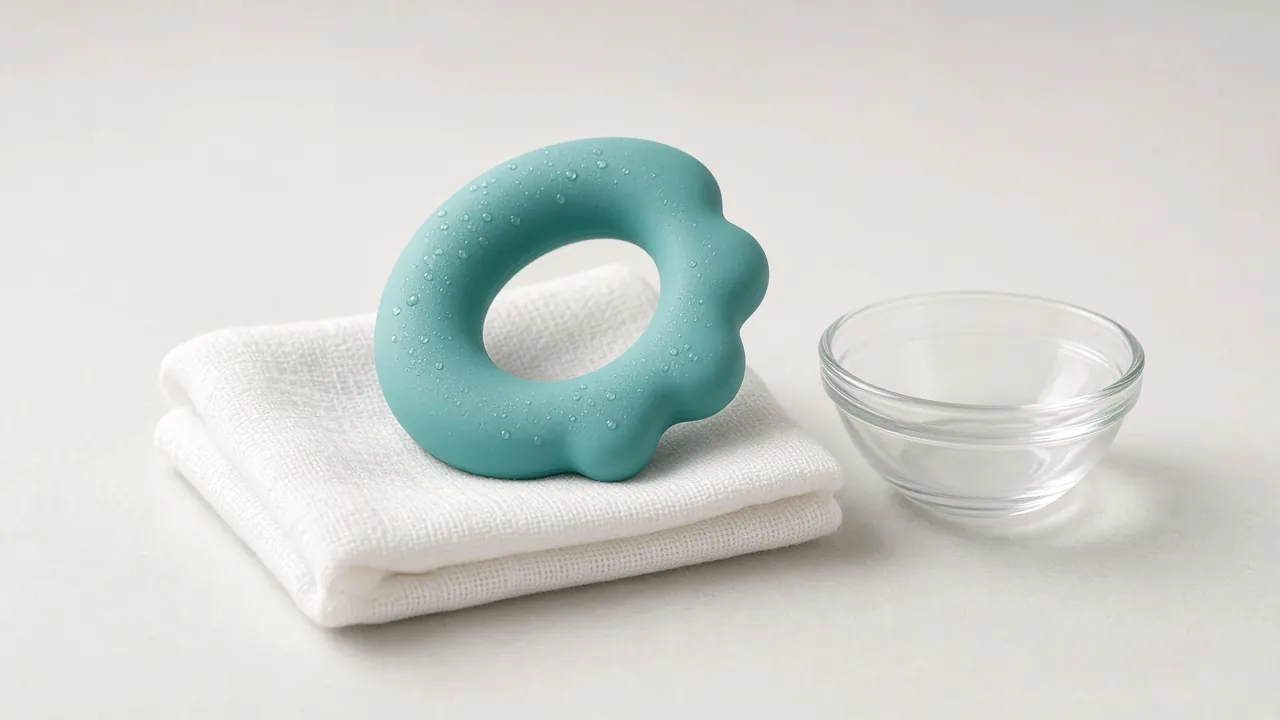
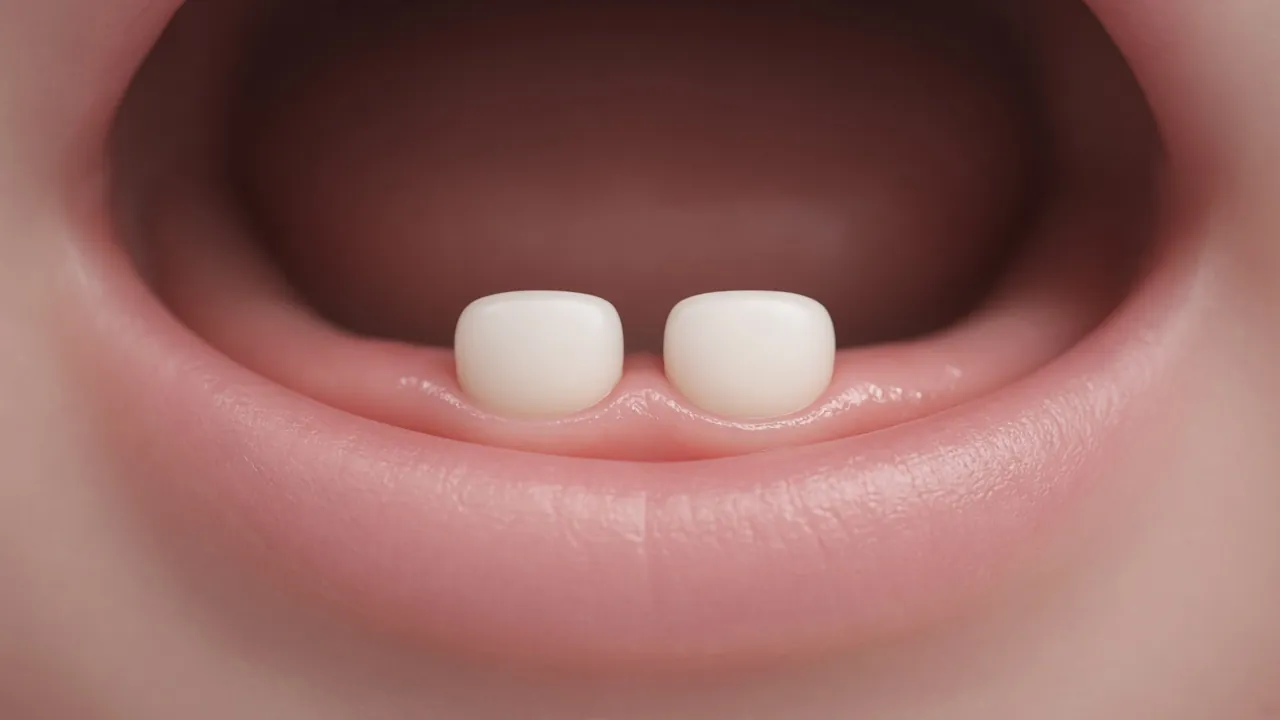
Show transcriptHide transcript (4 steps)
- Baby teeth usually start coming through at about six months, but every child is different.
- Gums can be sore and swollen, and babies may dribble and chew more.
- A clean, chilled (not frozen) teething ring or gentle gum rubbing with a clean finger may help.
- Fever or ongoing illness is not usually from teething. See your doctor if your baby is unwell.
Thumb and dummy sucking. A common comfort habit: when it can start to affect the teeth, and how to help.
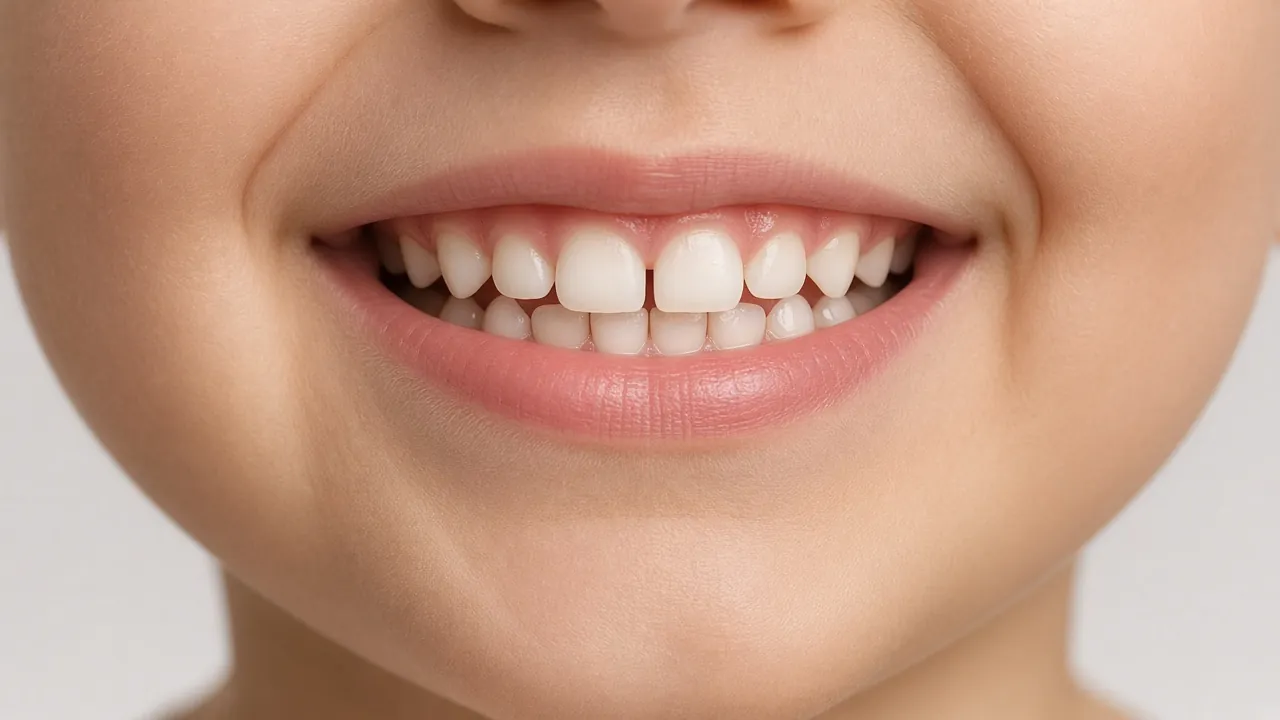
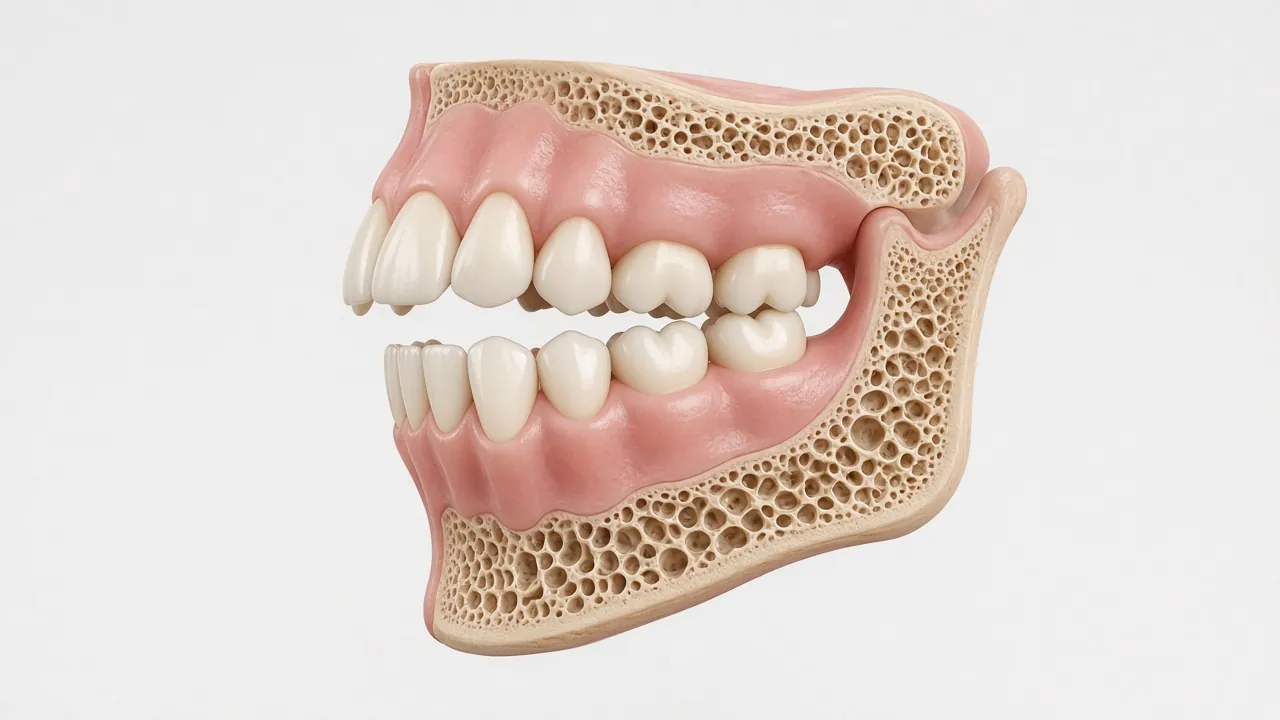
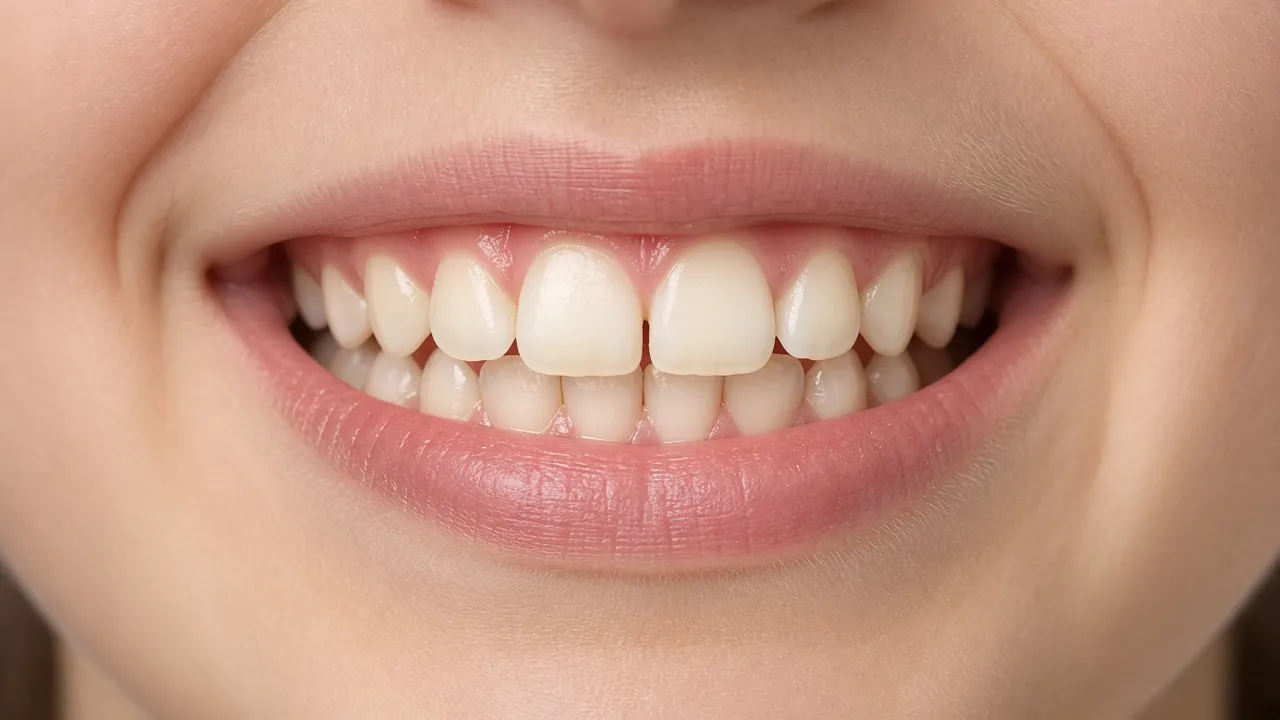
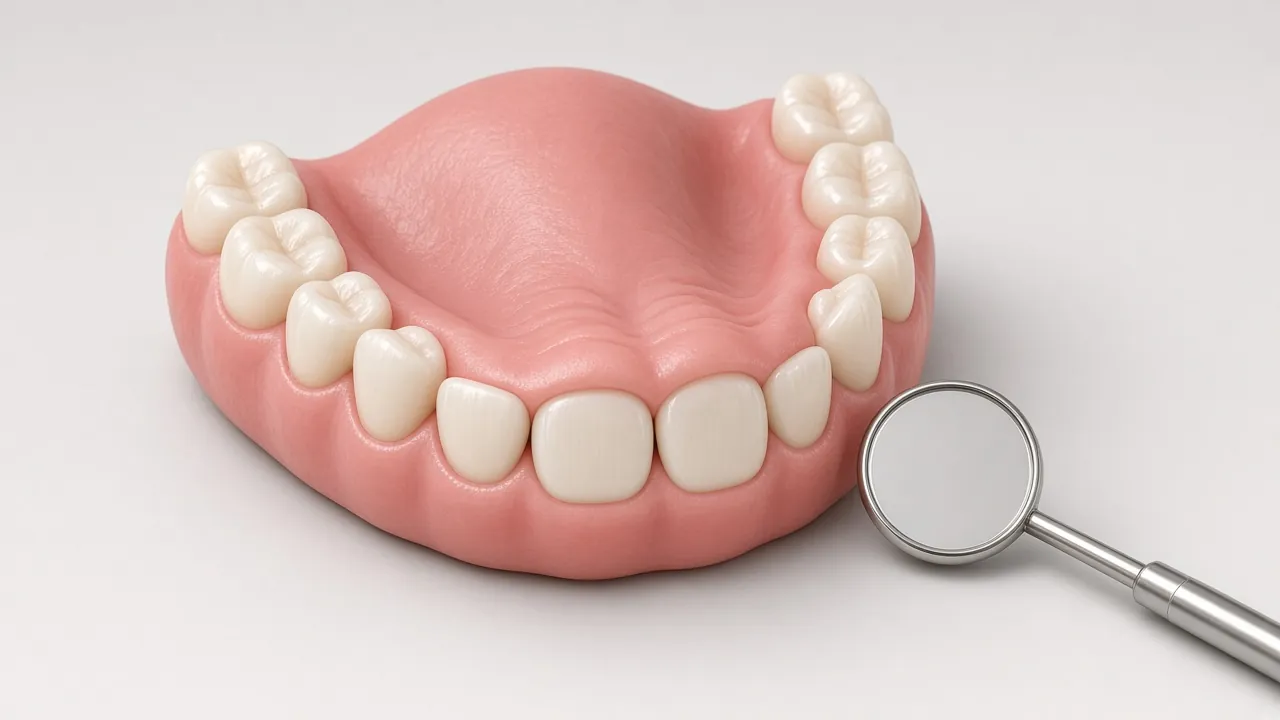
Step by step Thumb sucking: how it works
Step 1 Thumb or dummy sucking is a normal comfort habit for babies and young children.
Show transcriptHide transcript (4 steps)
- Thumb or dummy sucking is a normal comfort habit for babies and young children.
- If it continues as adult teeth come through, it can push the front teeth forward and affect the bite.
- Most children stop on their own. Gentle praise and distraction work better than pressure.
- Your dentist can check how the teeth and jaws are developing and suggest next steps if needed.
Your child’s first visit
Talk about it positively
Read a story or watch a video about visiting the dentist. Avoid words like “hurt” or “needle”.
Book a morning visit
Children are usually happier and less tired earlier in the day.
Ride in the chair
We count teeth, show the tools and keep things fun and gentle.
Healthy habits
Brush twice a day for two minutes, limit sugary snacks and drinks, and visit every six months or as advised.
Child Dental Benefits Schedule (CDBS): we lodge eligible CDBS claims through Tyro Health. Eligibility is set by Medicare; bring your child’s Medicare card.
Brush along for 2 minutes
Press start and brush each part of your mouth while the ring fills up: top right, top left, bottom left, bottom right. 30 seconds each.
Ready when you are
Tooth quiz
1. You should brush your teeth twice a day for about 2 minutes.
Twice a day, for about 2 minutes, with fluoride toothpaste.
2. Baby teeth don’t matter because they fall out.
Baby teeth hold space for adult teeth and help children eat and talk.
3. A pea-sized amount of toothpaste is enough.
A small pea-sized amount is right for children from 18 months.
4. You should rinse with lots of water after brushing.
Spit, don’t rinse, so the fluoride keeps working.
5. Water is the best drink for your teeth.
Tap water in Perth contains a little fluoride too.
6. Sticky lollies are a good snack between meals.
Keep sweet treats to mealtimes and choose fruit, cheese or veggies for snacks.
Printable brushing chart
Print it, pop it on the fridge and colour a star every time you brush.
| Day | Morning | Night |
|---|---|---|
| Mon | ☆ | ☆ |
| Tue | ☆ | ☆ |
| Wed | ☆ | ☆ |
| Thu | ☆ | ☆ |
| Fri | ☆ | ☆ |
| Sat | ☆ | ☆ |
| Sun | ☆ | ☆ |
Child Dental Benefits Schedule (CDBS)
Eligible children aged 0 to 17 can get up to $1,158 in benefits for basic dental services over two consecutive calendar years, if 2026 is their first year (the cap is $1,132 if their two-year period started in 2025). It covers services such as check-ups, X-rays, cleaning, fissure sealants, fillings, root canals and extractions. It doesn’t cover orthodontics, cosmetic work or hospital dental services.
You don’t need to apply. Services Australia writes to you if your child is eligible (for example, if you receive Family Tax Benefit Part A). We check eligibility and remaining balance before treatment, and lodge claims through Tyro Health. Bring your child’s Medicare card. CDBS on Services Australia (opens in a new tab)
Book your child’s visit
Gentle care from the very first tooth.