
Fillings that repair and protect
A filling repairs a tooth damaged by decay or a small fracture. The decay is removed, the tooth is cleaned and the space is filled to restore its shape and help stop decay spreading.
This picture is hidden in anxiety-friendly mode.
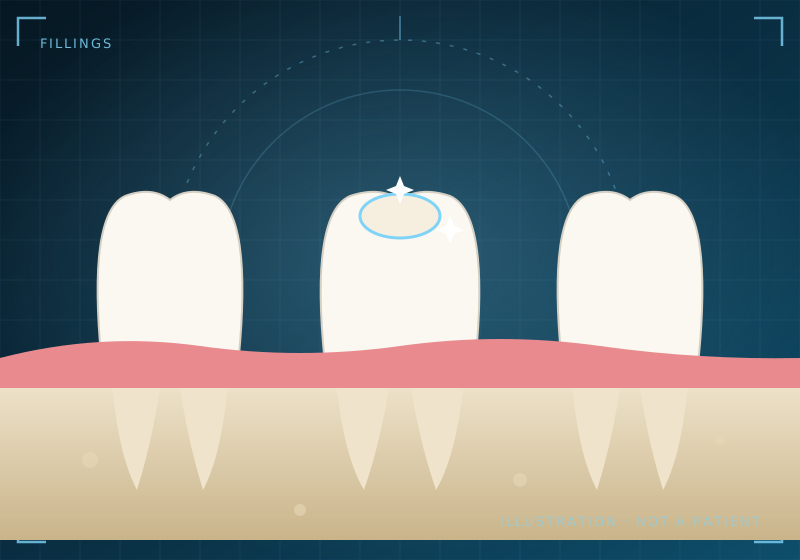
What is a filling?
A filling repairs a tooth damaged by decay, a small crack or wear. The damaged part is removed and the tooth is rebuilt with tooth-coloured material that is shaped to fit your bite.
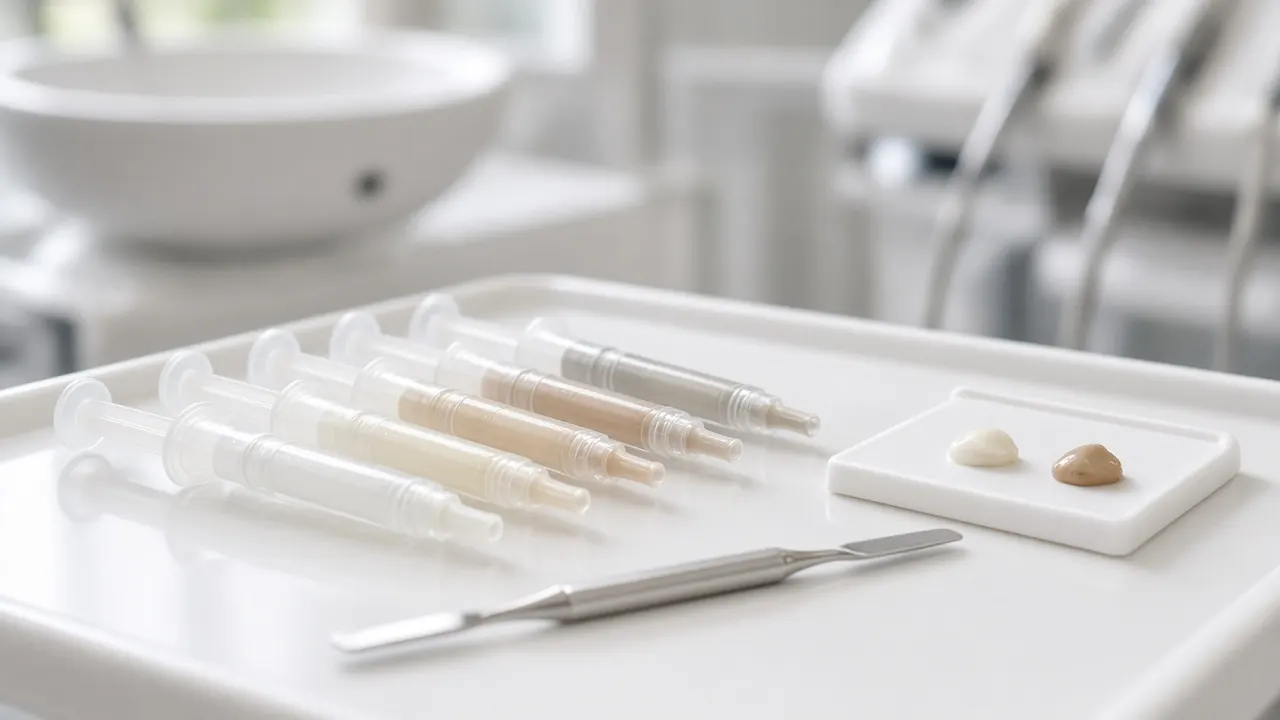
Composite
Tooth-coloured resin bonded to the tooth; often used for small to medium cavities.
Glass ionomer
Releases fluoride; often used for children’s teeth and areas near the gum line. Less hard-wearing.
Ceramic / porcelain
Made to fit and bonded in place; resists staining.
Fillings in pictures
Press play or use the arrows. Captions are on (CC).
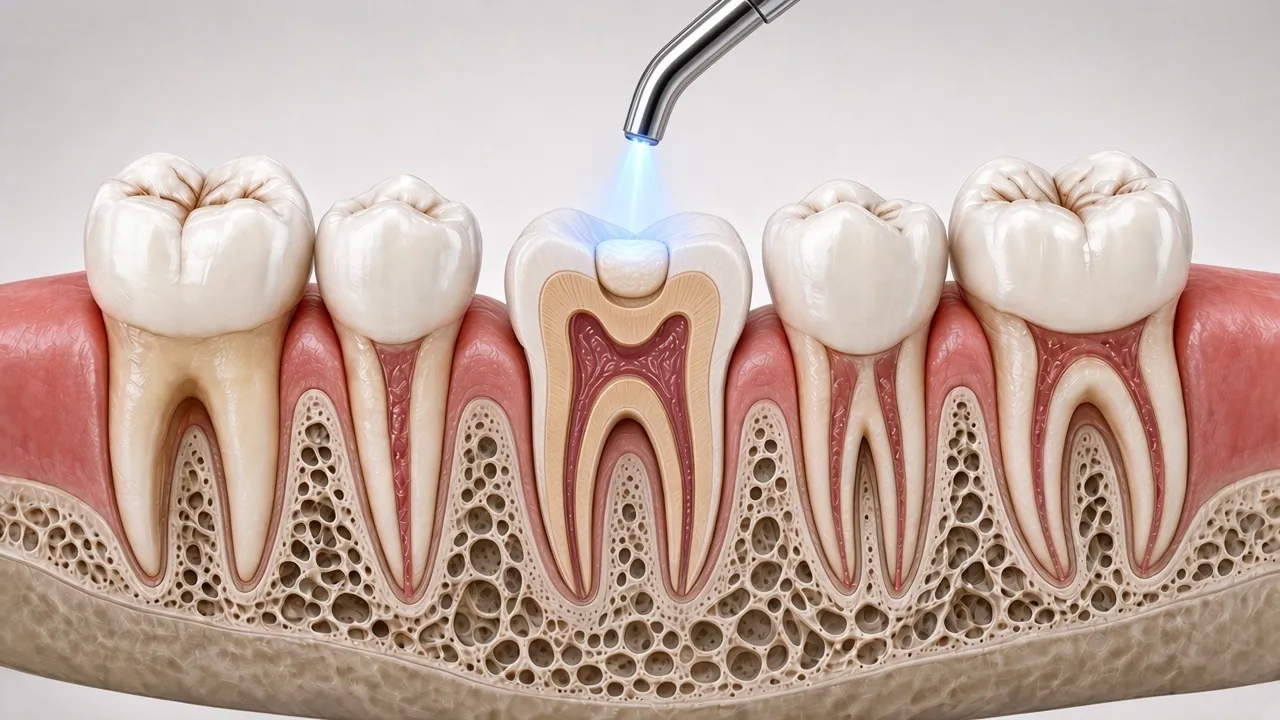
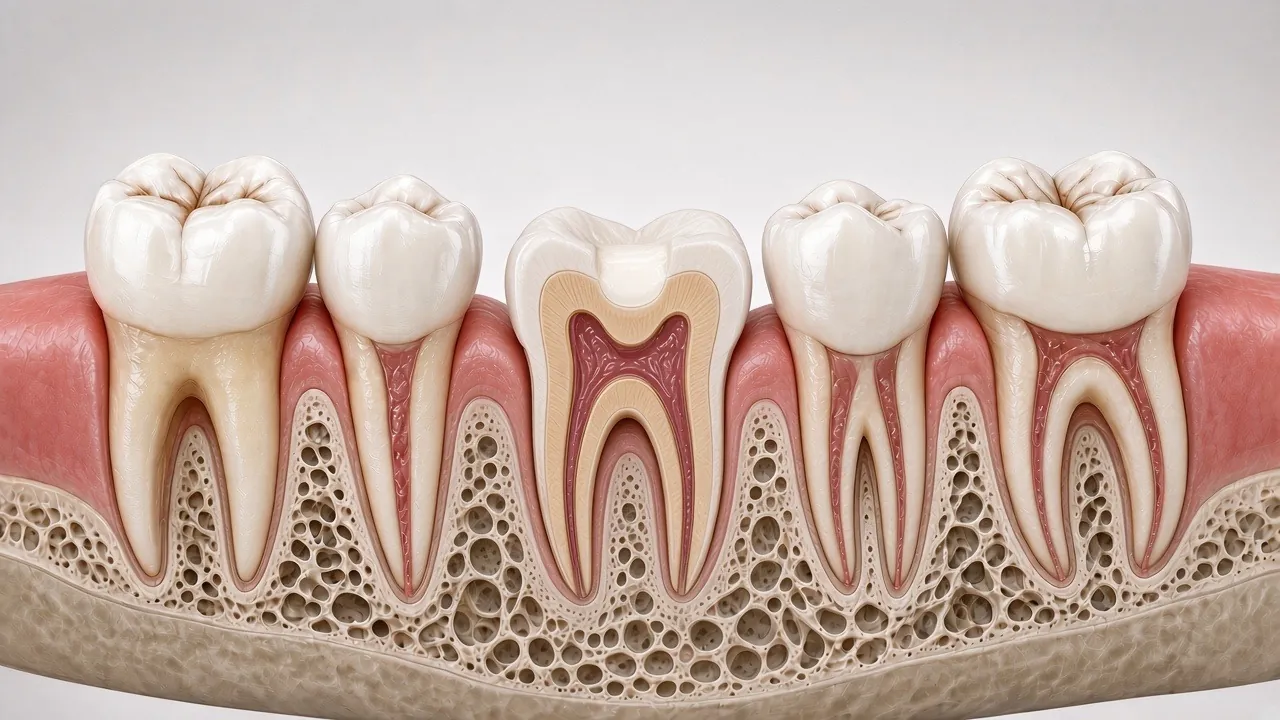
A tooth-coloured filling. How decay is removed and the tooth is rebuilt, step by step.
This animation is hidden in anxiety-friendly mode.
Step by step Fillings: how it works
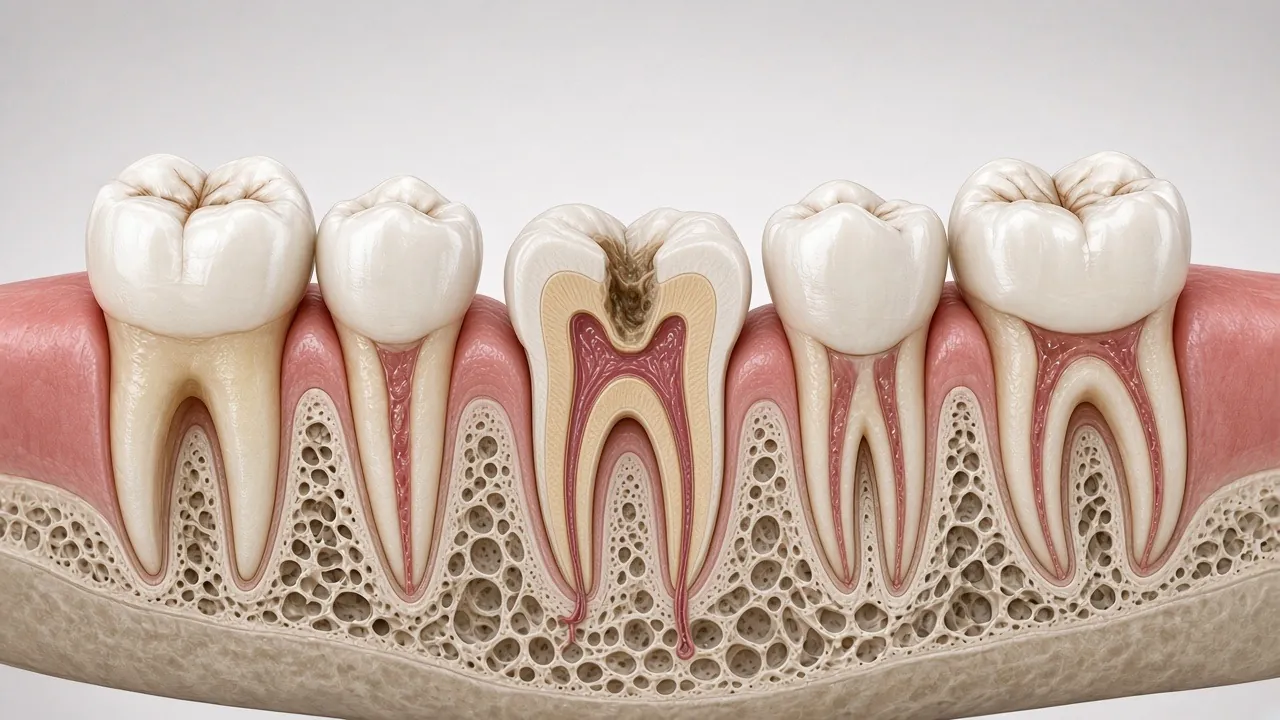
Step 1 Decay has made a cavity in the chewing surface of the tooth.
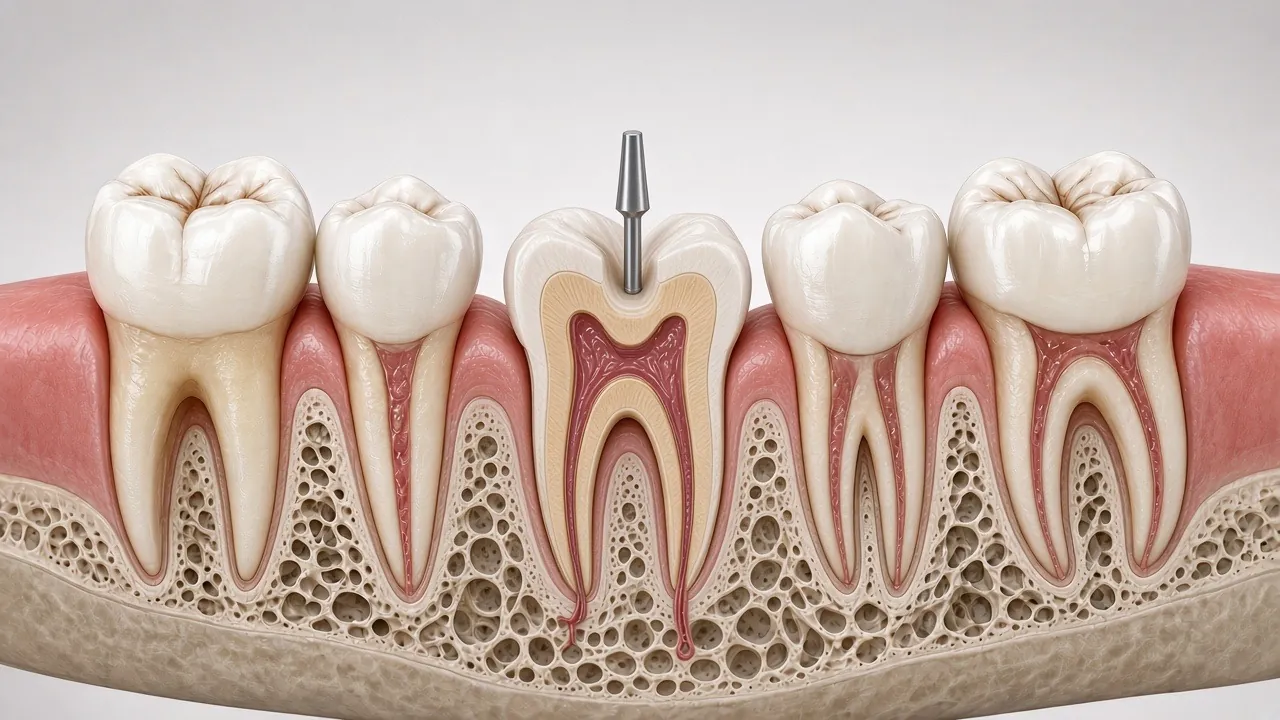
Show transcriptHide transcript (4 steps)
- Decay has made a cavity in the chewing surface of the tooth.
- The tooth is numbed, and the decay is removed.
- Tooth-coloured filling material is placed in layers and hardened with a blue light.
- The filling is shaped and polished to fit your bite.
Treatment facts
Plain-language answers to common questions. General information only: your dentist will explain your own options, risks and costs after examining you.
Is it right for me?
It may suit you if
- you have a small to medium hole (cavity) from decay
- a tooth has a small chip or crack
- an old filling is worn, leaking or broken
- food keeps catching in one spot
Worth knowing first
- Large areas of damage may need an onlay or crown instead.
- If decay has reached the nerve, root canal treatment may be needed.
- Fillings can wear or break over time and may need replacing.
What happens
Check
Your dentist looks at the tooth and may take an X-ray.
Numbing
Local anaesthetic is used if needed, so you stay comfortable.
Removing decay
The decay or old filling is gently removed and the tooth is cleaned.
Rebuilding
Tooth-coloured material is placed in layers and hardened with a blue light.
often 30–60 minutesShaping and polishing
The filling is shaped to fit your bite and polished smooth.
Check-ups
We check your fillings at your regular visits.
Times are typical ranges only. Your dentist will give you your own plan.
Recovery and aftercare
The first few days
- Numbness usually wears off in 2 to 4 hours. Avoid hot drinks and chewing until it does.
- Some sensitivity to cold or biting is common for a few days to a few weeks.
- If your bite feels high, call us: it is a quick adjustment.
Looking after it long term
- Brush twice a day with fluoride toothpaste and clean between your teeth.
- Cut back on sugary snacks and drinks between meals.
- Keep up regular check-ups so small problems are found early.
When to call us: ring (08) 9330 7115 if you have pain, a sore spot, sensitivity that isn’t settling, or anything else that worries you.
Risks to know about
Every treatment has some risks. Your dentist will talk you through the ones that apply to you.
- Sensitivity to hot, cold or biting, which usually settles.
- A high spot on the bite, which is easily adjusted.
- Wear, chipping or decay around the edges over time, which may mean the filling needs replacing.
- Nerve irritation in deep cavities. Sometimes a tooth later needs root canal treatment.
Ways risk is lowered: finding decay early, careful technique and regular check-ups.
Other options
Inlay or onlay
A custom piece made for a larger repair on a back tooth.
Crown
A cap over the whole tooth when there isn’t much tooth left.
Monitoring
Very early decay can sometimes be watched and treated with fluoride instead.
Cost and paying
What affects the cost
- how many surfaces of the tooth need filling
- which tooth it is
- the material used
- X-rays and any other treatment on the day
We can’t give an exact price before we examine you. You’ll get a written, itemised plan and estimate before any treatment starts. Health fund rebates depend on your fund and level of cover.
Paying for a filling
- Estimate first. For planned treatment you get a written estimate with item numbers before you start.
- Claim on the day. Bring your health fund card. We claim on the spot with Tyro, so you pay only the gap.
- Check your cover. Use the health fund checker to see which item numbers to ask your fund about.
- Ways to pay. EFTPOS and card, including tap and pay. Payment plans are available through Tyro and are tailored to each patient. Ask us about eligibility, terms and any fees before you start. Fees and payments
Common questions
Which filling material is right for me?
It depends on the size and position of the cavity and your preferences. Composite, glass ionomer and ceramic options each have pros and cons, and your dentist will explain them.
How long does a filling take?
Many fillings are done in one visit of about 30 to 60 minutes.
Can a laser be used instead of a drill?
For some small to moderate cavities our Fotona LightWalker laser may be suitable. Your dentist will tell you if it’s an option for you.
You might also like to read
Information adapted from our main website, myareedental.com. General information only; it isn’t a substitute for advice from your dentist. Fees are confirmed in a written treatment plan after your examination.
Your next step
Request an appointment online, call or text our team.