
Crowns and bridges, custom-made for your bite
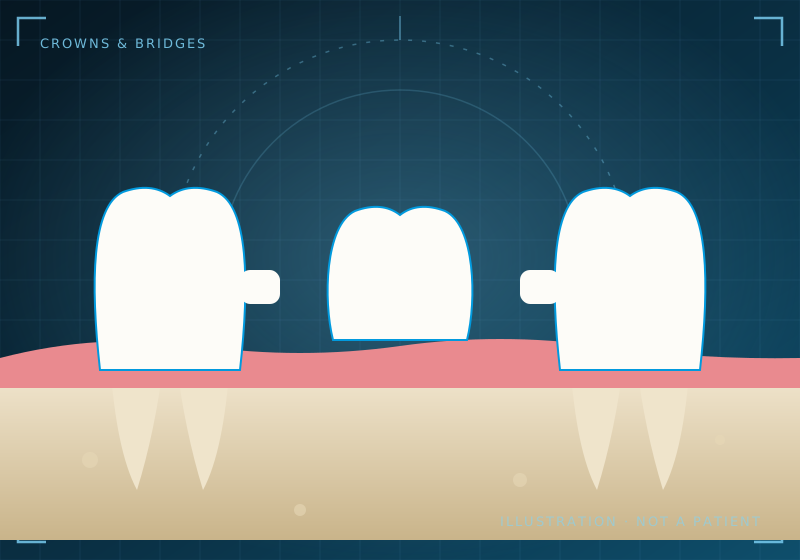
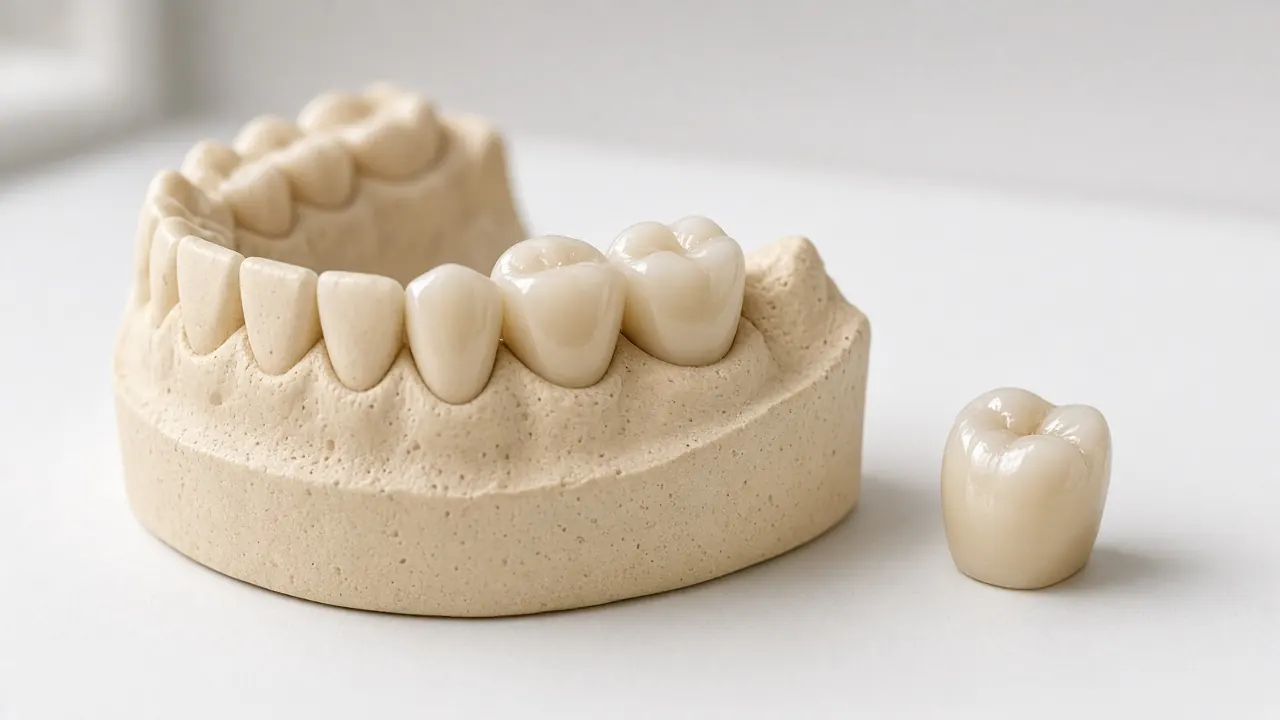
A crown is a tooth-shaped cap that covers a weakened or damaged tooth. A bridge replaces a missing tooth by joining a false tooth to crowns on the teeth either side.
What are crowns and bridges?
A crown is a cap that covers a weak, cracked or heavily filled tooth to protect it. A bridge replaces a missing tooth with a false tooth held by crowns on the teeth either side.
Ceramic / porcelain
Tooth-coloured; often used for front teeth.
Zircona
A very strong ceramic, often used for back teeth.
Porcelain fused to metal
A metal core with a porcelain outer layer.
Traditional bridge
A false tooth held by crowns on the teeth either side.
Implant-supported bridge
A bridge held by implants instead of natural teeth.
Crowns and bridges in pictures
Press play or use the arrows. Captions are on (CC).
Crowns and bridges. How a crown protects a weak tooth, and how a bridge fills a gap.
Step by step Crowns & bridges: how it works
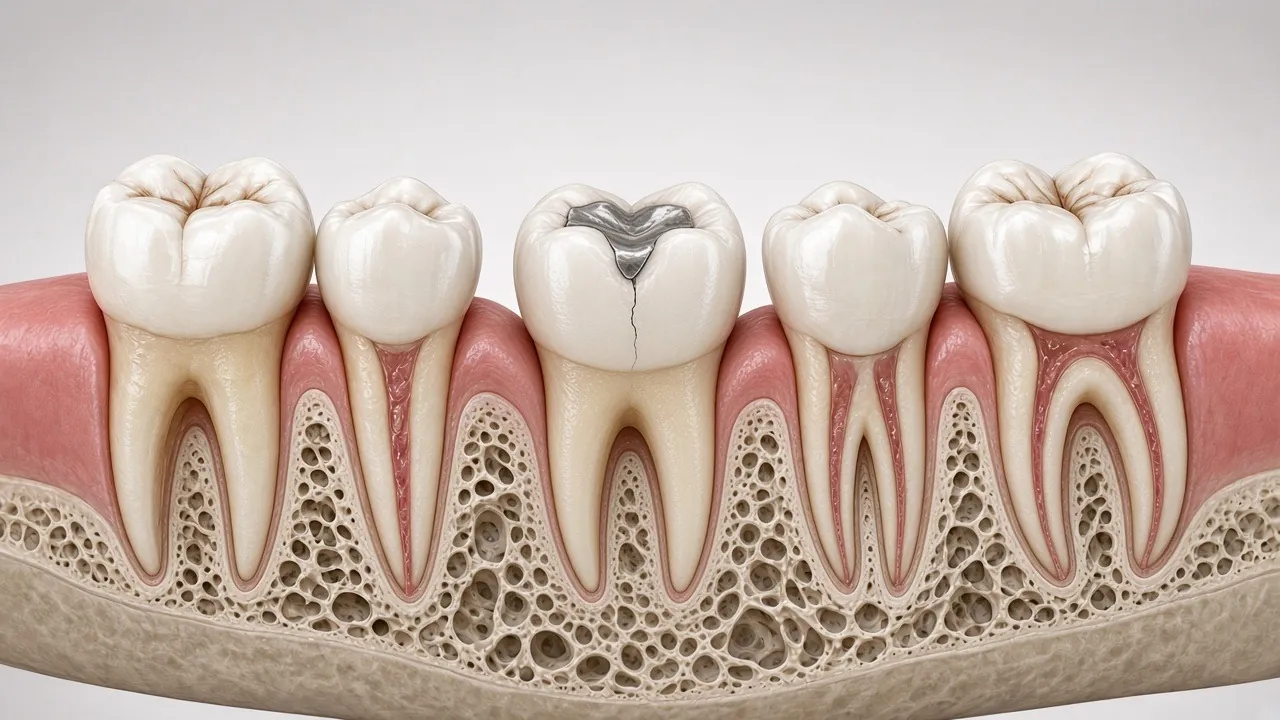
Step 1 A tooth with a crack or a large old filling can be weakened.
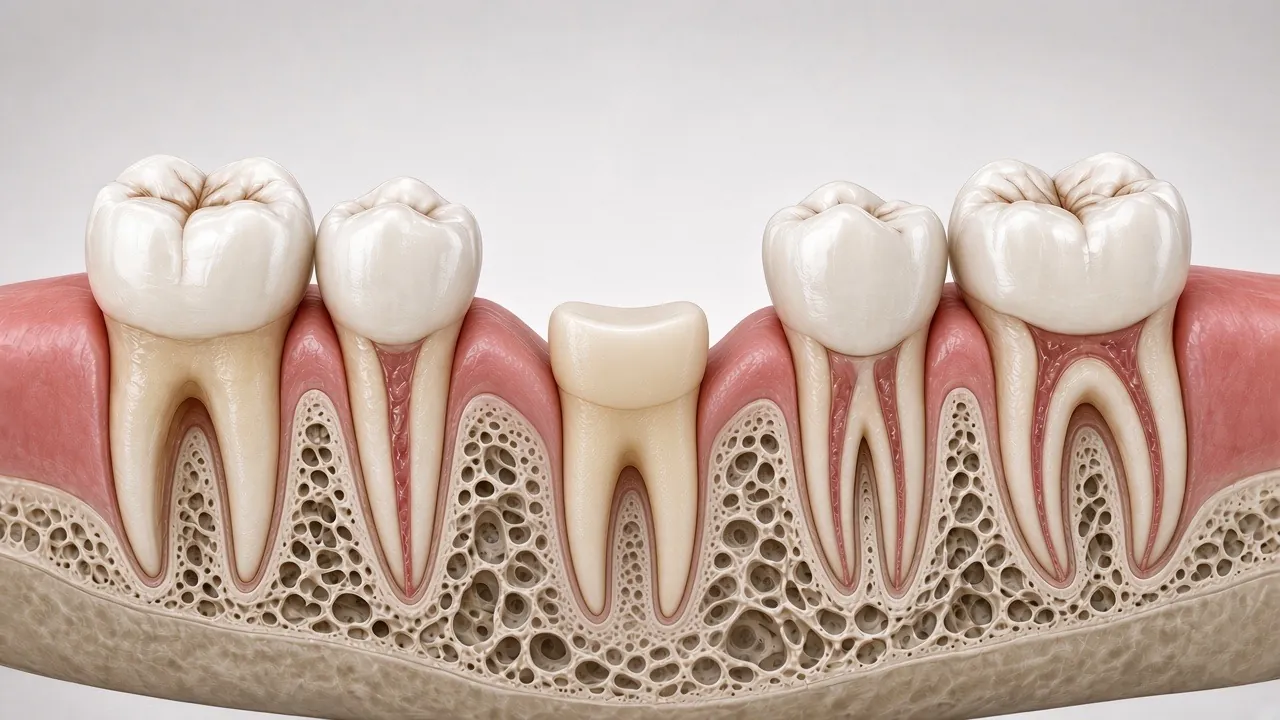
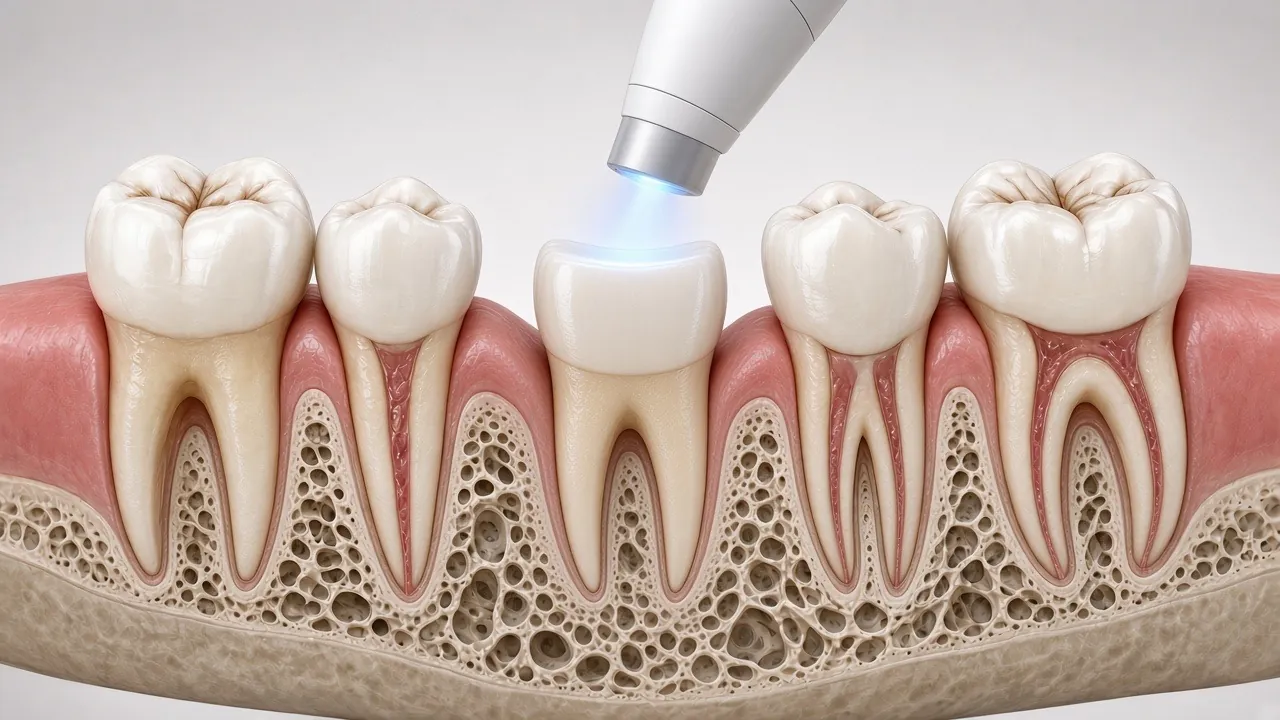
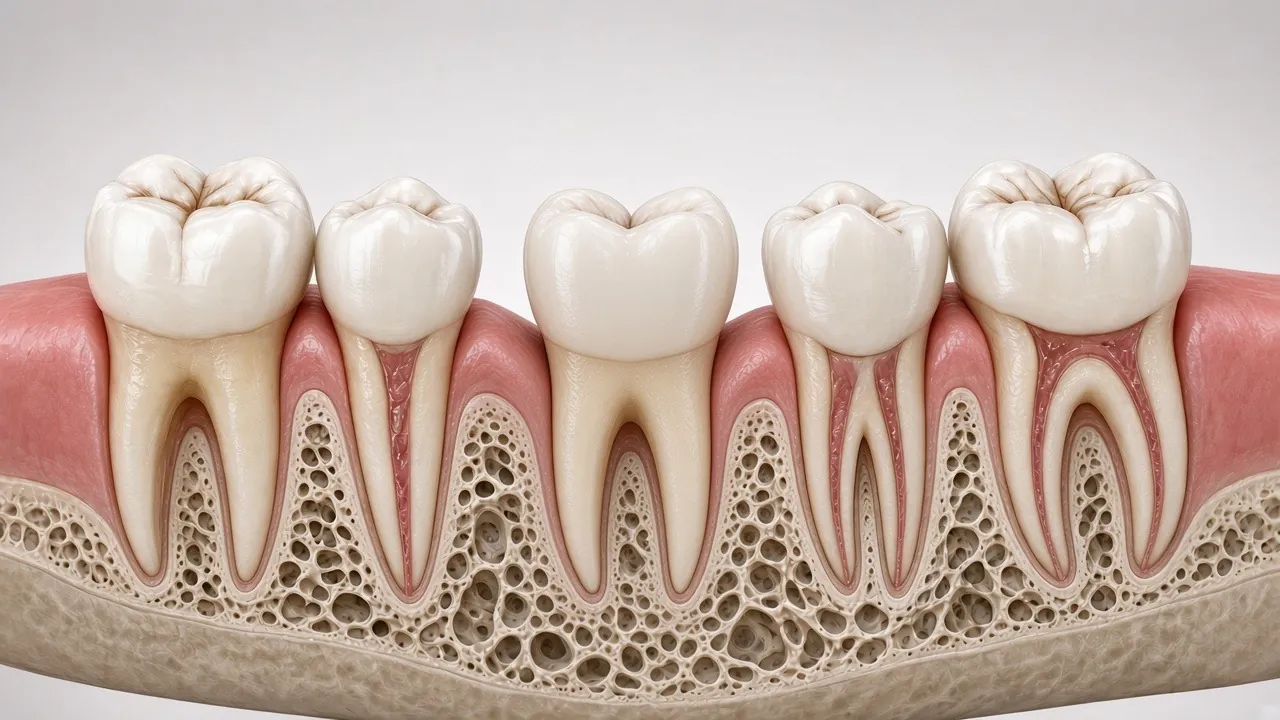
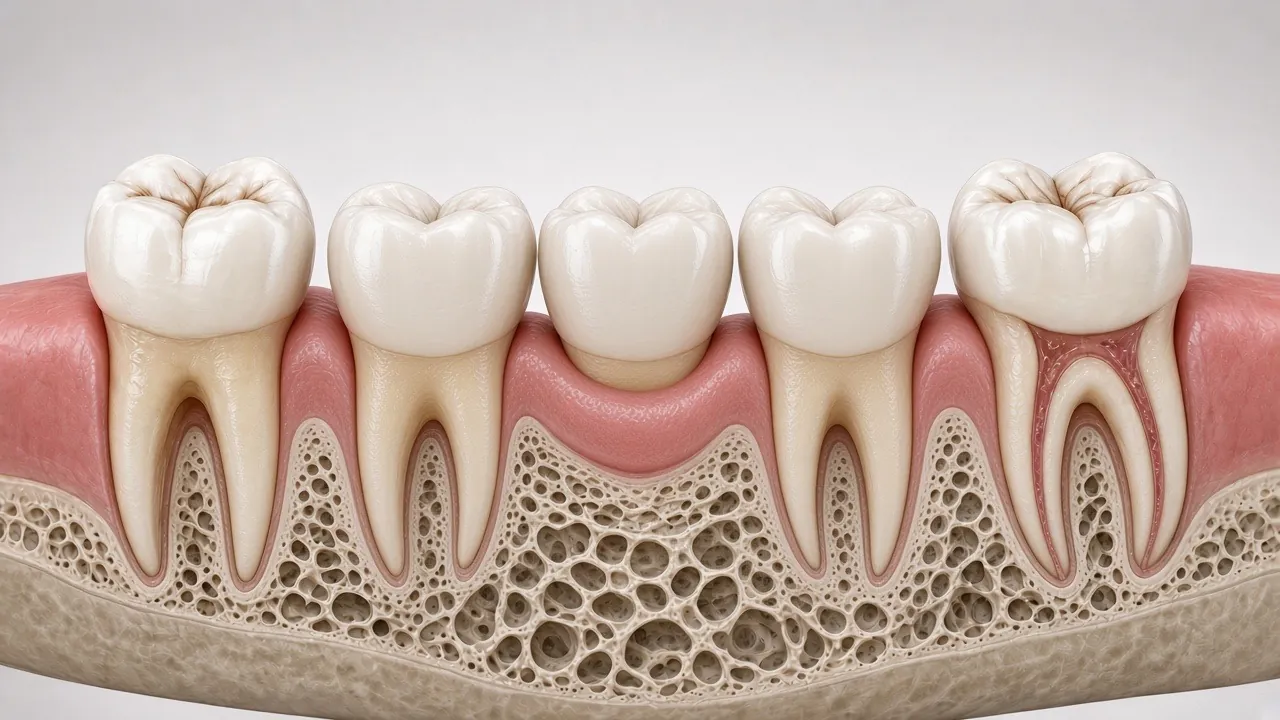
Show transcriptHide transcript (5 steps)
- A tooth with a crack or a large old filling can be weakened.
- The tooth is shaped to make room for a crown.
- A digital scan records the shape of the tooth and your bite.
- The crown is fixed over the tooth, and the bite is checked.
- A bridge can replace a missing tooth, held by crowns on the teeth either side.
Treatment facts
Plain-language answers to common questions. General information only: your dentist will explain your own options, risks and costs after examining you.
Is it right for me?
It may suit you if
- a tooth is cracked, worn or has a very large filling
- a back tooth has had root canal treatment
- you are missing a tooth and the teeth beside it are healthy
- you want to improve the shape or colour of a damaged tooth
Worth knowing first
- Some tooth has to be shaped away to fit a crown, and this can’t be undone.
- A bridge relies on the teeth either side, which are shaped too.
- Gum disease or decay needs to be treated first.
What happens
Check and plan
We examine the tooth, take X-rays and talk through your options and costs.
Shaping the tooth
The tooth is numbed and shaped so the crown can fit over it.
Digital scan
A 3D scan of your teeth is taken instead of messy moulds where possible.
Making the crown
Same-day CEREC crowns are milled here in about an hour. Lab crowns take a week or two, with a temporary in between.
1 or 2 visitsFitting
The crown or bridge is checked for fit, colour and bite, then bonded or cemented in place.
Check-ups
We check it at your regular visits.
Times are typical ranges only. Your dentist will give you your own plan.
Recovery and aftercare
The first few days
- The tooth may be a little sensitive or tender for a few days.
- If you have a temporary crown, avoid sticky and hard food on that side.
- Call us if your bite feels high.
Looking after it long term
- Brush twice a day and clean around the crown and under the bridge with floss threaders or small brushes.
- Wear a night guard if you grind your teeth.
- Keep up regular check-ups and cleans.
When to call us: ring (08) 9330 7115 if you have pain, a sore spot, sensitivity that isn’t settling, or anything else that worries you.
Risks to know about
Every treatment has some risks. Your dentist will talk you through the ones that apply to you.
- Sensitivity for a while after the tooth is shaped.
- Nerve problems in some teeth, which may later need root canal treatment.
- Chipping, wear or loosening over time, which may need repair or replacement.
- Decay or gum problems at the edges of a crown or under a bridge if they are hard to clean.
Ways risk is lowered: careful planning, a good fit, keeping the area clean and regular check-ups.
Other options
Large filling or onlay
May be enough for some teeth, keeping more of your own tooth.
Implant
Replaces a missing tooth without shaping the teeth either side, but needs surgery.
Denture
A removable option to replace one or more teeth.
Cost and paying
What affects the cost
- the number of teeth involved
- the material used
- same-day CEREC or lab-made
- any root canal treatment or build-up first
- X-rays and scans
We can’t give an exact price before we examine you. You’ll get a written, itemised plan and estimate before any treatment starts. Health fund rebates depend on your fund and level of cover.
Paying for a crown or bridge
- Estimate first. For planned treatment you get a written estimate with item numbers before you start.
- Claim on the day. Bring your health fund card. We claim on the spot with Tyro, so you pay only the gap.
- Check your cover. Use the health fund checker to see which item numbers to ask your fund about.
- Ways to pay. EFTPOS and card, including tap and pay. Payment plans are available through Tyro and are tailored to each patient. Ask us about eligibility, terms and any fees before you start. Fees and payments
Sources (checked 21 October 2026)
Common questions
Can I get a crown in one visit?
Often, yes. With CEREC our team can scan, design and mill many ceramic crowns in the practice. Some cases still need a dental laboratory.
What are crowns made from?
Options include porcelain or ceramic, metal alloys, or a combination. The right choice depends on the tooth’s position, how much tooth is left and your preferences.
Bridge or implant?
Both can replace a missing tooth. A bridge involves shaping the neighbouring teeth; an implant doesn’t, but needs surgery. Our comparison tool sets out the differences.
You might also like to read
Information adapted from our main website, myareedental.com. General information only; it isn’t a substitute for advice from your dentist. Fees are confirmed in a written treatment plan after your examination.
Your next step
Request an appointment online, call or text our team.