
Invisalign clear aligners, planned in 3D
Invisalign uses a series of clear, removable aligners, each slightly different, to move teeth gradually. Treatment is planned from a 3D scan of your teeth.
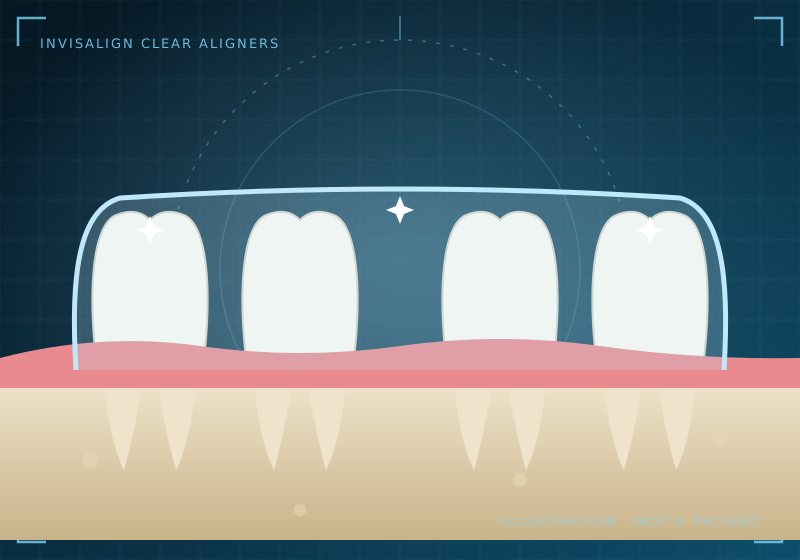
What is Invisalign?
Invisalign straightens teeth with a series of clear, removable plastic aligners. Each one moves your teeth a little, and you change to the next set every week or two.
Aligners only work while you wear them, so they need to be in for most of the day.
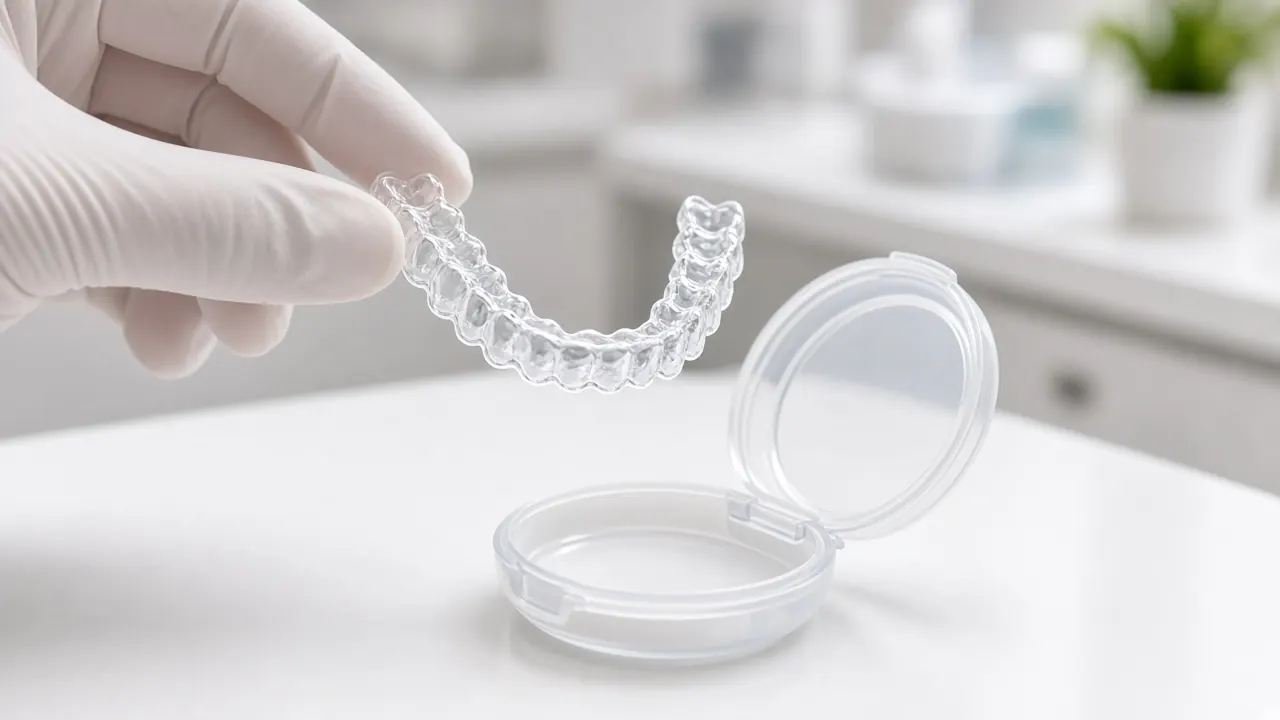
Clear aligners in pictures
Choose a topic, then press play or use the arrows. Captions are on (CC).
Clear aligners. How a series of aligners moves teeth a little at a time.
Step by step Invisalign: how it works
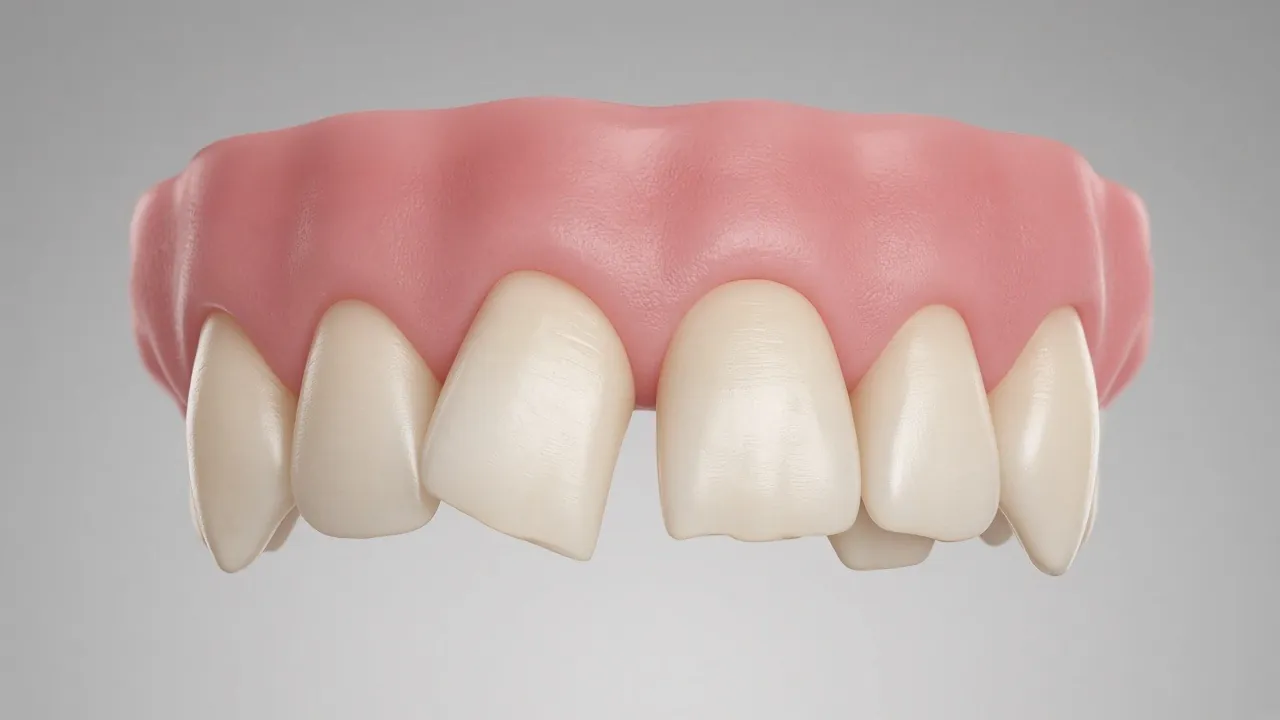
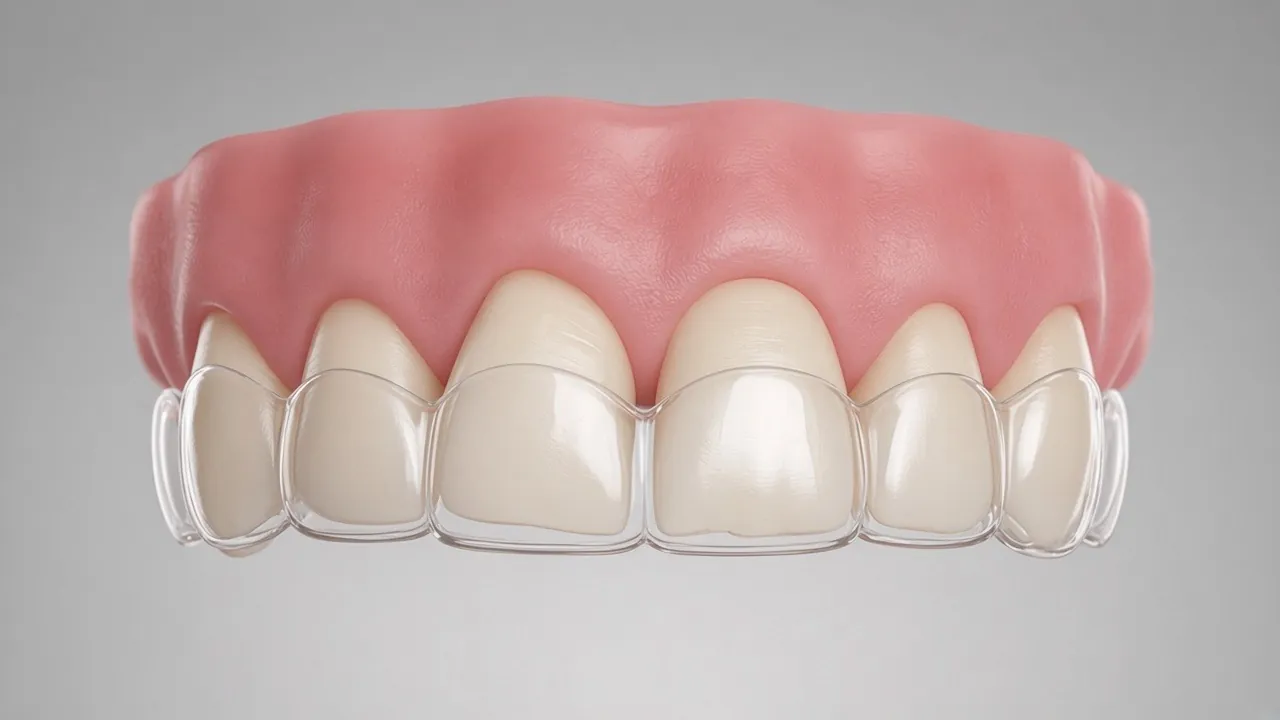
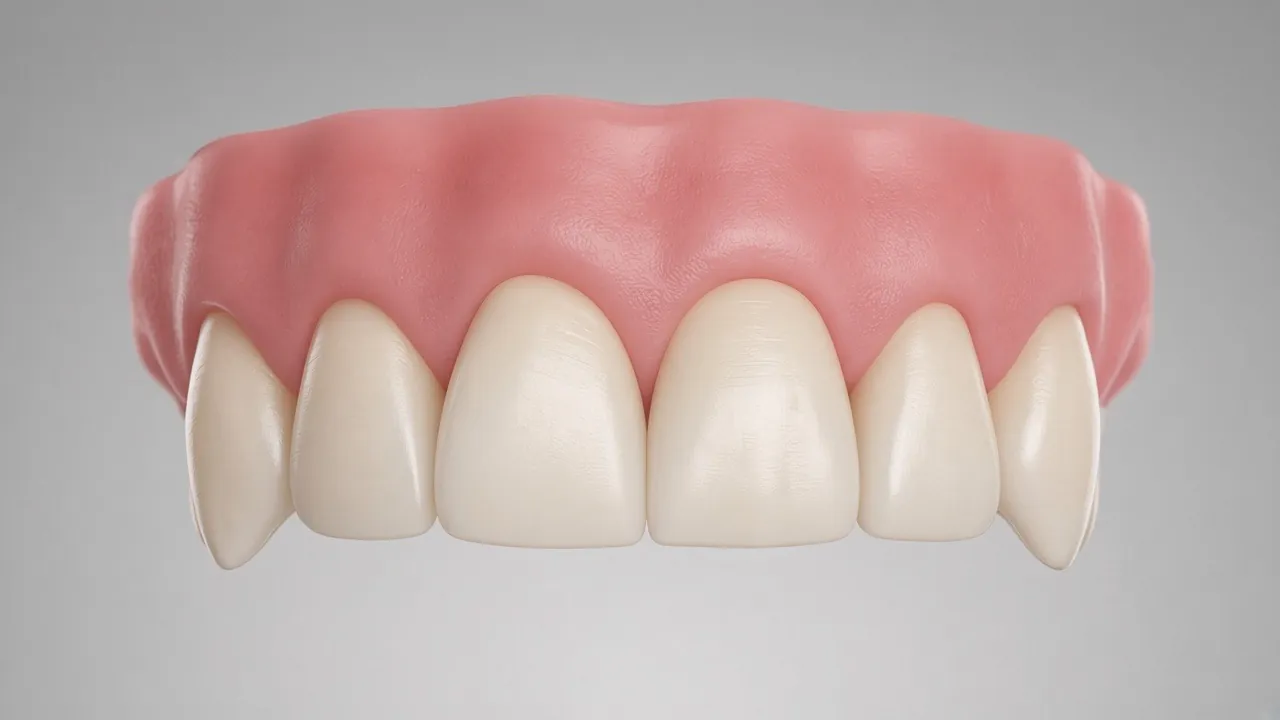
Step 1 Crowded, crooked or gappy teeth.
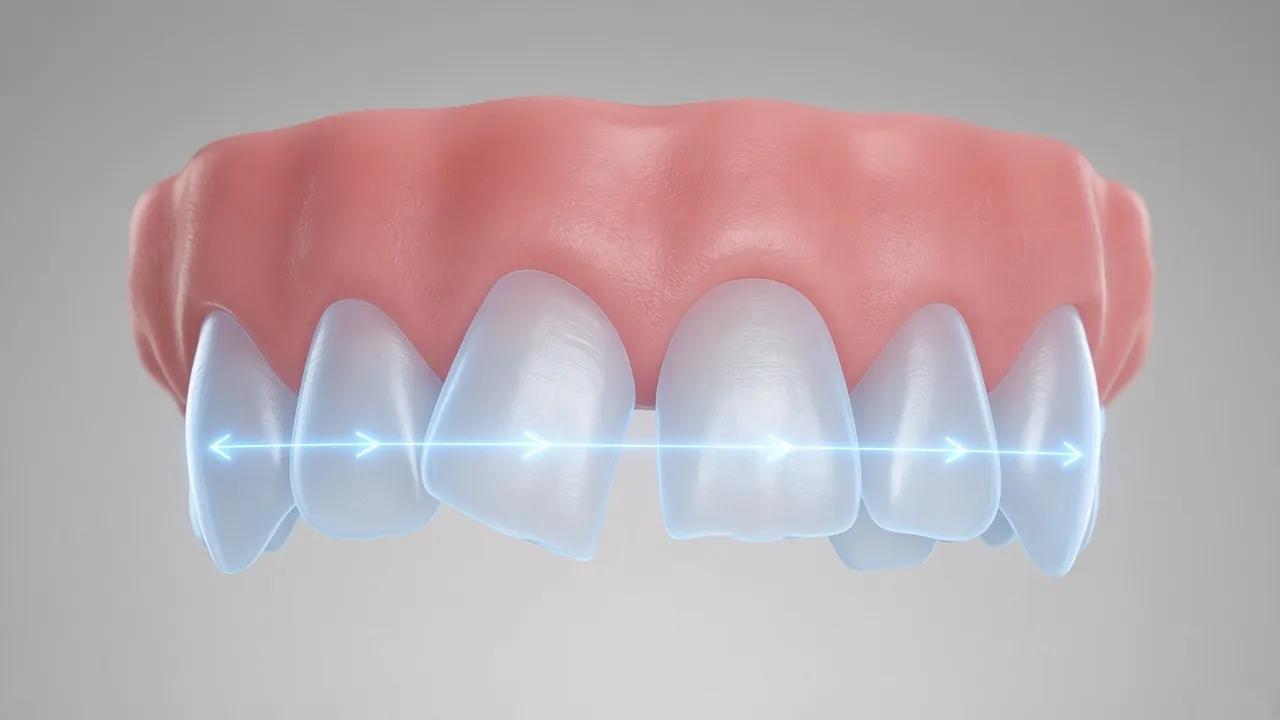
Show transcriptHide transcript (4 steps)
- Crowded, crooked or gappy teeth.
- A 3D scan is used to plan each small tooth movement.
- A series of clear aligners is made. Each set moves the teeth a small amount.
- Each set is worn about 20–22 hours a day, as directed, with regular reviews of progress.
Retainers. Teeth can drift back after treatment, so a retainer is usually part of the plan.
Step by step Retainers: how it works
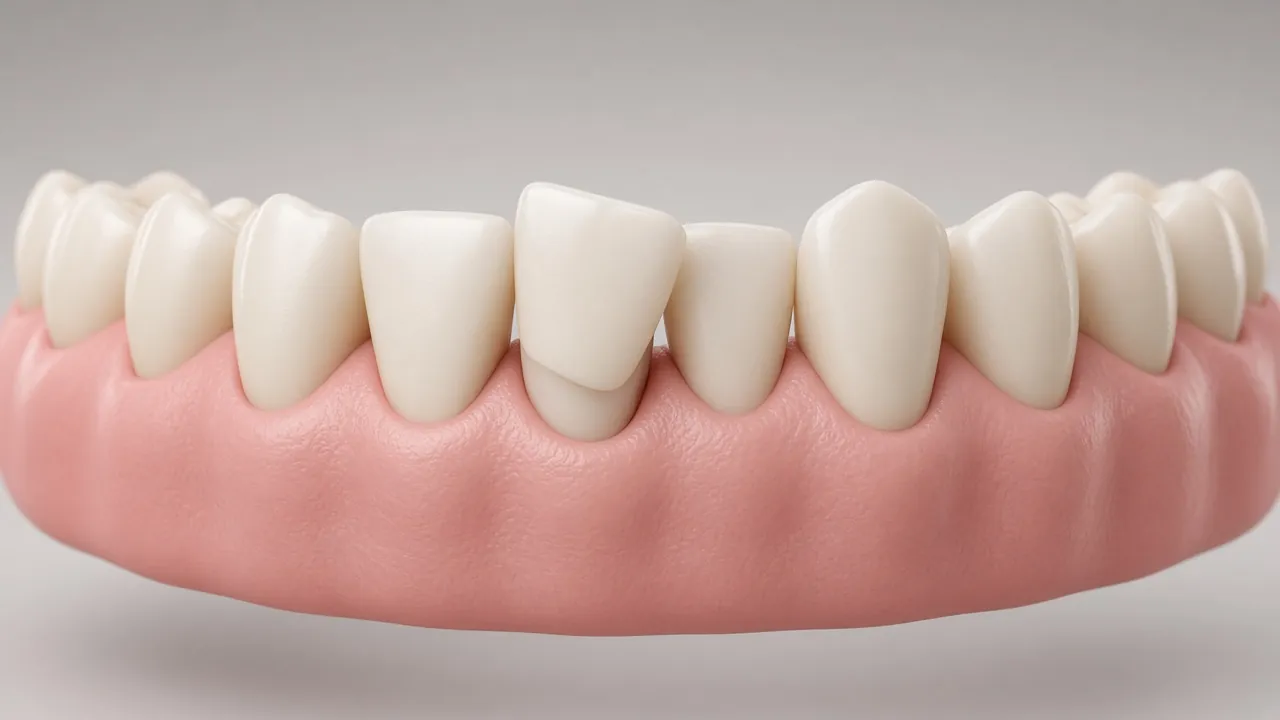
Step 1 After teeth are straightened, they can drift back towards where they were.
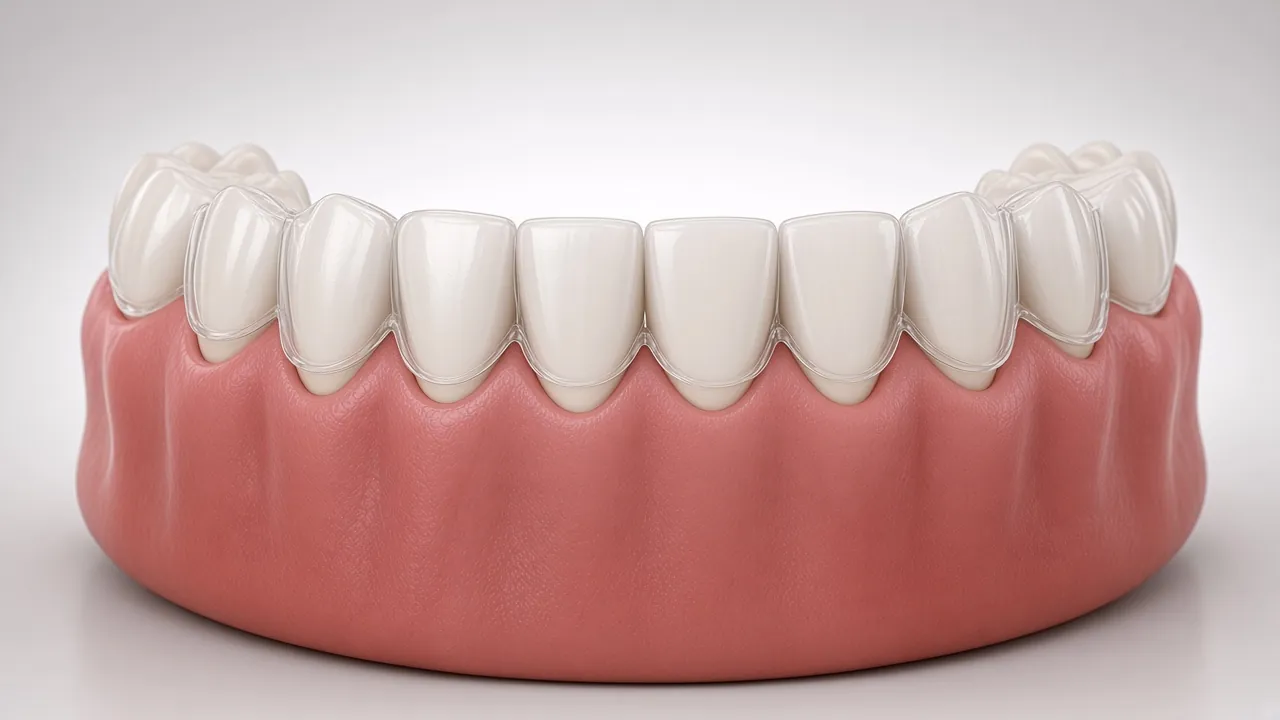
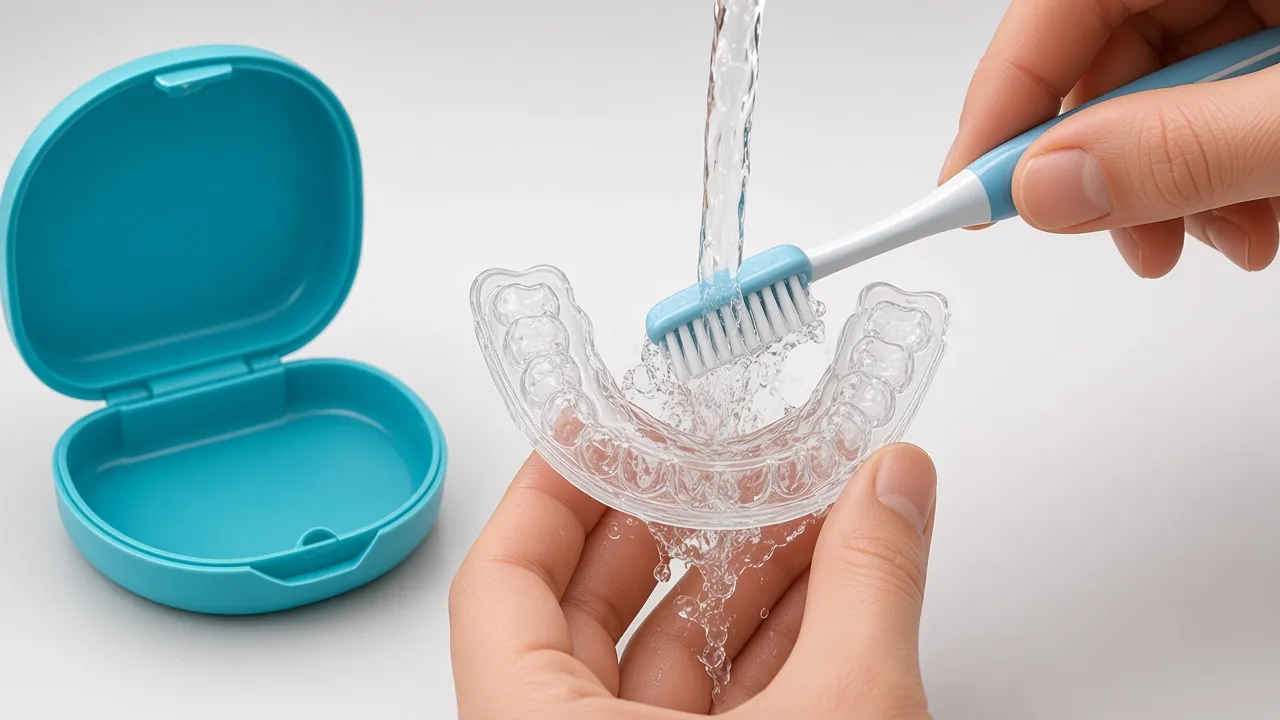
Show transcriptHide transcript (3 steps)
- After teeth are straightened, they can drift back towards where they were.
- A retainer helps hold them in place. Wear it as your dentist directs; many people wear one at night long term.
- Clean it gently with a soft brush and cool water, and keep it in its case when it is out.
Treatment facts
Plain-language answers to common questions. General information only: your dentist will explain your own options, risks and costs after examining you.
Is it right for me?
It may suit you if
- your teeth are crowded, gapped or slightly crooked
- you would prefer aligners you can take out
- you can wear them for 20 to 22 hours a day
- your teeth and gums are healthy
Worth knowing first
- Some complex bites are better treated with braces or by a specialist.
- You need to take aligners out to eat and brush before putting them back.
- Retainers are needed afterwards, often long term.
- Health fund cover often has waiting periods and limits.
What happens
Consultation
We check your teeth, gums and bite, and talk about your goals.
3D scan and plan
A scan is used to plan the tooth movements. A preview shows the planned result, which is a guide, not a promise.
First aligners
Small tooth-coloured bumps (attachments) may be added to help grip.
Changing aligners
You switch to a new set every 1 to 2 weeks.
wear 20–22 hours a dayReviews
We check progress regularly.
often every 6–10 weeksRetainers
When treatment ends, retainers help keep teeth in place.
Times are typical ranges only. Your dentist will give you your own plan.
Recovery and aftercare
Getting started
- Teeth often feel tight or sore for a few days with each new set.
- Your speech may feel different for a day or two.
Looking after it long term
- Take aligners out to eat and drink anything but water.
- Brush before putting them back in, and clean the aligners gently.
- Wear your retainers as advised, or teeth can move back.
When to call us: ring (08) 9330 7115 if you have pain, a sore spot, sensitivity that isn’t settling, or anything else that worries you.
Risks to know about
Every treatment has some risks. Your dentist will talk you through the ones that apply to you.
- Tooth soreness with each new aligner.
- Decay or gum problems if teeth and aligners aren’t kept clean.
- Root shortening (root resorption) is possible with any tooth movement.
- Results depend on wear, and teeth can move back without retainers.
Ways risk is lowered: a full check first, wearing aligners as advised, good cleaning and regular reviews.
Other options
Fixed braces
Can suit more complex bites.
Veneers or bonding
Can improve the look of mildly uneven teeth without moving them.
No treatment
Straightening is usually optional.
Cost and paying
What affects the cost
- how complex the tooth movements are
- how long treatment takes
- retainers
- any other treatment first
We can’t give an exact price before we examine you. You’ll get a written, itemised plan and estimate before any treatment starts. Health fund rebates depend on your fund and level of cover.
Paying for Invisalign
- Estimate first. For planned treatment you get a written estimate with item numbers before you start.
- Claim on the day. Bring your health fund card. We claim on the spot with Tyro, so you pay only the gap.
- Check your cover. Use the health fund checker to see which item numbers to ask your fund about.
- Ways to pay. EFTPOS and card, including tap and pay. Payment plans are available through Tyro and are tailored to each patient. Ask us about eligibility, terms and any fees before you start. Fees and payments
Common questions
How long does treatment take?
It depends on how much your teeth need to move: from several months to a year or more. Your dentist will give you an estimate after your consultation.
How many hours do I wear them?
About 20 to 22 hours a day. You take them out to eat, drink anything other than water, brush and floss.
Do I need a retainer afterwards?
Yes. Teeth can drift back, so a retainer is usually recommended to help hold their new position.
You might also like to read
Information adapted from our main website, myareedental.com. General information only; it isn’t a substitute for advice from your dentist. Fees are confirmed in a written treatment plan after your examination.
Your next step
Request an appointment online, call or text our team.