
Check-ups and cleans, the foundation of healthy teeth
A check-up looks at your teeth, gums and mouth. A professional clean removes the plaque and hardened tartar (calculus) that brushing alone can’t shift.
What happens at a check-up and clean?
A regular check-up looks at your teeth, gums, bite and the soft tissues of your mouth. A clean removes hardened plaque (tartar) that brushing can’t shift. Finding problems early usually means simpler treatment.
Check-ups in pictures
Choose a topic, then press play or use the arrows. Captions are on (CC).
Check-up and clean. What happens at a routine visit, from the exam to the polish.
Step by step Teeth cleaning & exams: how it works
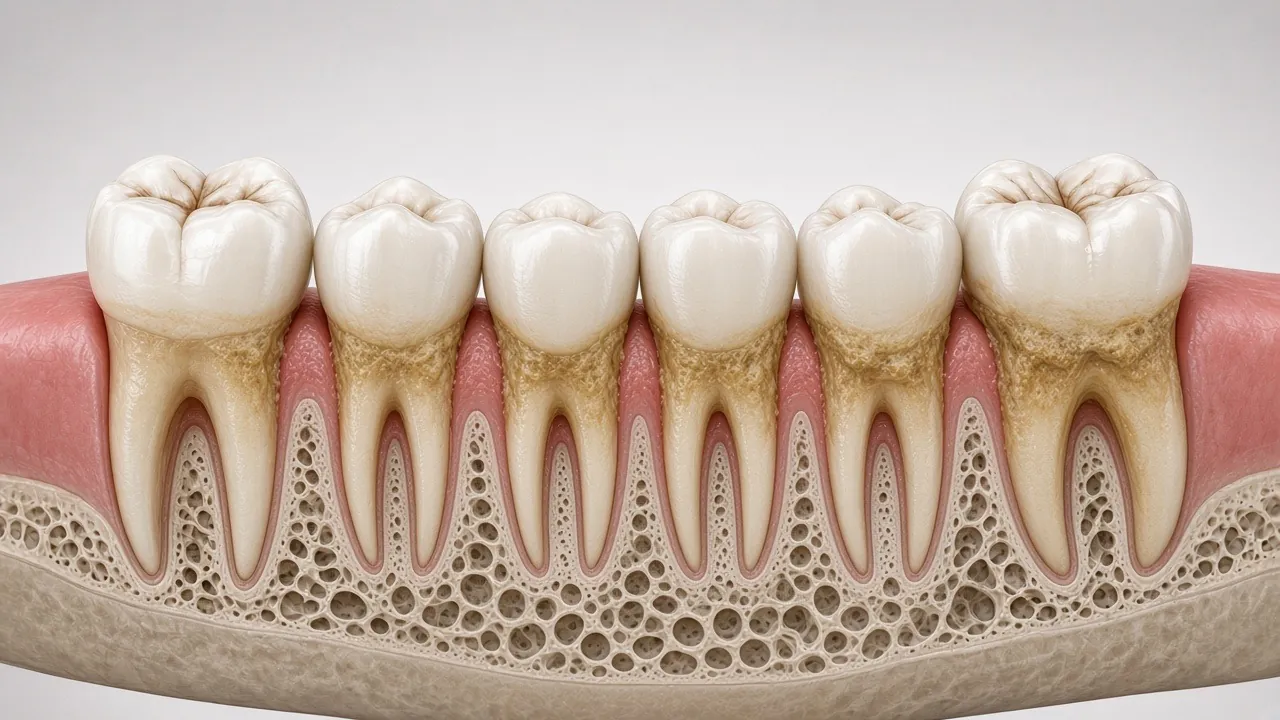
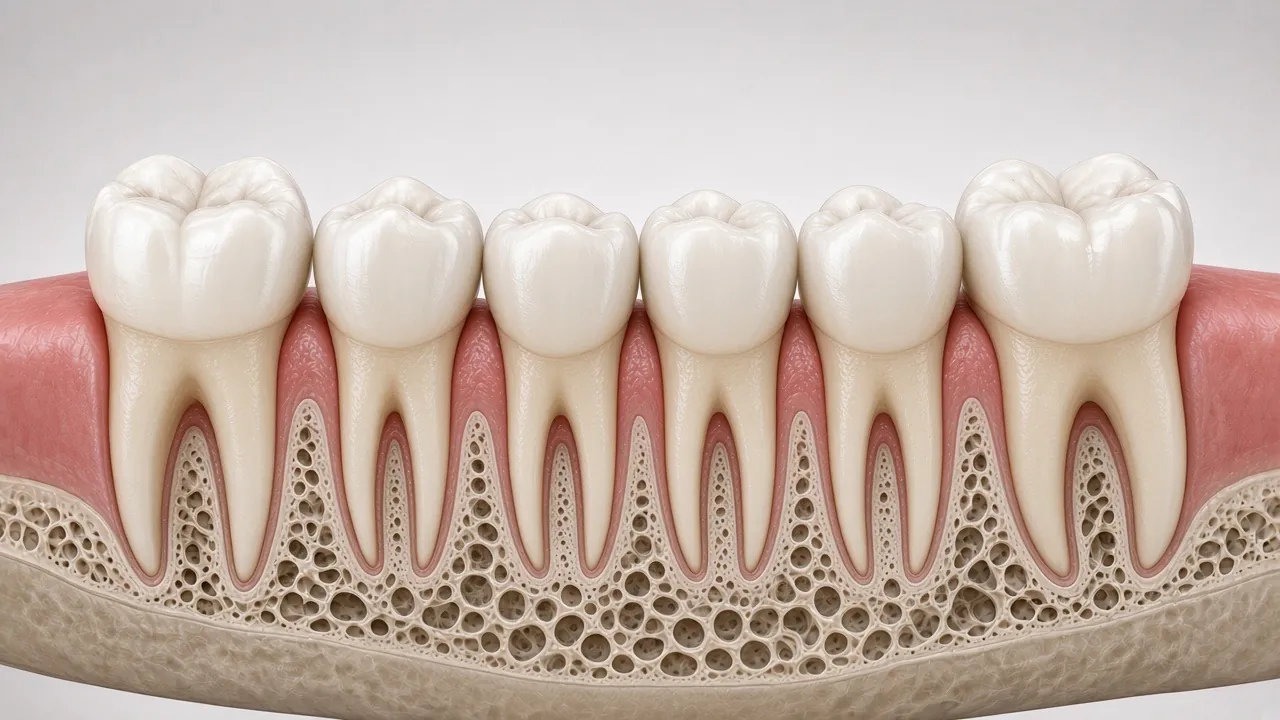
Step 1 Hardened tartar builds up along the gum line, where brushing alone can’t remove it.
Show transcriptHide transcript (4 steps)
- Hardened tartar builds up along the gum line, where brushing alone can’t remove it.
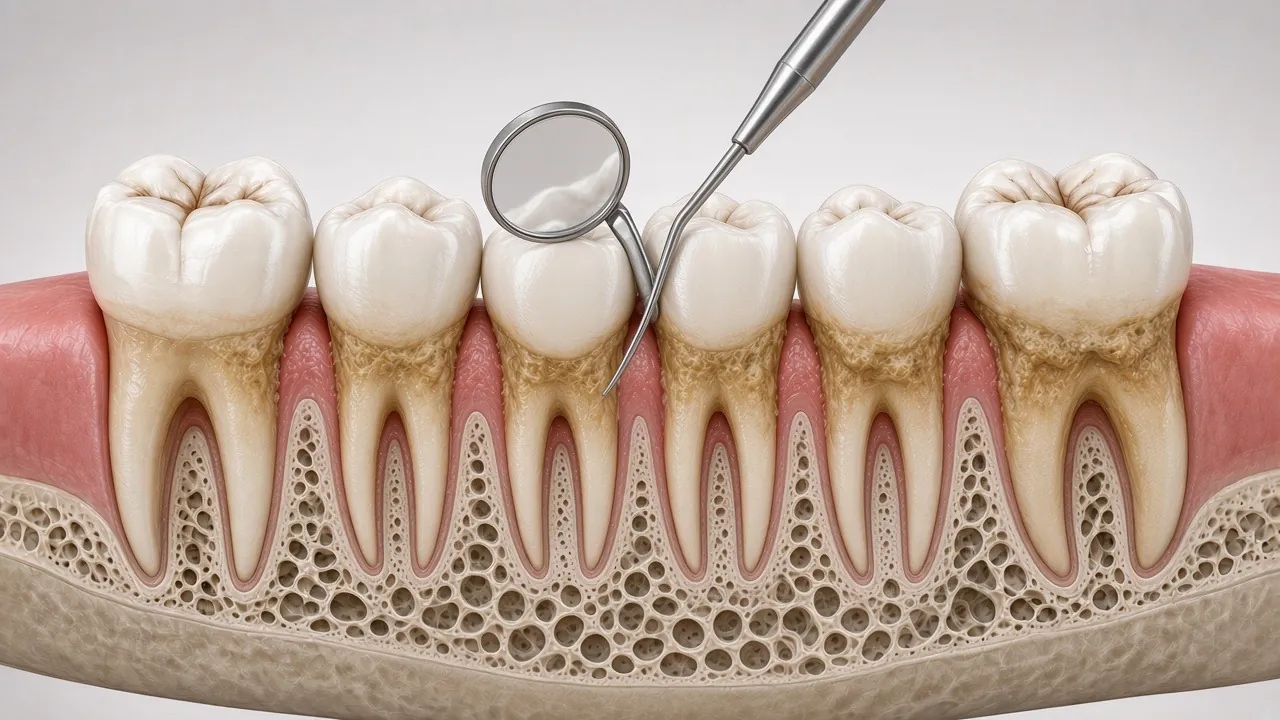
- Your teeth and gums are checked, and X-rays are taken if needed.
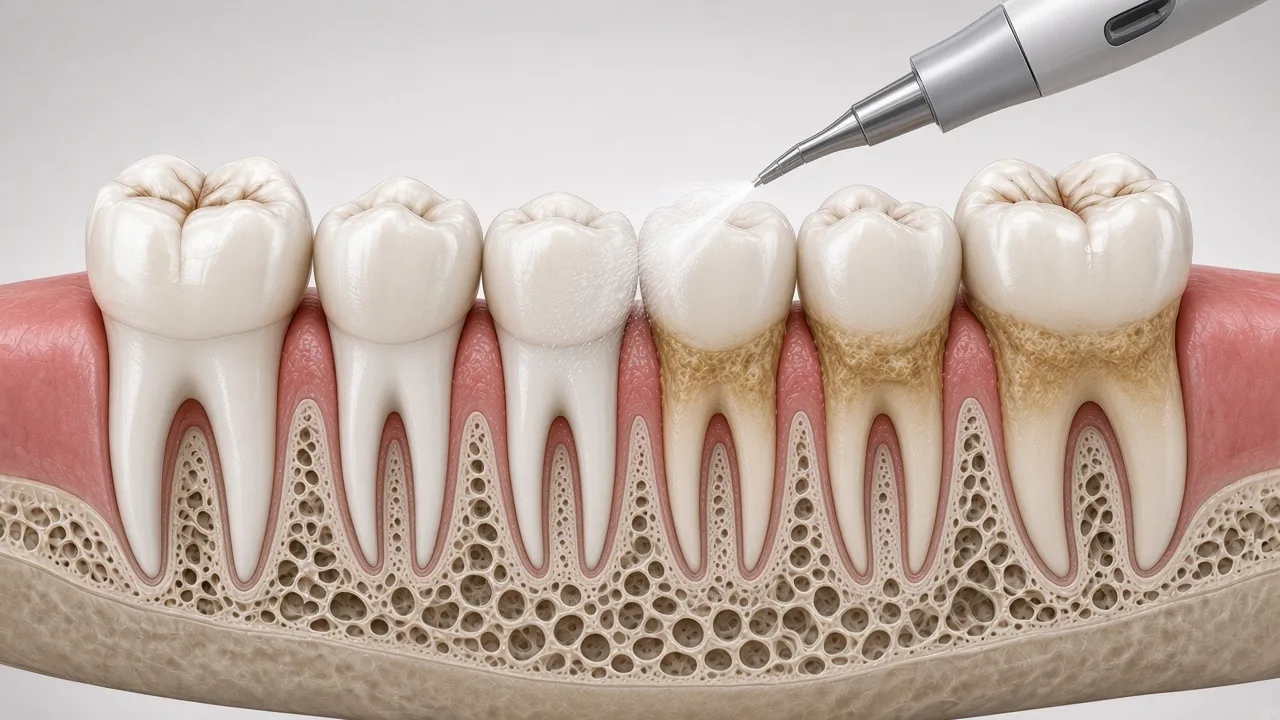
- Scaling removes the tartar, including just below the gum line.
- Polishing removes surface stains, leaving the teeth smooth and clean.
Mouth cancer check. A careful look at your tongue, cheeks, gums and lips is part of your check-up.
Step by step Mouth cancer check: how it works
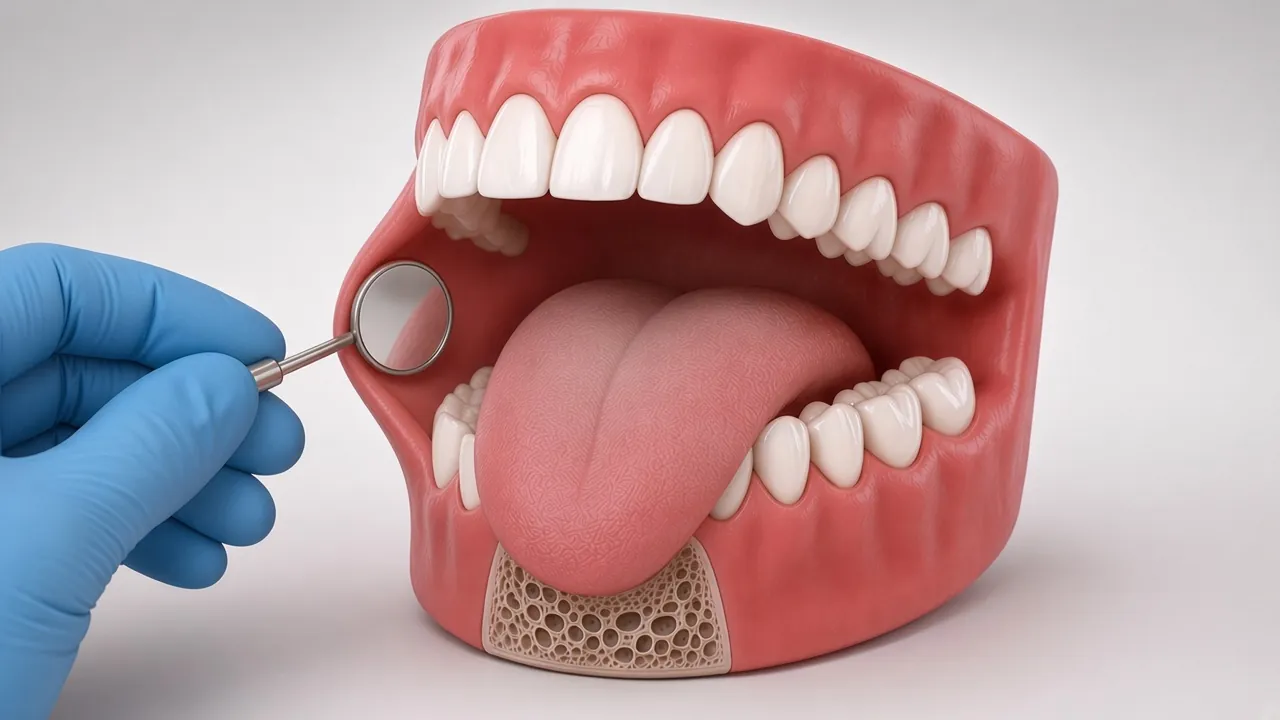
Step 1 At a check-up, your dentist also looks at your lips, cheeks, tongue, gums and the floor and roof of your mouth.
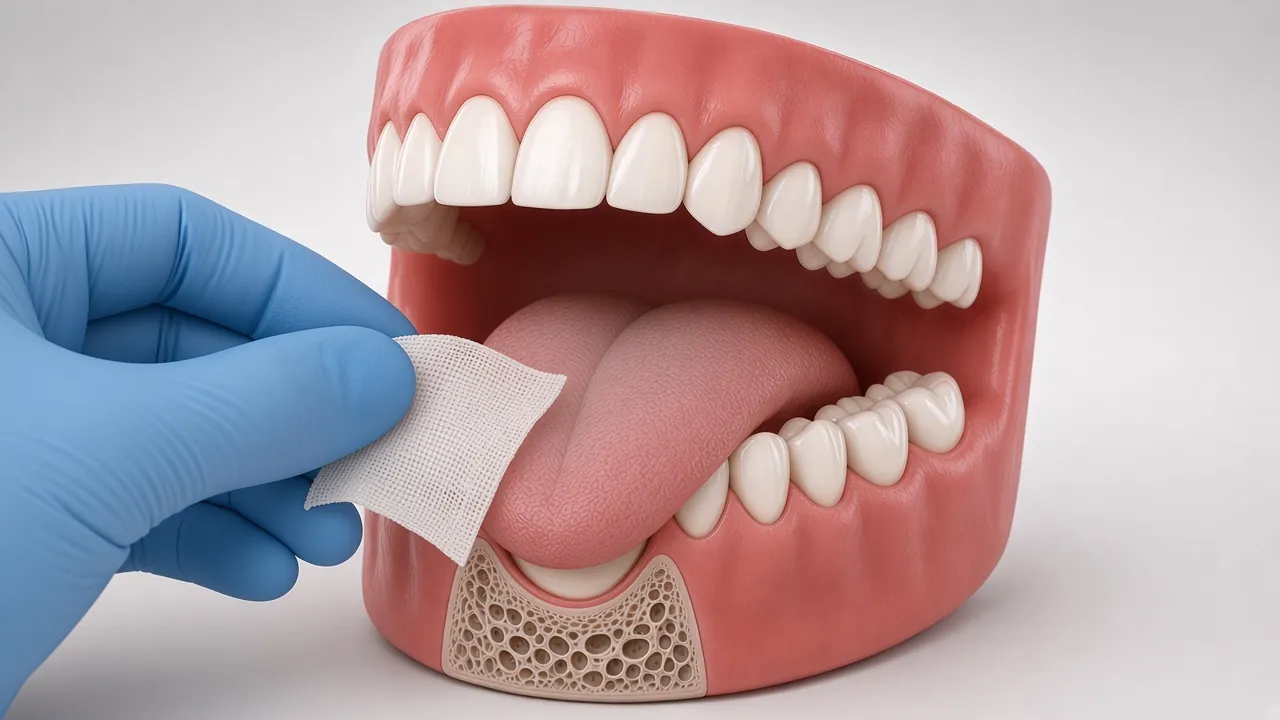
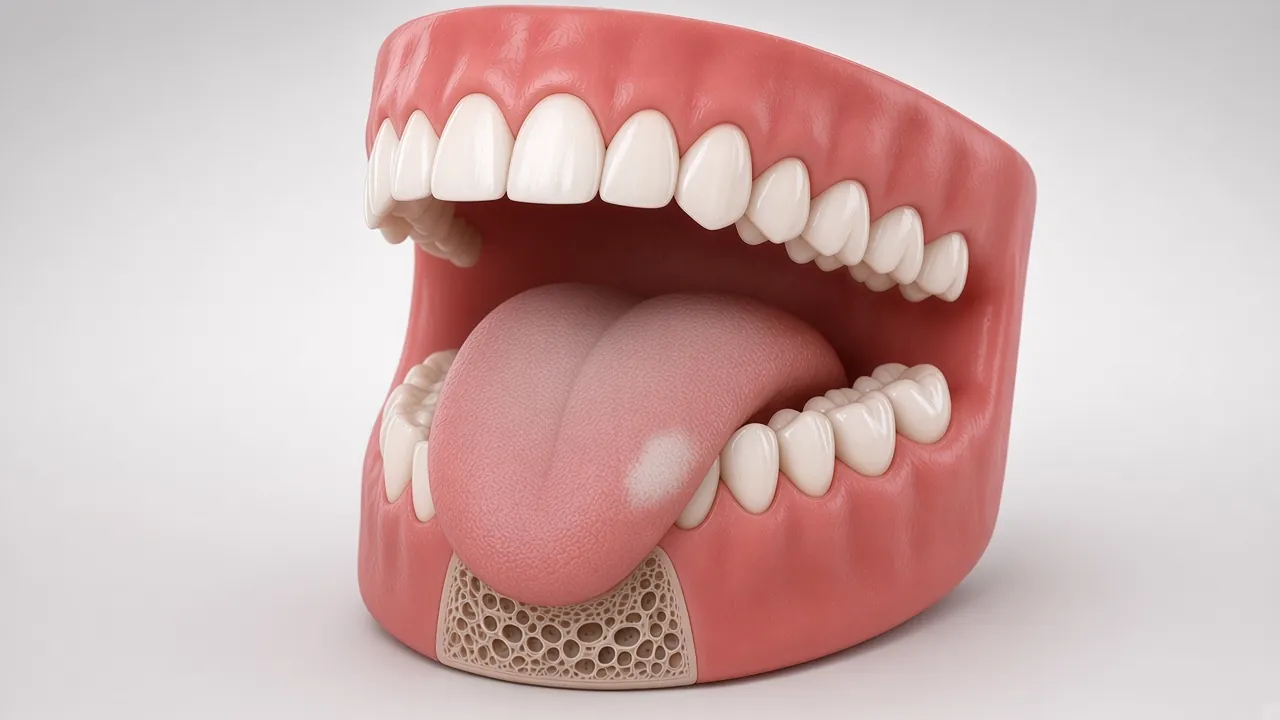
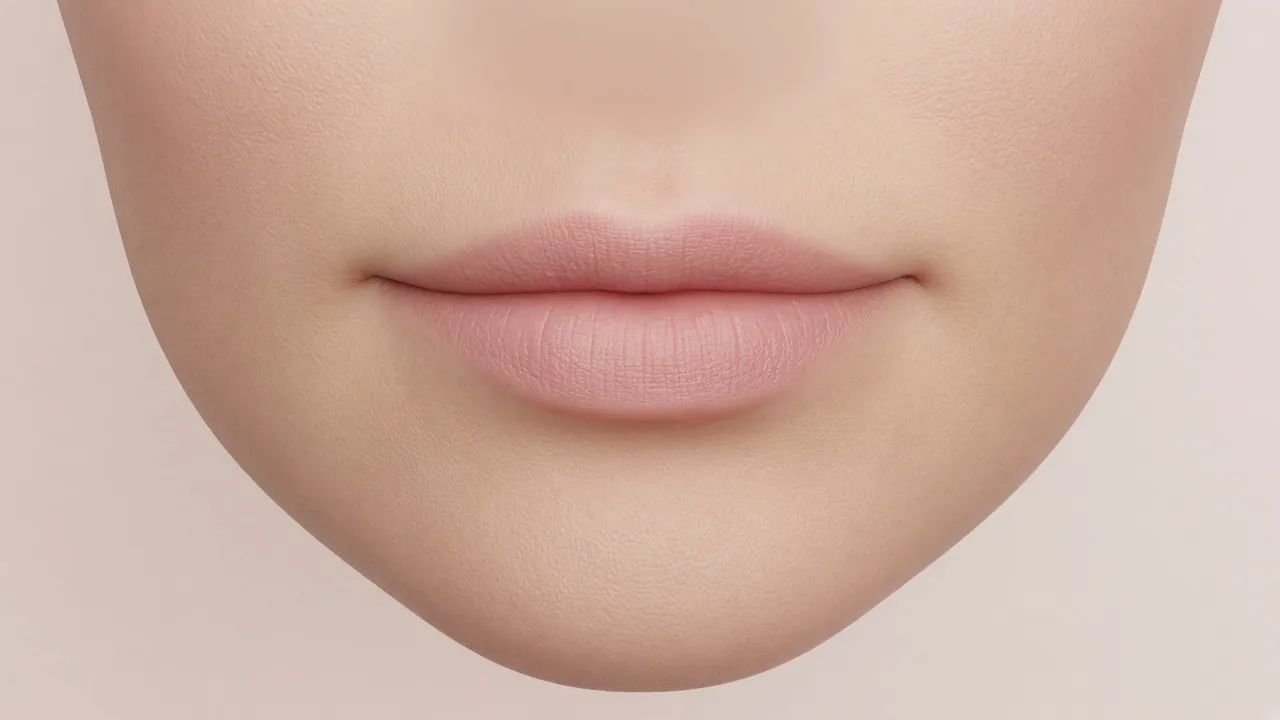
Show transcriptHide transcript (4 steps)
- At a check-up, your dentist also looks at your lips, cheeks, tongue, gums and the floor and roof of your mouth.
- The sides and underside of the tongue are checked, and the neck and jaw may be felt for lumps.
- See your dentist or doctor about any ulcer, lump, or red or white patch that hasn’t healed within two weeks.
- Not smoking and limiting alcohol and sun on the lips lowers the risk. Regular check-ups help find changes early.
Treatment facts
Plain-language answers to common questions. General information only: your dentist will explain your own options, risks and costs after examining you.
Is it right for me?
A check-up is a good idea if
- it has been 6 to 12 months since your last visit
- your gums bleed when you brush
- you notice bad breath, sensitivity or a change in your mouth
- you are pregnant, have diabetes or take medicines that cause a dry mouth
Worth knowing first
- Tell us about your health and medicines, as they can affect your teeth and gums.
- If you get anxious, let us know so we can go at your pace.
- Some people need visits more often, for example with gum disease.
What happens
Health and history
We ask about your health, medicines and any concerns.
Exam
Your dentist checks your teeth, gums, bite and soft tissues, including for signs of mouth cancer.
X-rays if needed
X-rays are only taken when they are needed to check between and under teeth.
Scale and clean
Tartar is removed from above and just below the gum line.
Polish and advice
Teeth are polished and you get advice on brushing and cleaning between teeth.
often 30–60 minutesNext visit
Most people return every 6 to 12 months. We’ll suggest what suits you.
Times are typical ranges only. Your dentist will give you your own plan.
Recovery and aftercare
The first few days
- Your gums may feel a little tender or bleed slightly for a day or so.
- Some people notice mild sensitivity, which usually settles quickly.
Between visits
- Brush twice a day with fluoride toothpaste.
- Clean between your teeth once a day with floss or small brushes.
- Limit sugary snacks and drinks, and don’t smoke.
When to call us: ring (08) 9330 7115 if you have pain, a sore spot, sensitivity that isn’t settling, or anything else that worries you.
Risks to know about
A check-up and clean is low risk. A few things to know:
- Tender gums or brief sensitivity after the clean.
- X-rays use a very small dose of radiation. We only take them when needed. Tell us if you might be pregnant.
- Problems can still develop between visits, so tell us about any changes.
Other options
Deep cleaning
If gum disease is found, a more thorough clean below the gums may be suggested.
More frequent visits
Some people benefit from a clean every 3 to 4 months.
Cost and paying
What affects the cost
- whether X-rays are needed
- how much tartar there is
- fluoride or other preventive treatment
- any extra visits
We can’t give an exact price before we examine you. You’ll get a written, itemised plan and estimate before any treatment starts. Health fund rebates depend on your fund and level of cover.
Paying for a check-up and clean
- Estimate first. For planned treatment you get a written estimate with item numbers before you start.
- Claim on the day. Bring your health fund card. We claim on the spot with Tyro, so you pay only the gap.
- Check your cover. Use the health fund checker to see which item numbers to ask your fund about.
- Ways to pay. EFTPOS and card, including tap and pay. Payment plans are available through Tyro and are tailored to each patient. Ask us about eligibility, terms and any fees before you start. Fees and payments
Sources (checked 21 October 2026)
Common questions
How often should I have a check-up and clean?
Many people come every 6 to 12 months. Your dentist may suggest a different interval based on your gums, decay risk and general health.
Will the clean hurt?
Most people find it comfortable. If your gums are tender or your teeth are sensitive, tell us and we can go gently, use numbing gel or spread treatment over visits.
Do I need X-rays every time?
No. X-rays are only taken when your dentist needs them to check between teeth, below the gum line or around existing work.
You might also like to read
Information adapted from our main website, myareedental.com. General information only; it isn’t a substitute for advice from your dentist. Fees are confirmed in a written treatment plan after your examination.
Your next step
Request an appointment online, call or text our team.