
Night guards to protect your teeth while you sleep
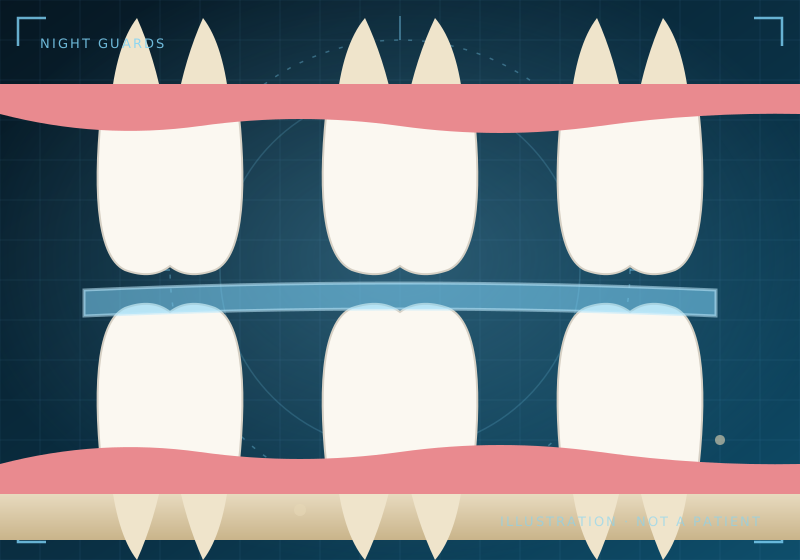
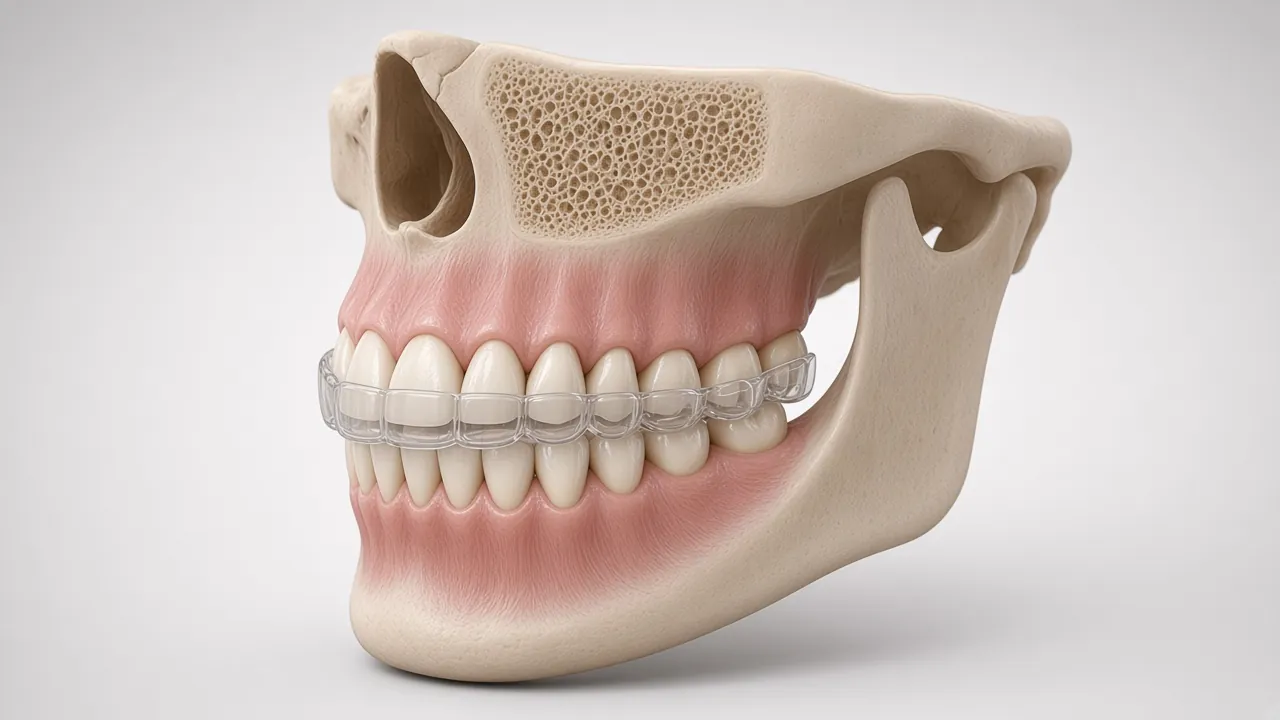
A night guard (occlusal splint) is a custom-fitted plastic guard worn over your teeth, usually at night, to cushion the force of grinding and clenching.
What is a night guard?
A night guard is a custom-made plastic guard worn over your teeth while you sleep. It protects them from damage if you grind or clench, and may help ease jaw strain.
We also make custom sports mouthguards.
Night guards in pictures
Choose a topic, then press play or use the arrows. Captions are on (CC).
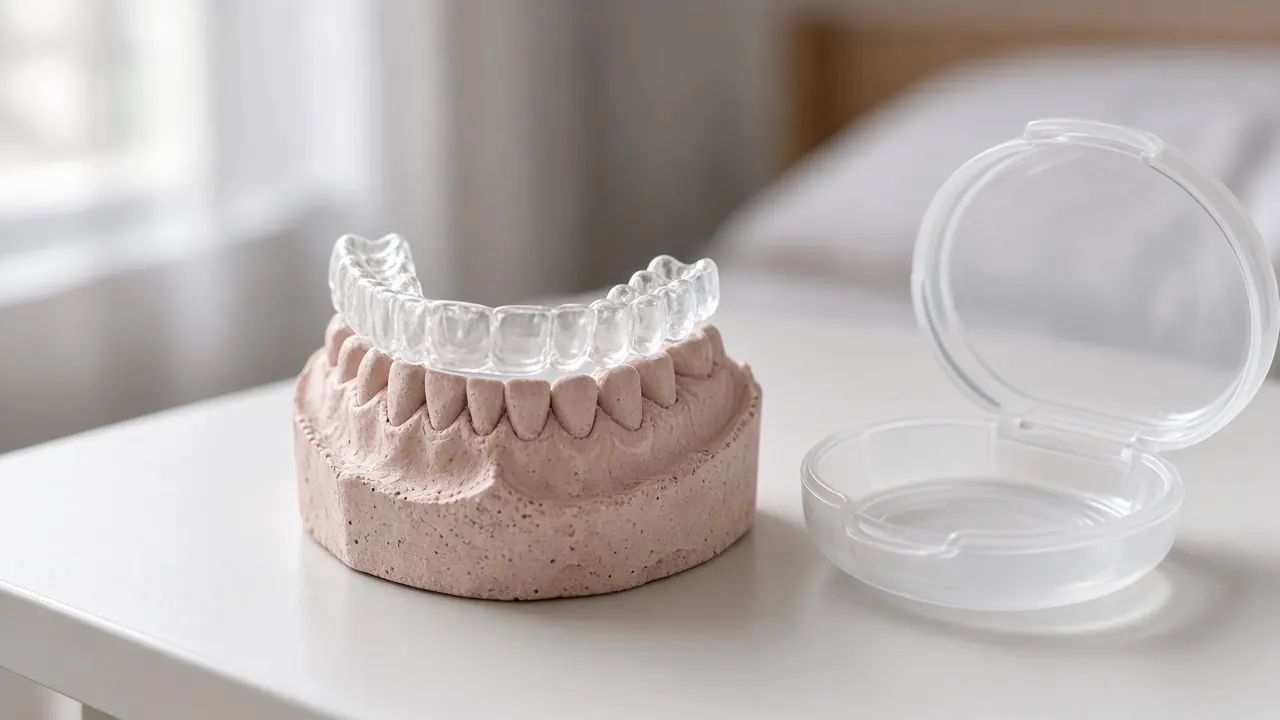
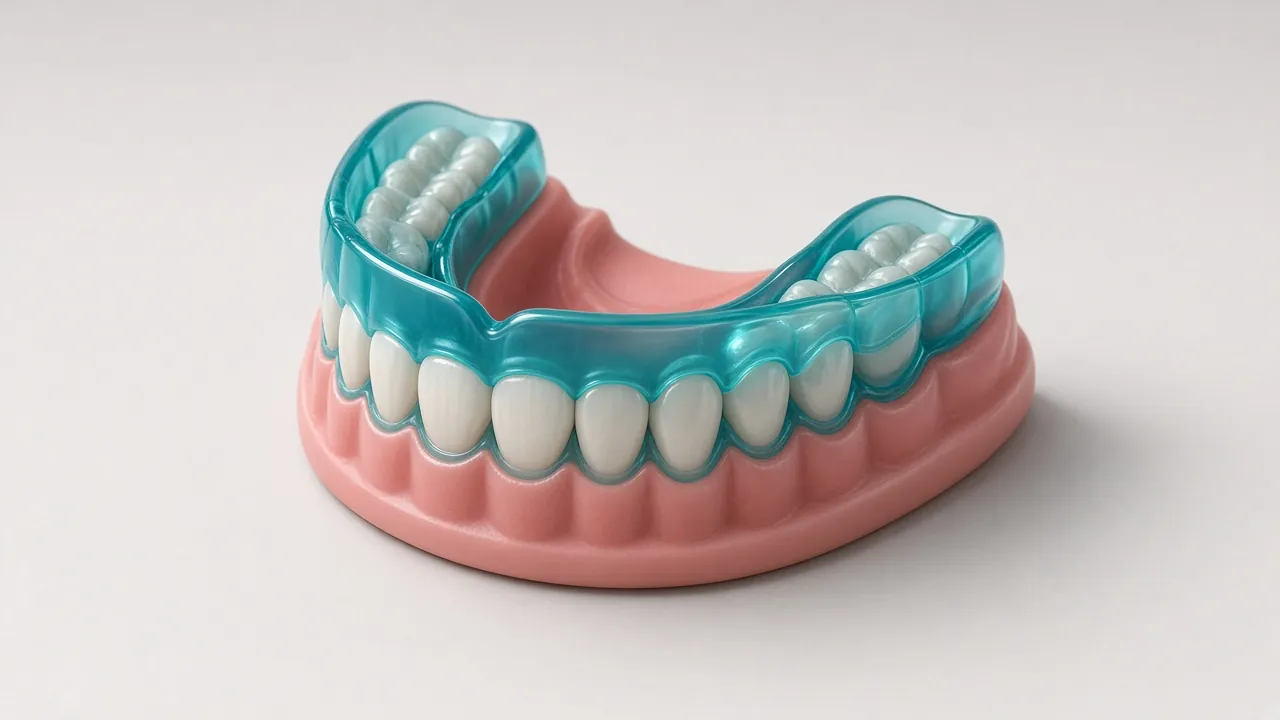
A custom night guard. How a guard is made from a scan of your teeth and fitted.
Step by step Night guards: how it works
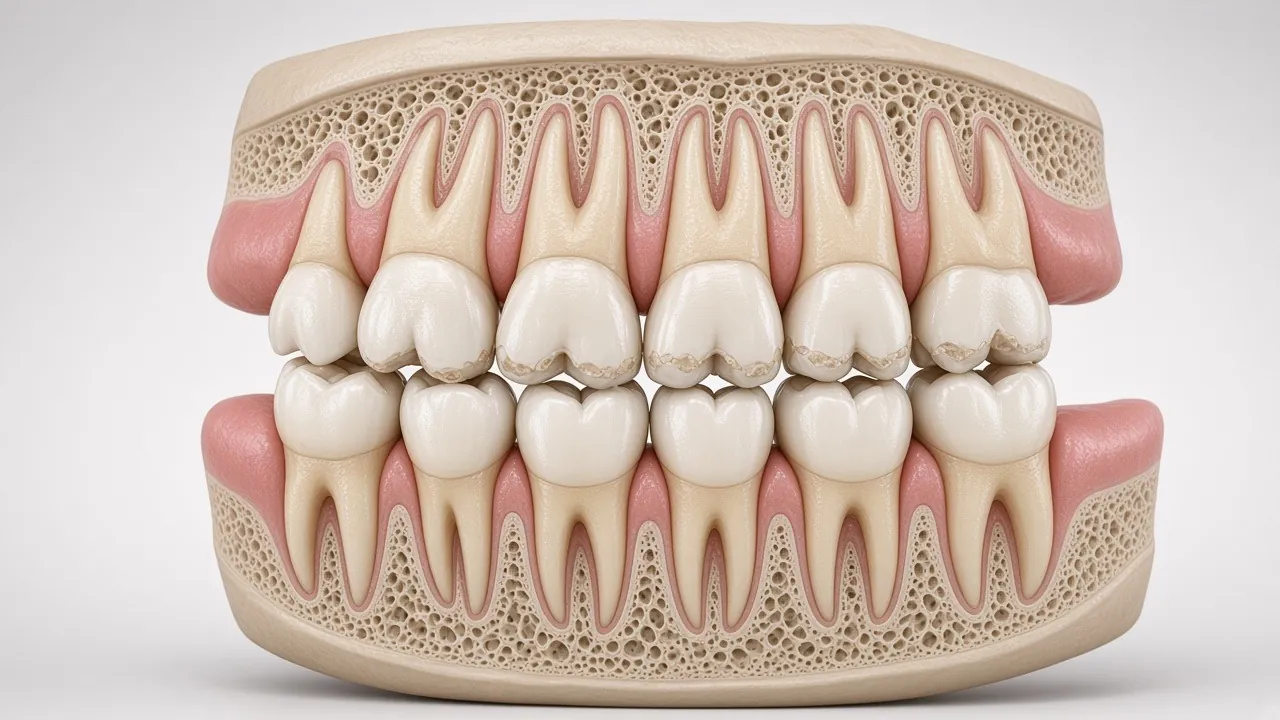
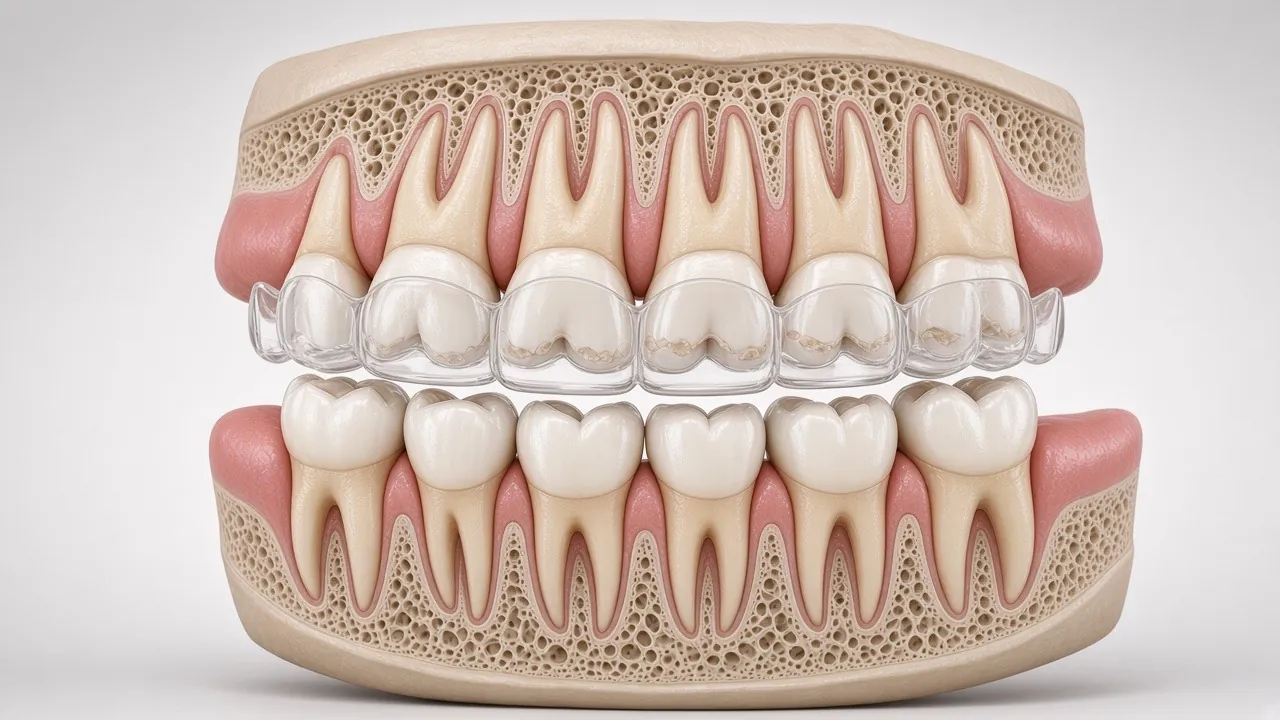
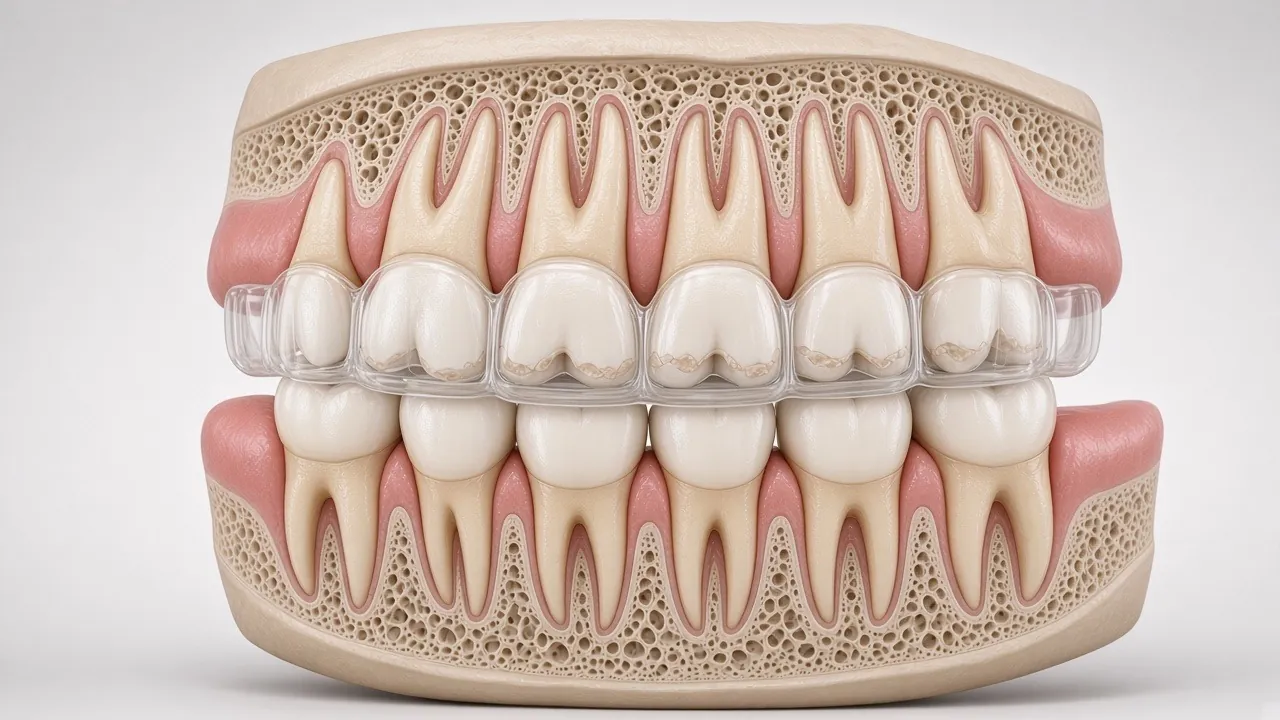
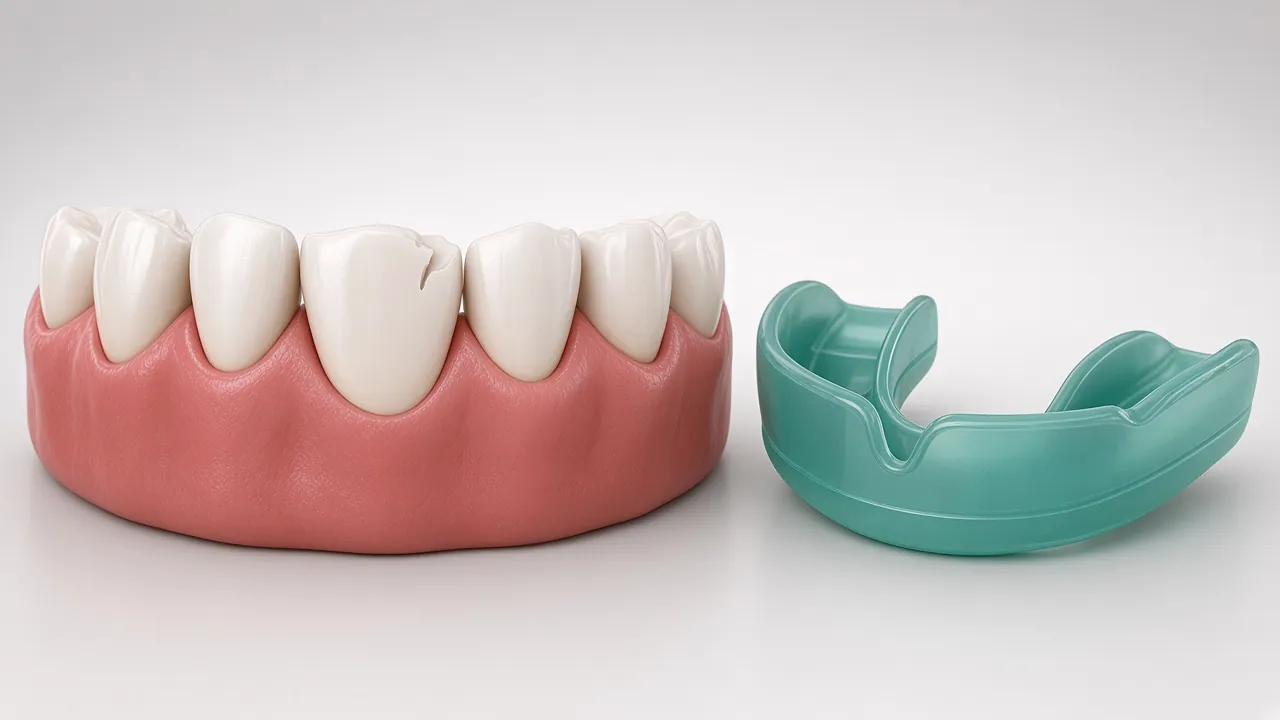
Step 1 Grinding or clenching can wear down the biting surfaces of the teeth.
Show transcriptHide transcript (4 steps)
- Grinding or clenching can wear down the biting surfaces of the teeth.
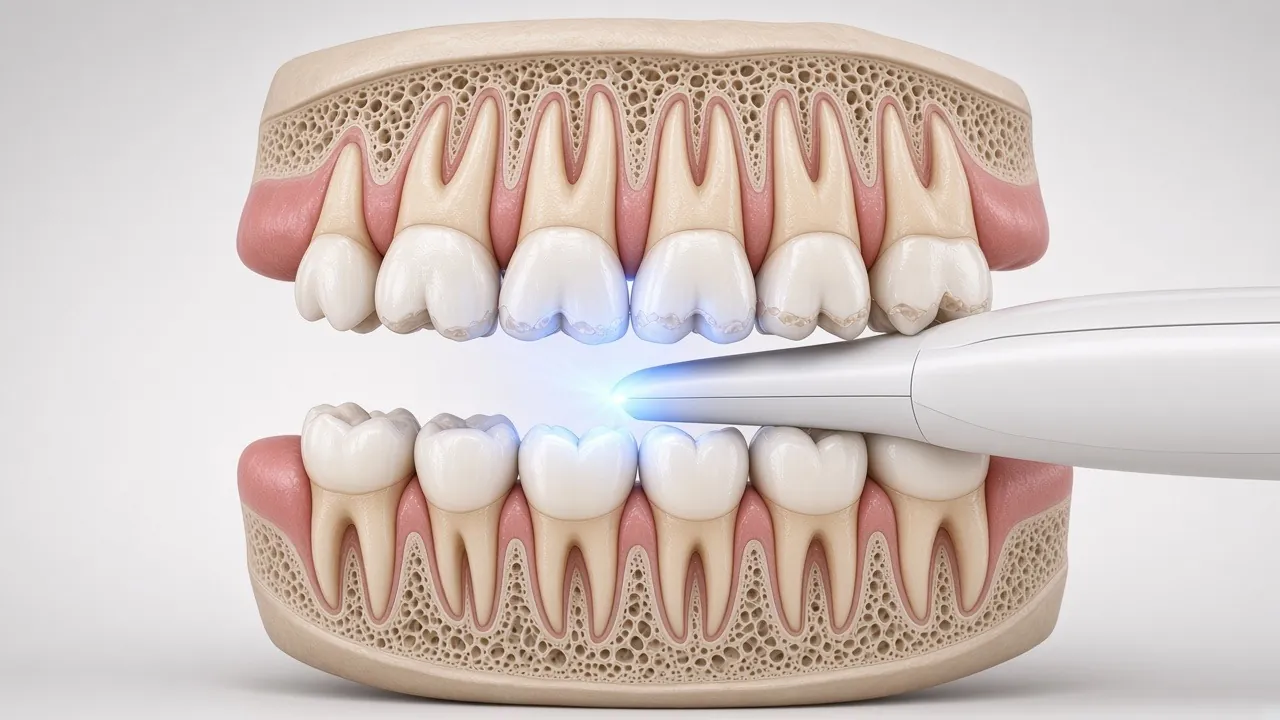
- A scan or impression records your teeth and bite.
- A custom guard is made from durable plastic to fit over your teeth.
- You wear the guard while you sleep. It helps cushion the forces of grinding and clenching.
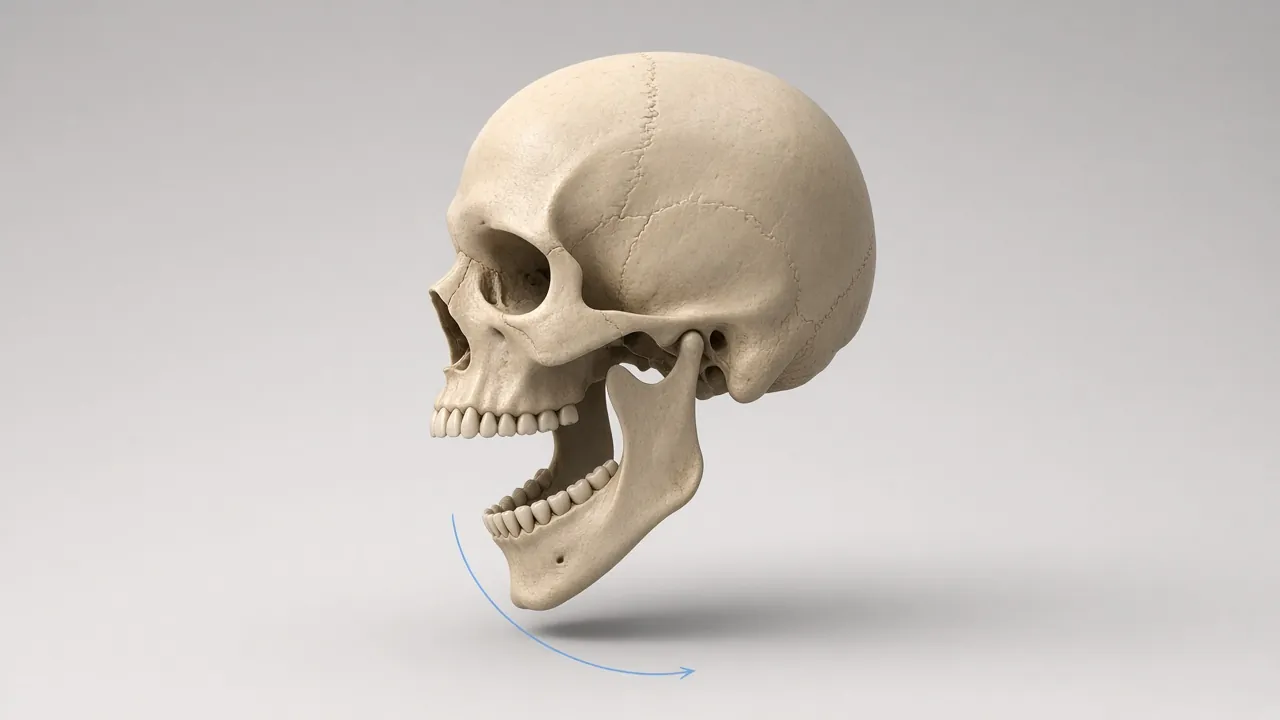
Jaw pain and clenching. Grinding or clenching can make the jaw muscles and joints sore. Your dentist can check your bite and jaw.
Step by step Jaw pain and clenching: how it works
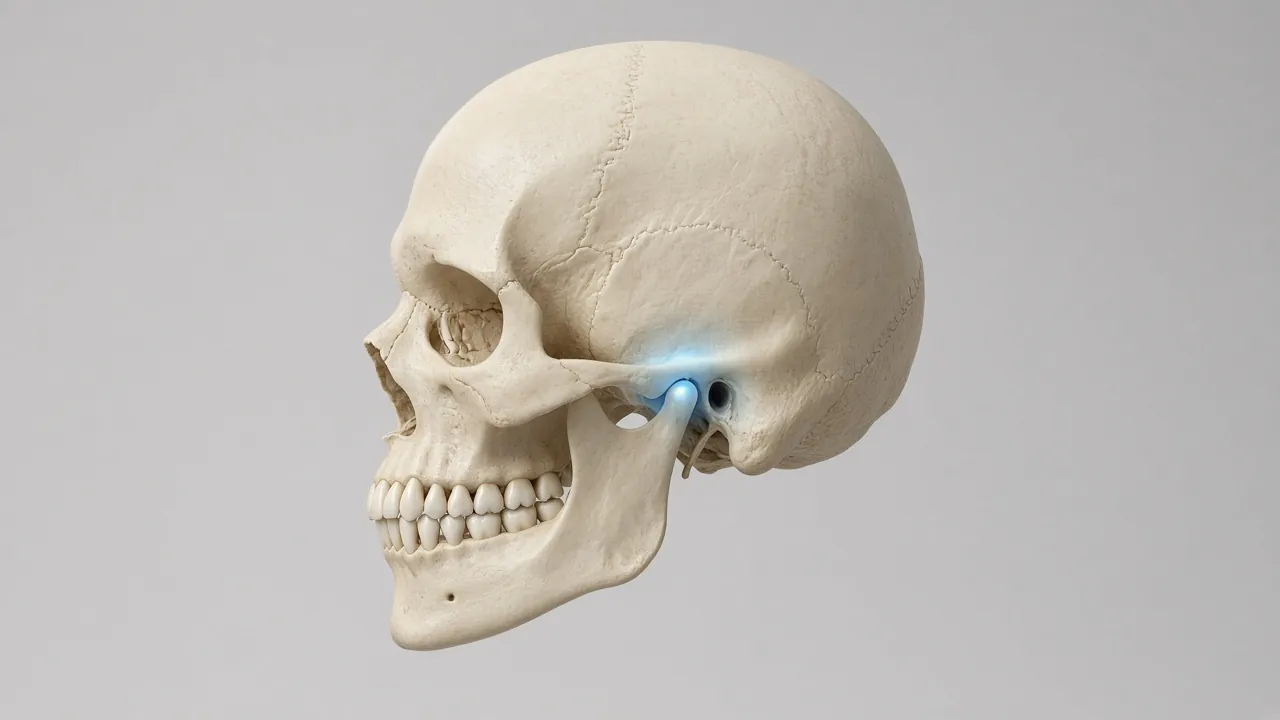
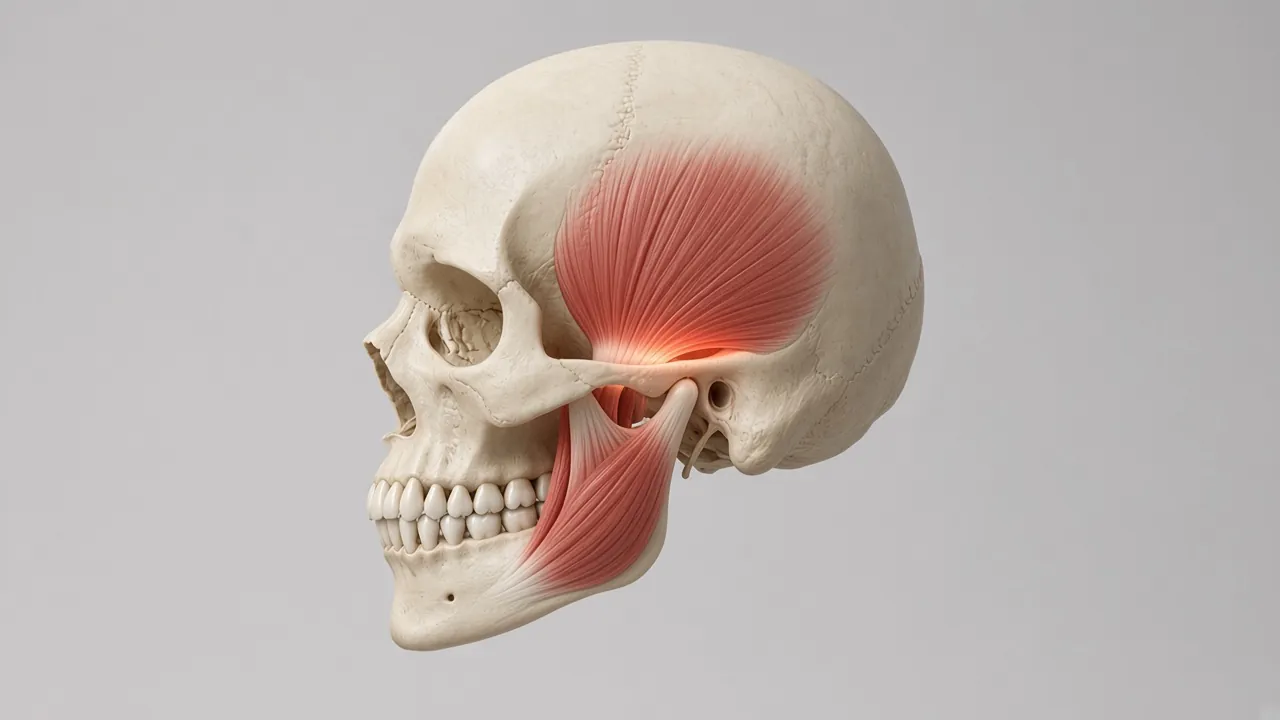
Step 1 The jaw joints sit just in front of your ears and move every time you talk or chew.
Show transcriptHide transcript (4 steps)
- The jaw joints sit just in front of your ears and move every time you talk or chew.
- Clenching, grinding, stress or injury can strain the joint and chewing muscles, causing pain, clicking or stiffness.
- Your dentist checks how your jaw opens and how your teeth meet, and may take X-rays or a scan.
- Care may include jaw exercises, a custom splint worn at night, and advice on habits. Some people are referred on.
Sports mouthguards. A mouthguard made to fit your teeth can help protect them during contact sport.
Step by step Sports mouthguard: how it works
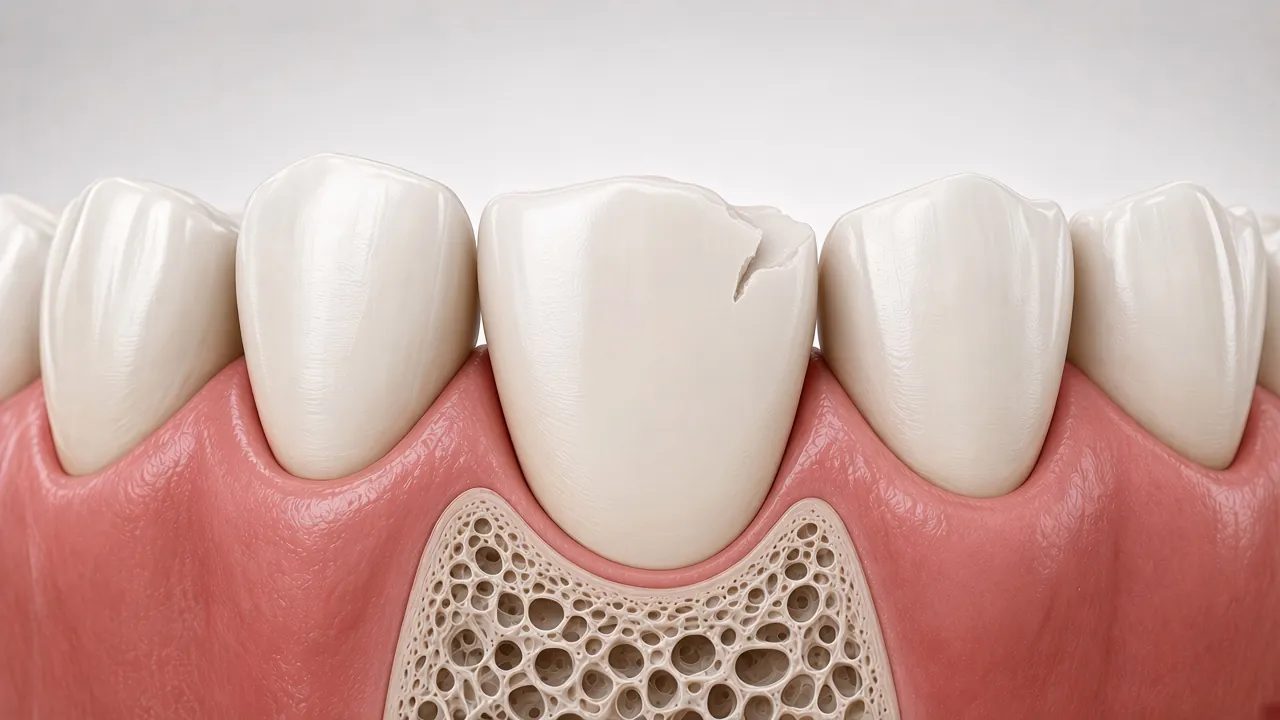
Step 1 Contact and ball sports can knock or break teeth.
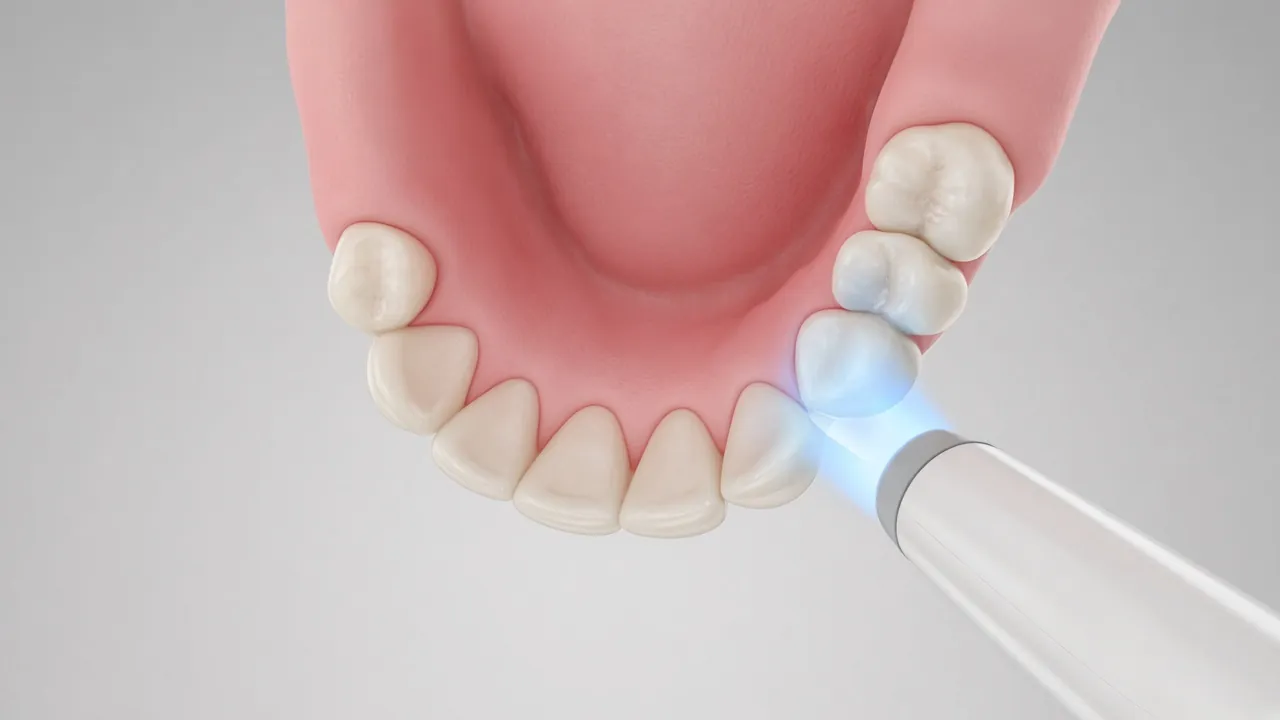
Show transcriptHide transcript (4 steps)
- Contact and ball sports can knock or break teeth.
- A scan or impression records the shape of your upper teeth.
- A custom guard is made in layers of soft, durable material to fit your teeth.
- Wear it for games and training, rinse it after use, and bring it to check-ups so the fit can be checked.
Treatment facts
Plain-language answers to common questions. General information only: your dentist will explain your own options, risks and costs after examining you.
Is it right for me?
It may suit you if
- you wake with a sore jaw, headaches or tired jaw muscles
- your teeth look worn, flat or chipped
- someone has heard you grinding at night
- you play contact sport (sports guard)
Worth knowing first
- A guard protects your teeth but doesn’t stop grinding itself.
- It isn’t a treatment for sleep apnoea. If you snore loudly or stop breathing in your sleep, see your GP.
- Shop-bought guards may not fit well.
What happens
Check
We look at wear on your teeth, your jaw and your bite.
Scan or impressions
A scan or mould of your teeth is taken.
Making the guard
The guard is made to fit your teeth.
Fitting
We fit and adjust it, and show you how to care for it.
often 1–2 weeks after the scanReview
A check to see how it feels.
Check-ups
Bring it to your regular visits so we can check it.
Times are typical ranges only. Your dentist will give you your own plan.
Recovery and aftercare
Getting used to it
- It may feel strange for a few nights.
- A little extra saliva at first is normal.
Looking after it long term
- Rinse and brush the guard gently, and keep it in its case.
- Keep it away from heat and pets.
- Bring it to your check-ups, and replace it when it wears.
When to call us: ring (08) 9330 7115 if you have pain, a sore spot, sensitivity that isn’t settling, or anything else that worries you.
Risks to know about
Every treatment has some risks. Your dentist will talk you through the ones that apply to you.
- Jaw discomfort or bite changes if the guard doesn’t fit well. We adjust it.
- Wear or cracking of the guard over time.
- It may not help headaches or jaw pain that have another cause.
Other options
Shop-bought guard
Lower cost, but less precise fit.
Managing stress and habits
Can help some people clench less.
Seeing your GP
If you have symptoms of sleep apnoea.
Cost and paying
What affects the cost
- night guard or sports guard
- the material and thickness
- scans and fitting visits
- replacements
We can’t give an exact price before we examine you. You’ll get a written, itemised plan and estimate before any treatment starts. Health fund rebates depend on your fund and level of cover.
Paying for a night guard
- Estimate first. For planned treatment you get a written estimate with item numbers before you start.
- Claim on the day. Bring your health fund card. We claim on the spot with Tyro, so you pay only the gap.
- Check your cover. Use the health fund checker to see which item numbers to ask your fund about.
- Ways to pay. EFTPOS and card, including tap and pay. Payment plans are available through Tyro and are tailored to each patient. Ask us about eligibility, terms and any fees before you start. Fees and payments
Sources (checked 21 October 2026)
Common questions
How do I know if I grind my teeth?
Common signs include jaw ache or headaches on waking, worn or chipped teeth, or a partner hearing grinding. Your dentist can check for wear at a check-up.
Is a custom guard better than a shop-bought one?
A custom guard is made to fit your teeth and bite, so it’s usually more comfortable and stays in place. Your dentist can talk you through the options.
How do I clean my night guard?
Rinse it and brush it gently each morning, let it dry and keep it in its case. Bring it to your check-ups so we can check the fit.
You might also like to read
Information adapted from our main website, myareedental.com. General information only; it isn’t a substitute for advice from your dentist. Fees are confirmed in a written treatment plan after your examination.
Your next step
Request an appointment online, call or text our team.