
Dentures, designed around your face and bite
Dentures are removable replacements for missing teeth and the surrounding gum. They can replace a few teeth (partial) or a full arch (complete).
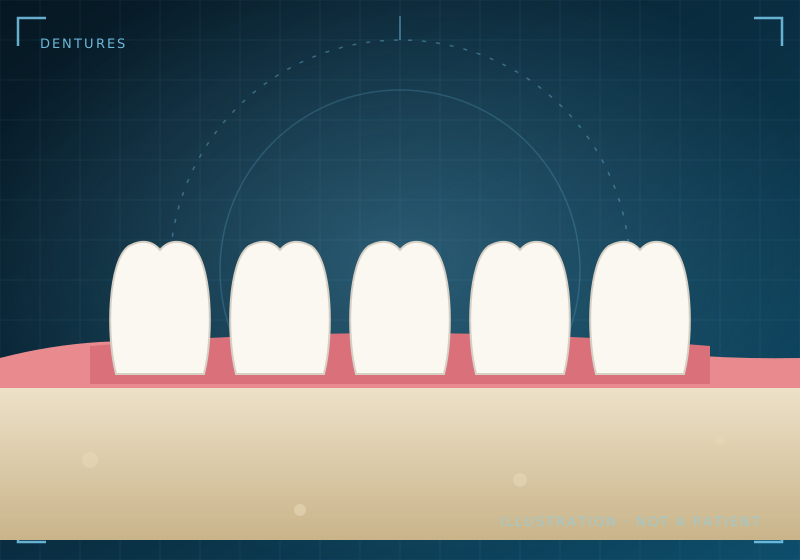
What are dentures?
Dentures are removable false teeth. A full denture replaces all the teeth in one jaw. A partial denture fills gaps between your own teeth and clips onto them.
Complete (full) dentures
Replace all the teeth in one jaw.
Partial dentures
Replace some teeth and clip to the remaining teeth.
Implant-supported dentures
Attach to dental implants for more stability.
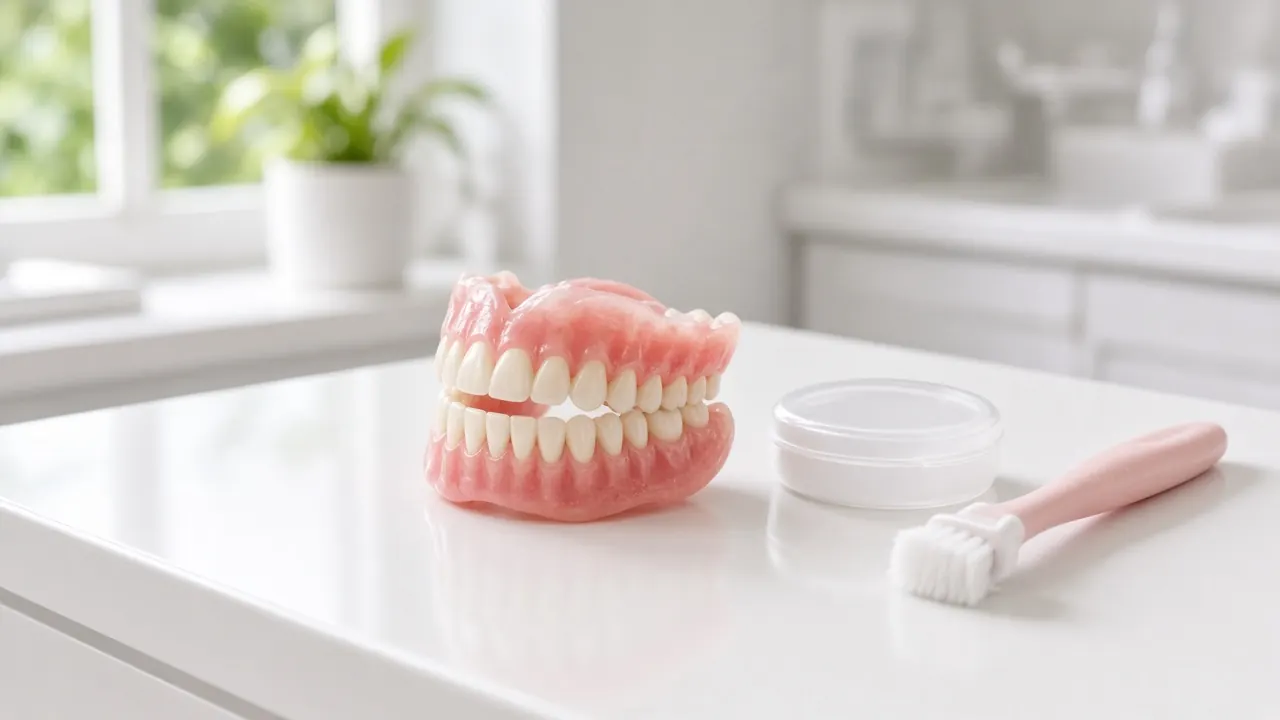
Dentures in pictures
Choose a topic, then press play or use the arrows. Captions are on (CC).
Getting a denture. The steps from impressions to fitting.
Step by step Dentures: how it works
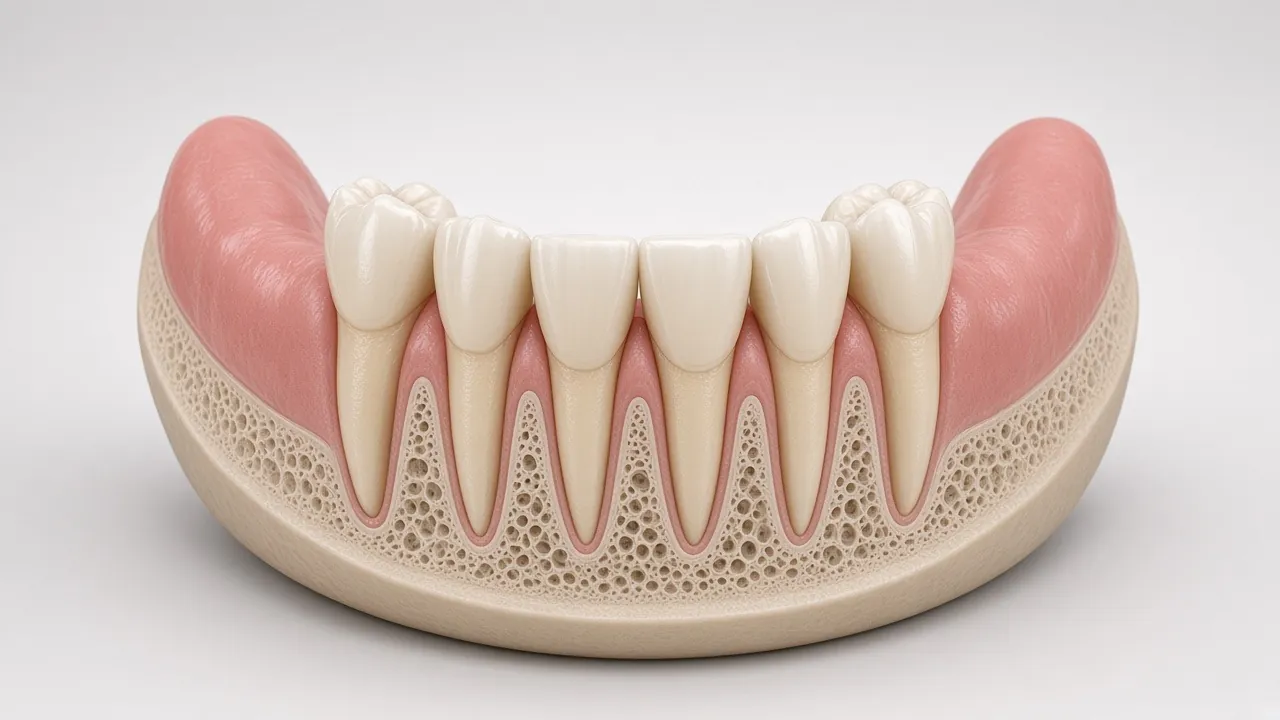
Step 1 Missing teeth can make eating and speaking harder.
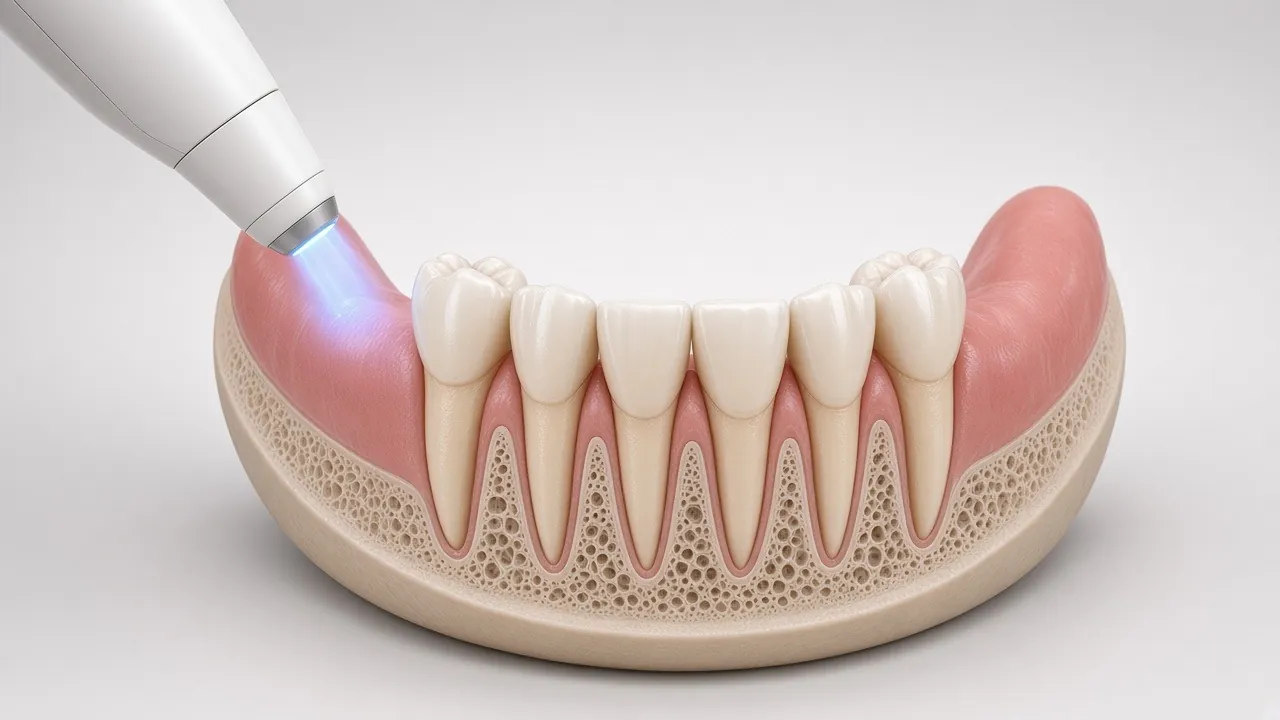
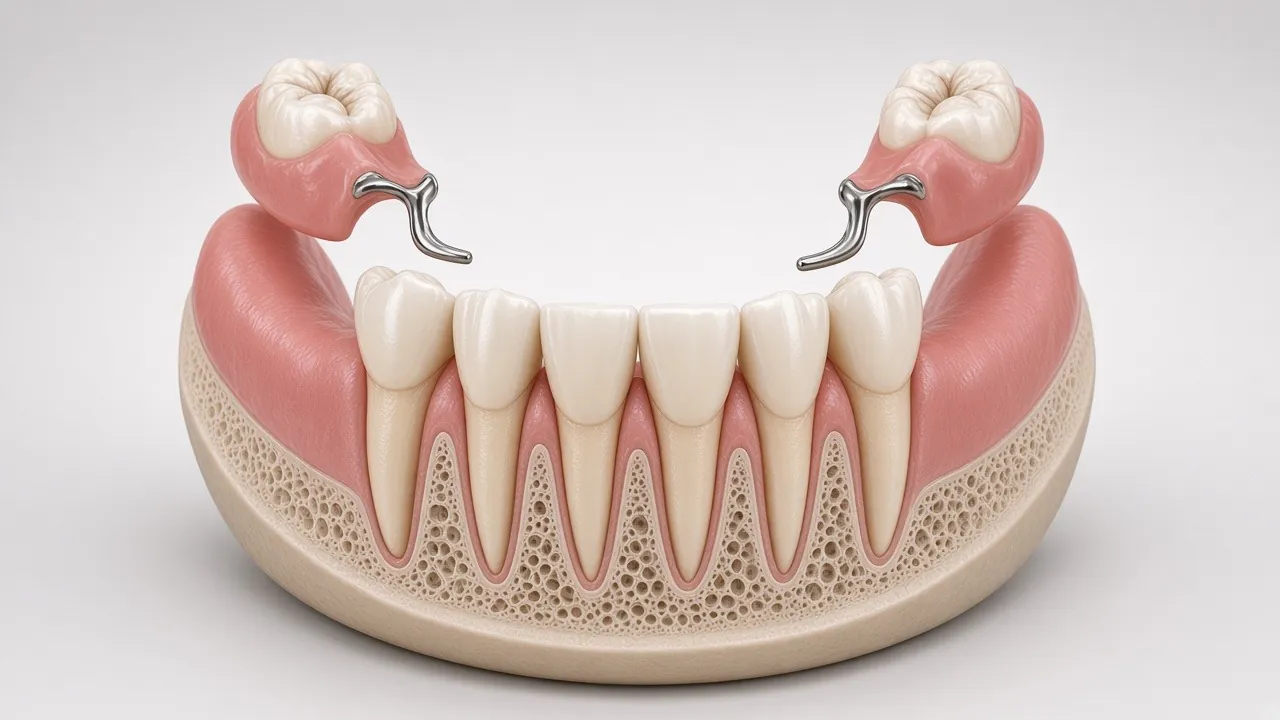
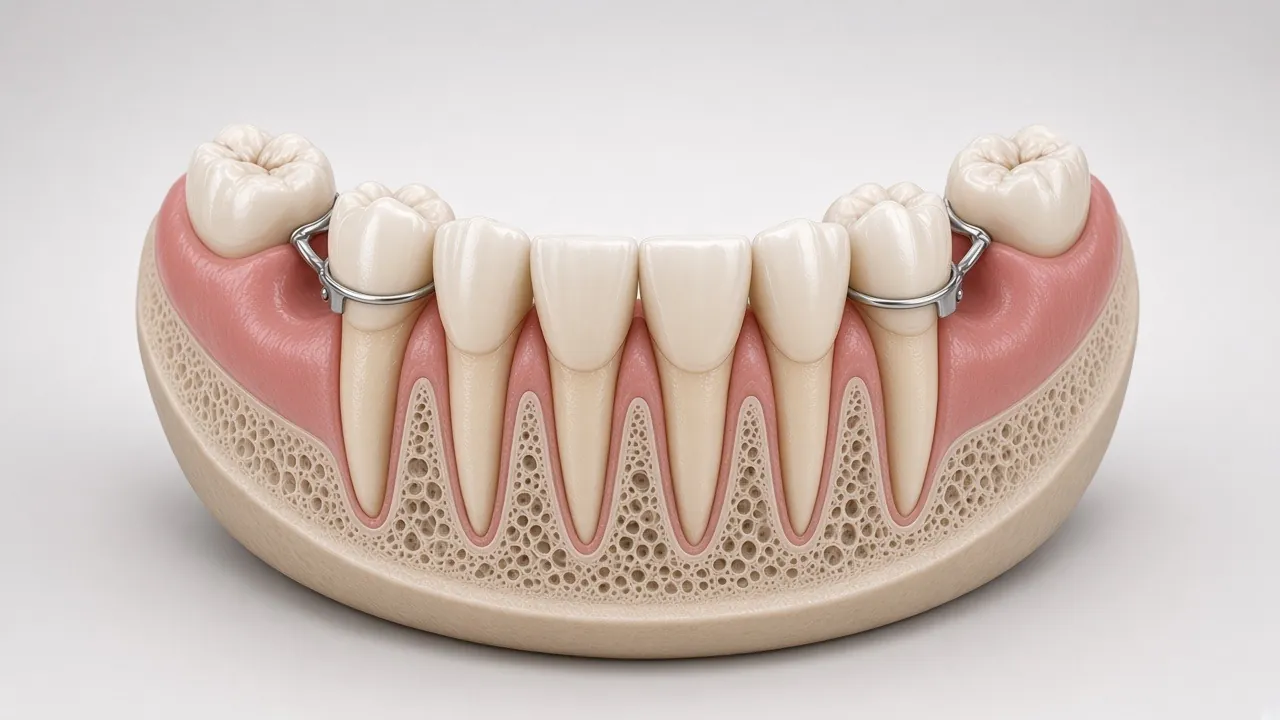
Show transcriptHide transcript (4 steps)
- Missing teeth can make eating and speaking harder.
- Impressions or a 3D scan record the shape of your mouth.
- A try-in checks the shape, shade and bite before the denture is finished.
- Your denture is fitted and adjusted for comfort, with regular reviews of the fit.
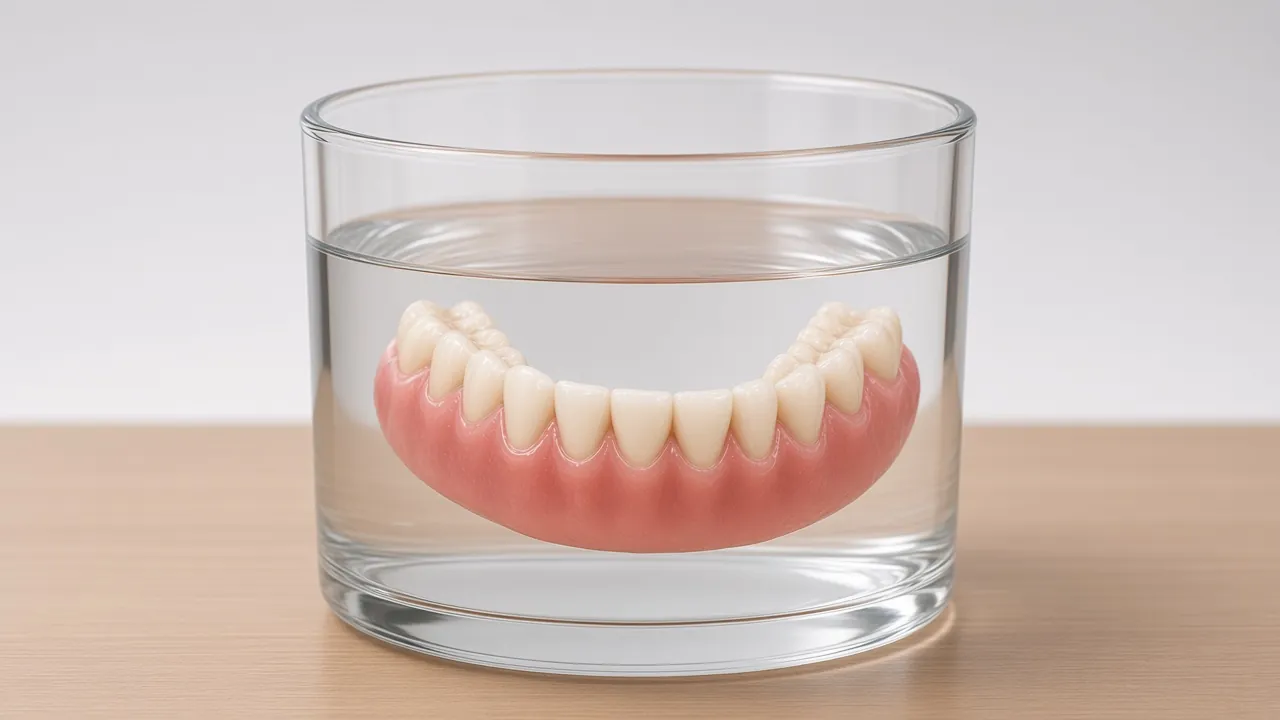
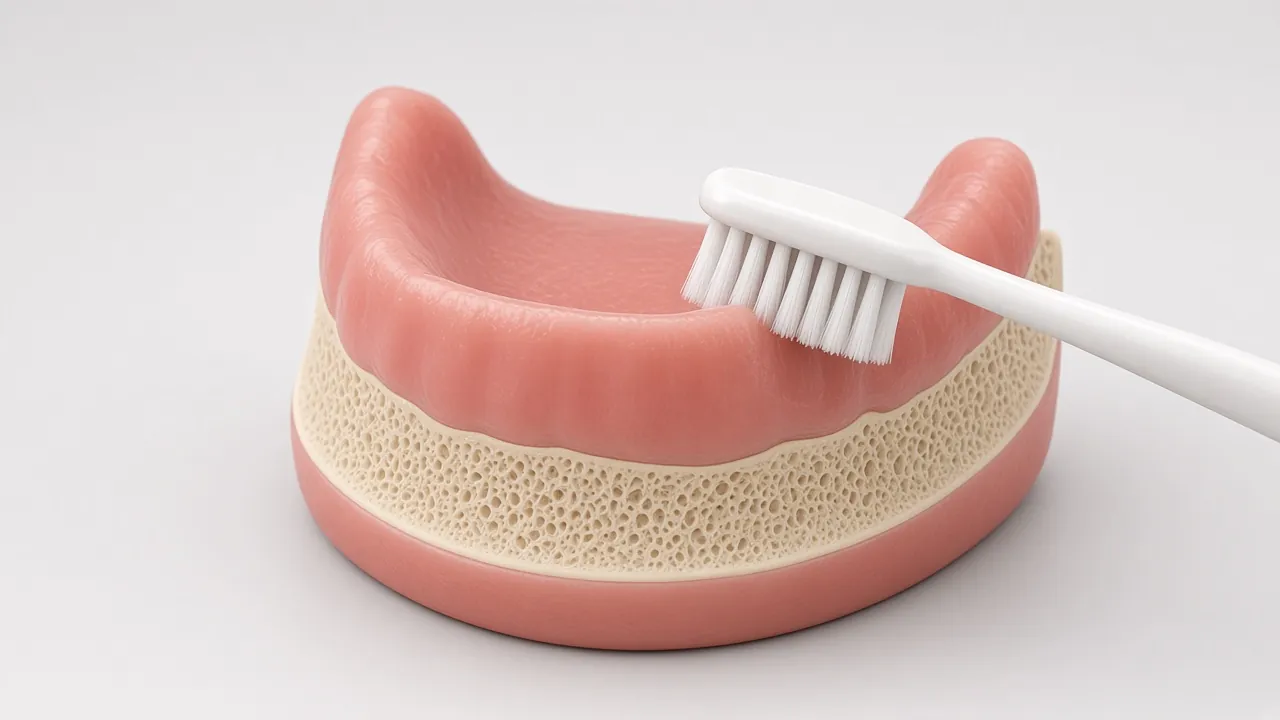
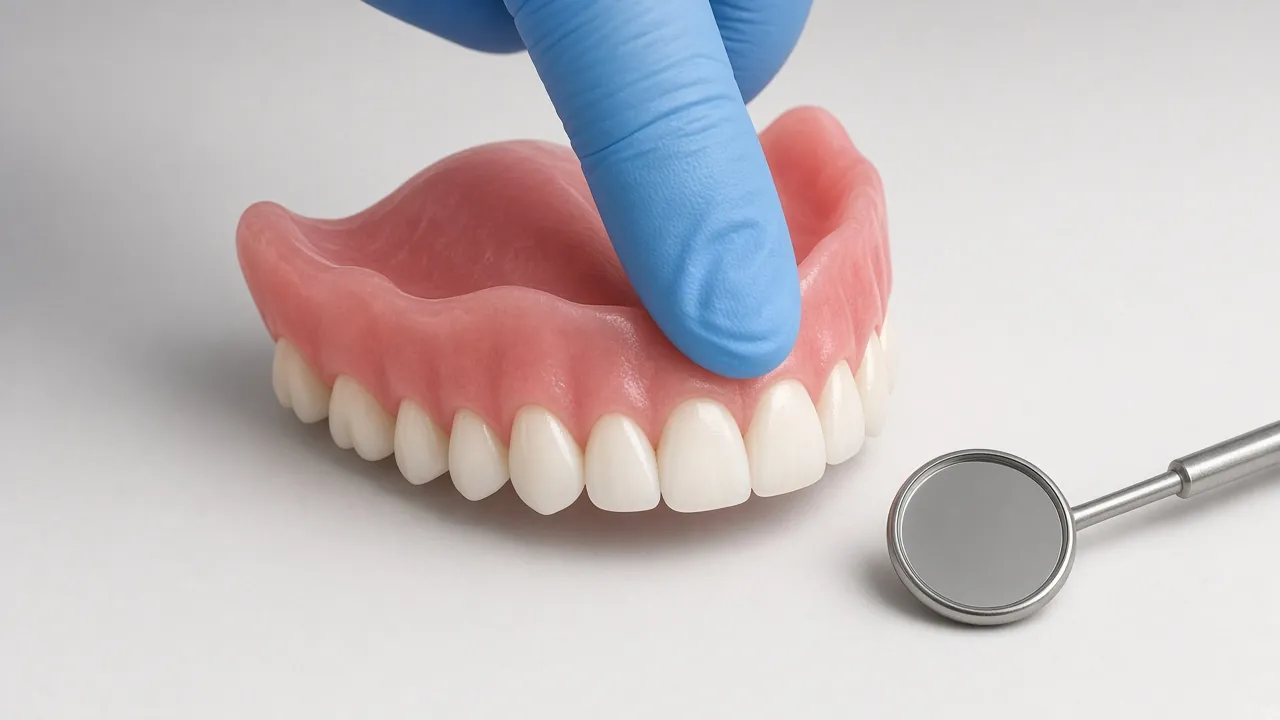
Caring for your dentures. Daily cleaning and regular check-ups help keep your dentures and your mouth healthy.
Step by step Denture care: how it works
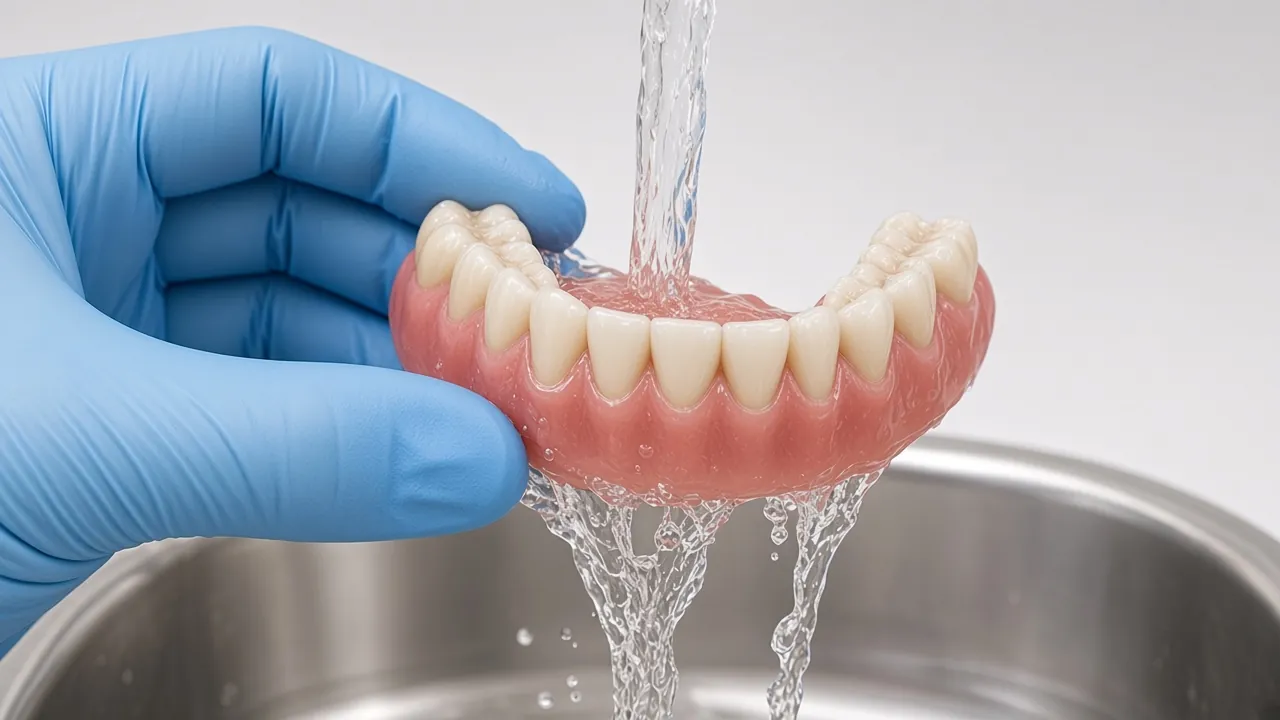
Step 1 Take your denture out and rinse it after meals.
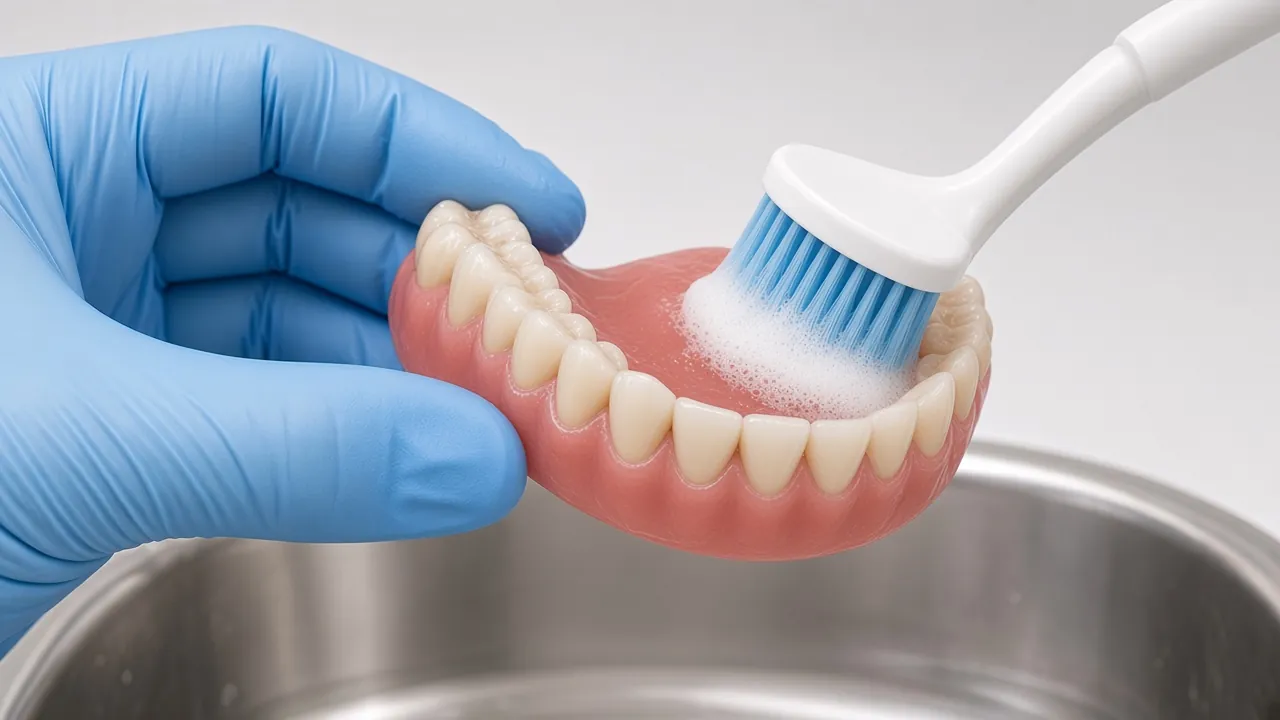
Show transcriptHide transcript (5 steps)
- Take your denture out and rinse it after meals.
- Brush it daily with a soft brush and denture cleaner, not regular toothpaste, which can scratch.
- Unless your dentist advises otherwise, leave it out overnight in water or a soaking solution.
- Clean your gums, tongue and any natural teeth too.
- Keep up regular check-ups. Your dentist checks the fit and your mouth, as gums change shape over time.
Treatment facts
Plain-language answers to common questions. General information only: your dentist will explain your own options, risks and costs after examining you.
Is it right for me?
It may suit you if
- you are missing several or all of your teeth
- you would like to avoid surgery
- your current denture is loose, broken or worn
- you want a lower-cost way to fill gaps
Worth knowing first
- Dentures take a few weeks to get used to.
- Lower dentures are often harder to keep steady than upper ones.
- The gums and bone change over time, so dentures need relining or replacing.
What happens
Check and plan
We examine your mouth and talk through full, partial and implant options.
Impressions
Moulds or scans are taken of your gums and any teeth.
Bite and try-in
Your bite is recorded and you try a wax version to check the look and fit.
Fitting
The finished denture is fitted and adjusted.
often 3–8 weeks over several visitsAdjustments
Sore spots are eased at short follow-up visits.
Check-ups
Regular reviews to check the fit and your mouth.
Times are typical ranges only. Your dentist will give you your own plan.
Recovery and aftercare
The first few weeks
- Sore spots are common. We can adjust them, so don’t put up with rubbing.
- Start with soft food cut into small pieces.
- Speaking may feel different. Reading aloud helps.
Looking after it long term
- Clean your dentures every day with a soft brush and denture cleaner.
- Take them out at night unless advised otherwise.
- Have them checked regularly, as the fit changes over time.
When to call us: ring (08) 9330 7115 if you have pain, a sore spot, sensitivity that isn’t settling, or anything else that worries you.
Risks to know about
Every treatment has some risks. Your dentist will talk you through the ones that apply to you.
- Sore spots and ulcers while you adjust.
- Fungal infection under the denture (denture stomatitis), more likely if it’s worn overnight.
- Looseness over time as the gums and bone change, needing a reline or new denture.
- Breakage if dropped.
Other options
Implant denture
Clips onto implants so it moves less. Needs surgery.
Bridge
A fixed option for one or two missing teeth.
Implants
Replace individual teeth.
Cost and paying
What affects the cost
- full or partial
- the materials used
- the number of teeth replaced
- any extractions first
- relines and repairs later
We can’t give an exact price before we examine you. You’ll get a written, itemised plan and estimate before any treatment starts. Health fund rebates depend on your fund and level of cover.
Paying for dentures
- Estimate first. For planned treatment you get a written estimate with item numbers before you start.
- Claim on the day. Bring your health fund card. We claim on the spot with Tyro, so you pay only the gap.
- Check your cover. Use the health fund checker to see which item numbers to ask your fund about.
- Ways to pay. EFTPOS and card, including tap and pay. Payment plans are available through Tyro and are tailored to each patient. Ask us about eligibility, terms and any fees before you start. Fees and payments
Sources (checked 21 October 2026)
Common questions
Will I be able to eat normally?
It takes practice. Start with soft foods cut into small pieces, and most people adapt over a few weeks. Tell us about any sore spots so we can adjust the denture.
How long do dentures last?
Your mouth changes over time, so dentures may need relining or remaking. Regular reviews help keep the fit comfortable.
Can dentures be made more stable?
Implant-supported dentures attach to implants in the jaw. They may suit people with enough bone; your dentist can assess this.
You might also like to read
Information adapted from our main website, myareedental.com. General information only; it isn’t a substitute for advice from your dentist. Fees are confirmed in a written treatment plan after your examination.
Your next step
Request an appointment online, call or text our team.