
Veneers, shaped and shaded with you
Veneers are thin, custom-made shells of porcelain or composite resin bonded to the front of teeth to change their shape, size or colour.
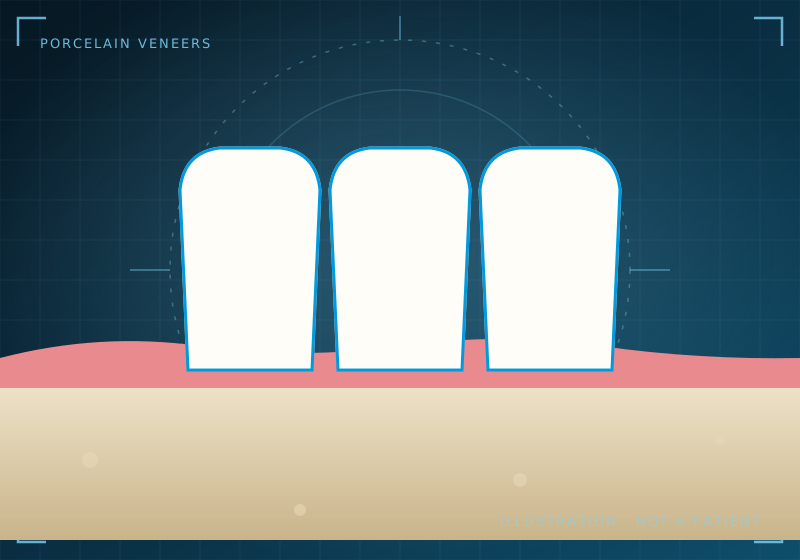
What are veneers?
Veneers are thin layers bonded to the front of teeth to change their colour, shape or size. They can be built up in tooth-coloured composite, or made from porcelain.
Porcelain veneers
Made to fit, then bonded to the tooth.
Composite veneers
Tooth-coloured resin built up directly on the tooth.
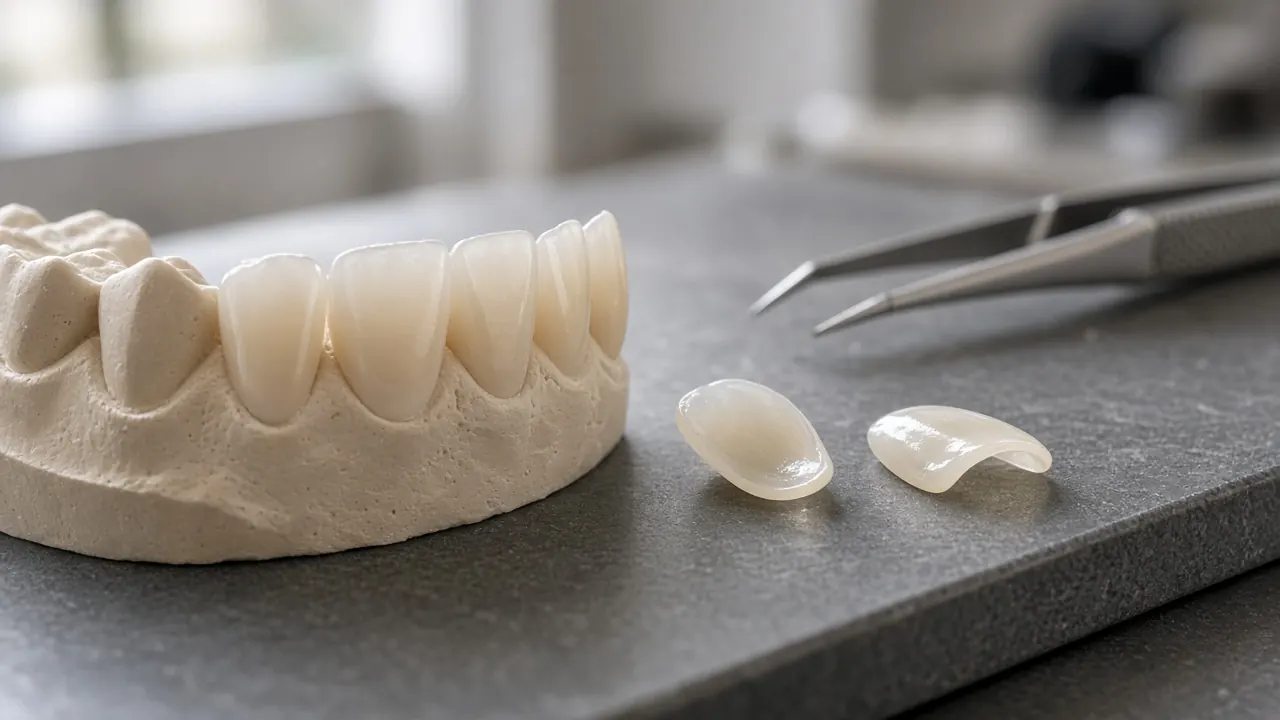
Veneers in pictures
Choose a topic, then press play or use the arrows. Captions are on (CC).
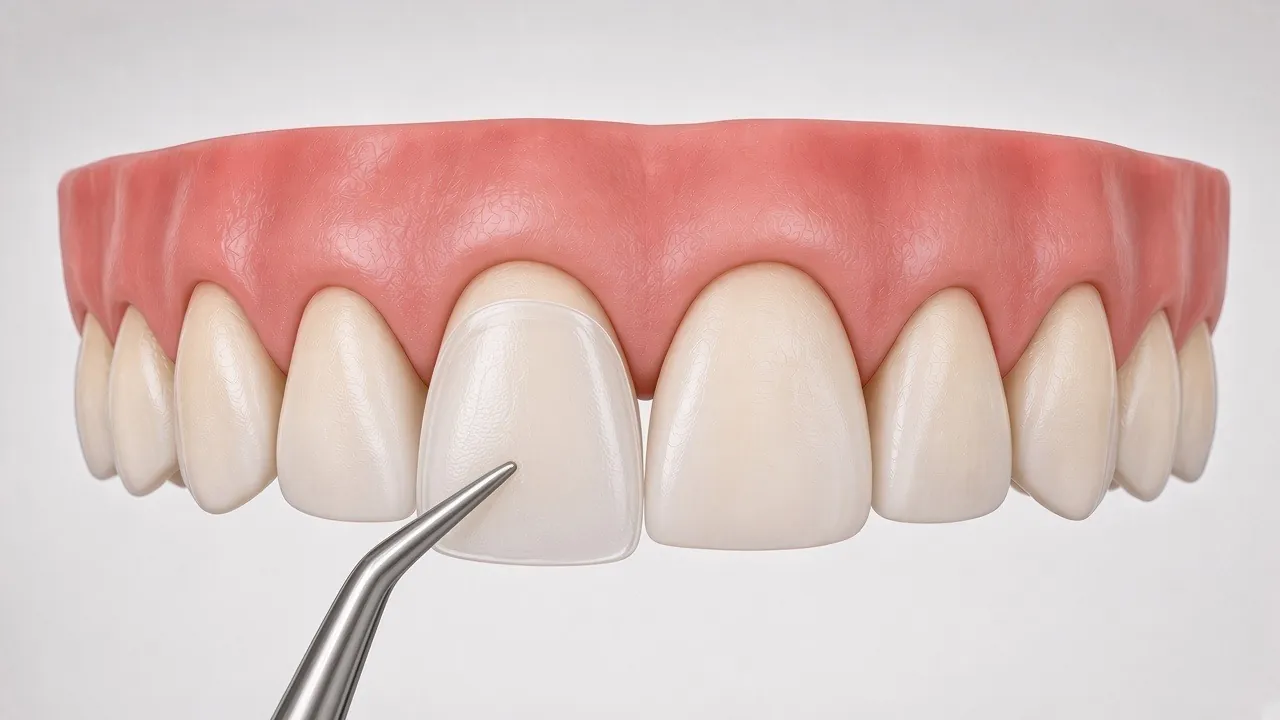
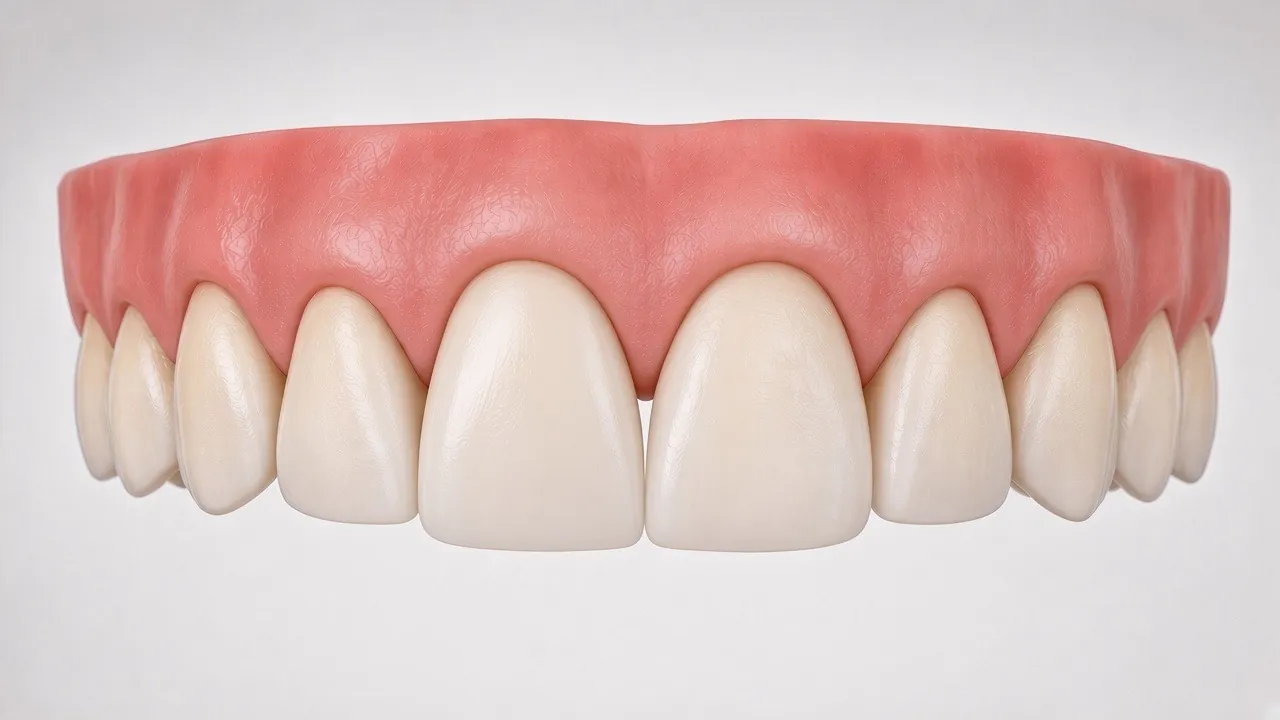
Veneers. How a thin shell is bonded to the front of a tooth.
Step by step Veneers: how it works
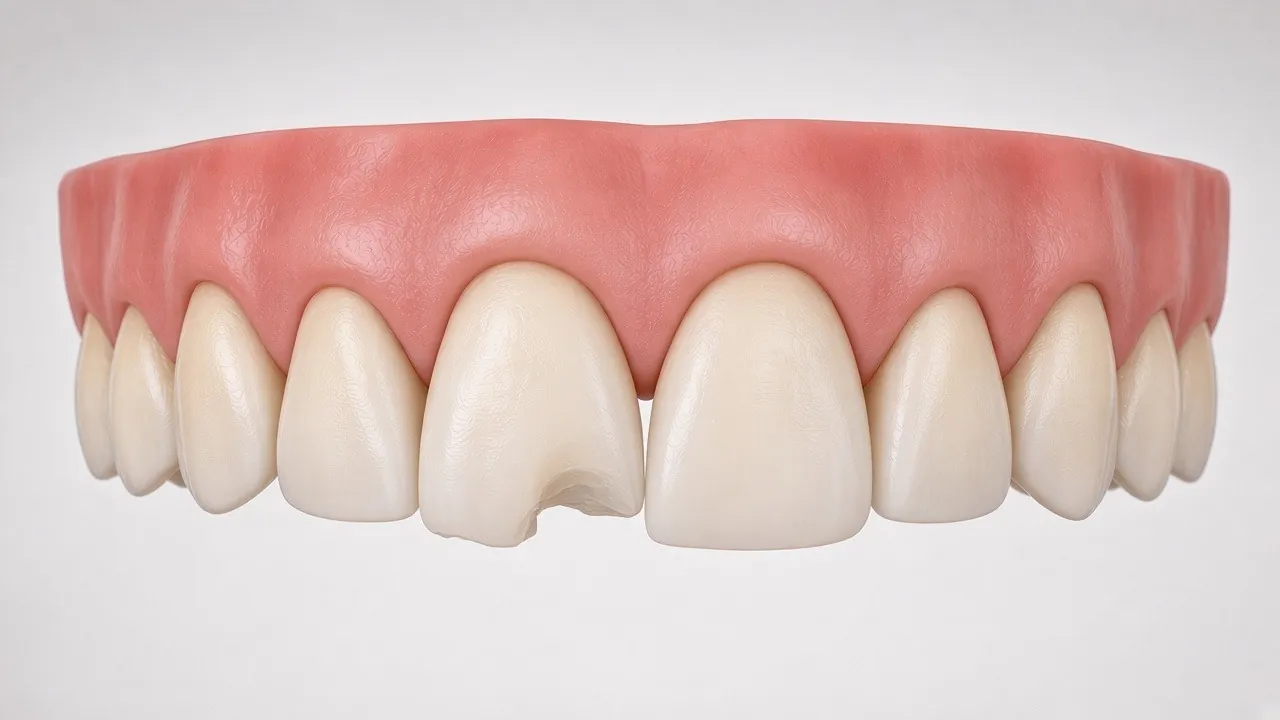
Step 1 A front tooth may be chipped, worn or discoloured.
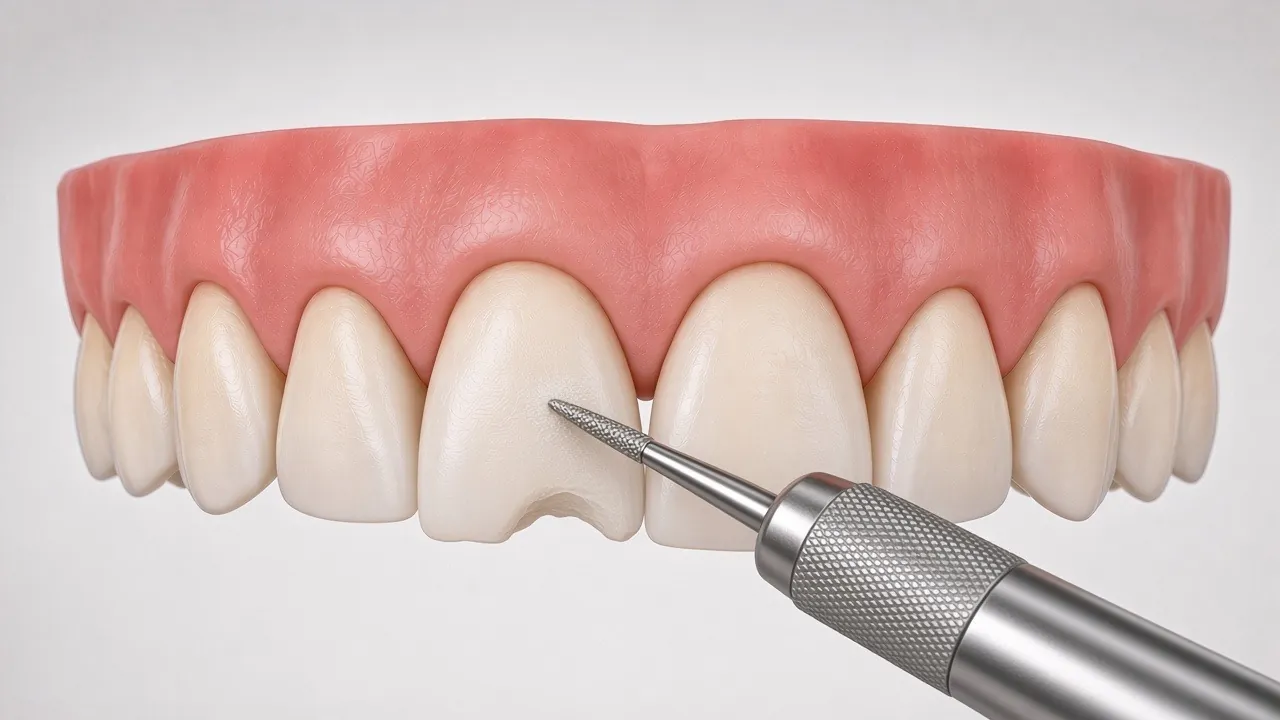
Show transcriptHide transcript (4 steps)
- A front tooth may be chipped, worn or discoloured.
- A very thin layer of enamel may be removed from the front of the tooth.
- A thin custom shell is made to match the shape and shade planned with you.
- The veneer is bonded to the front of the tooth and polished.
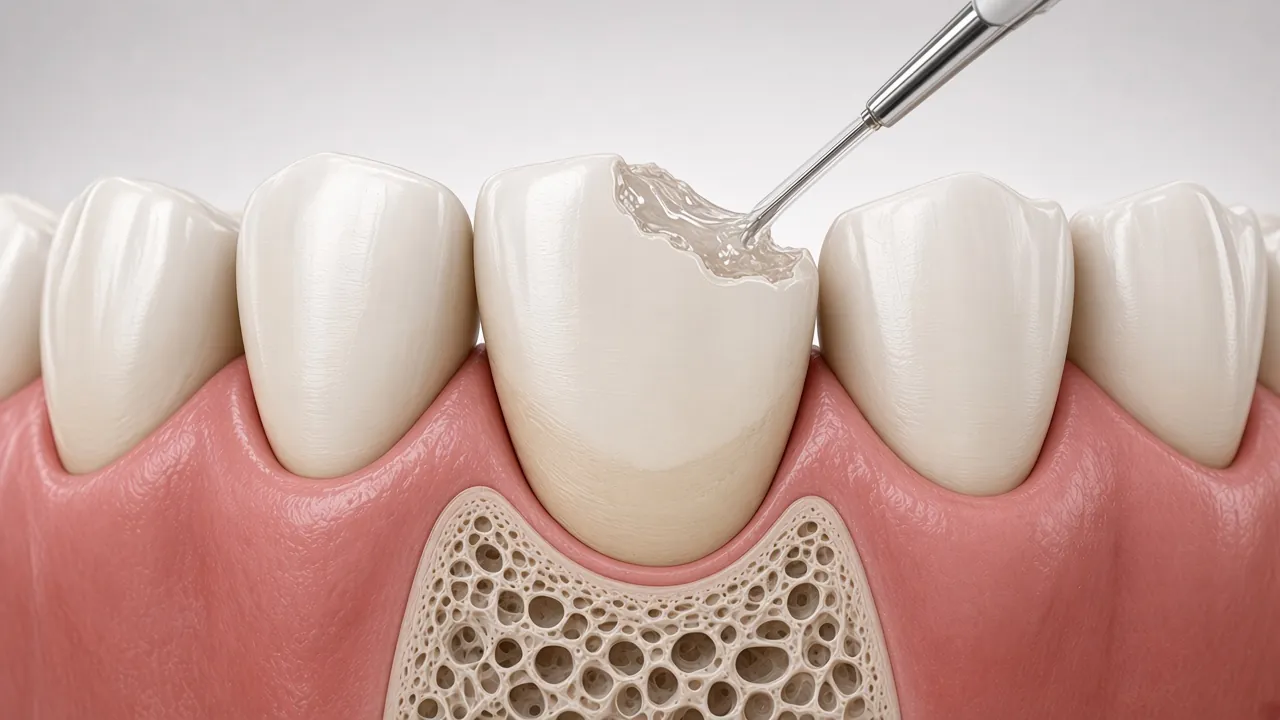
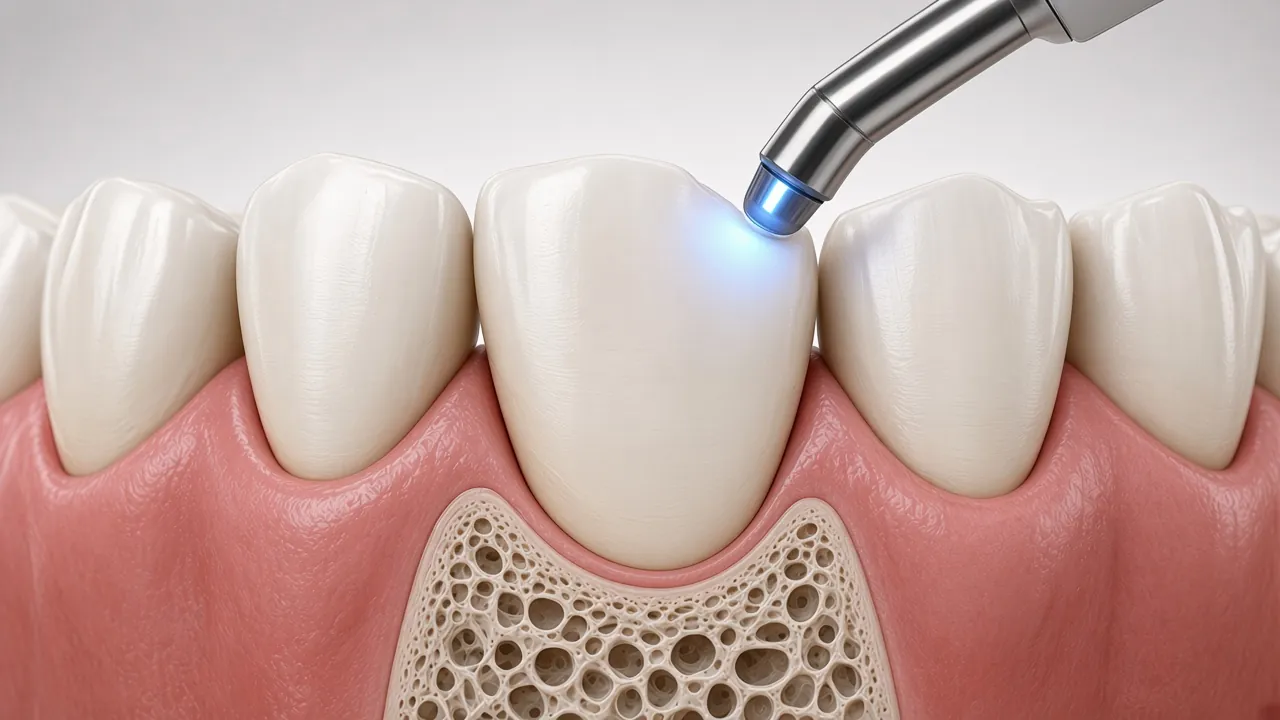
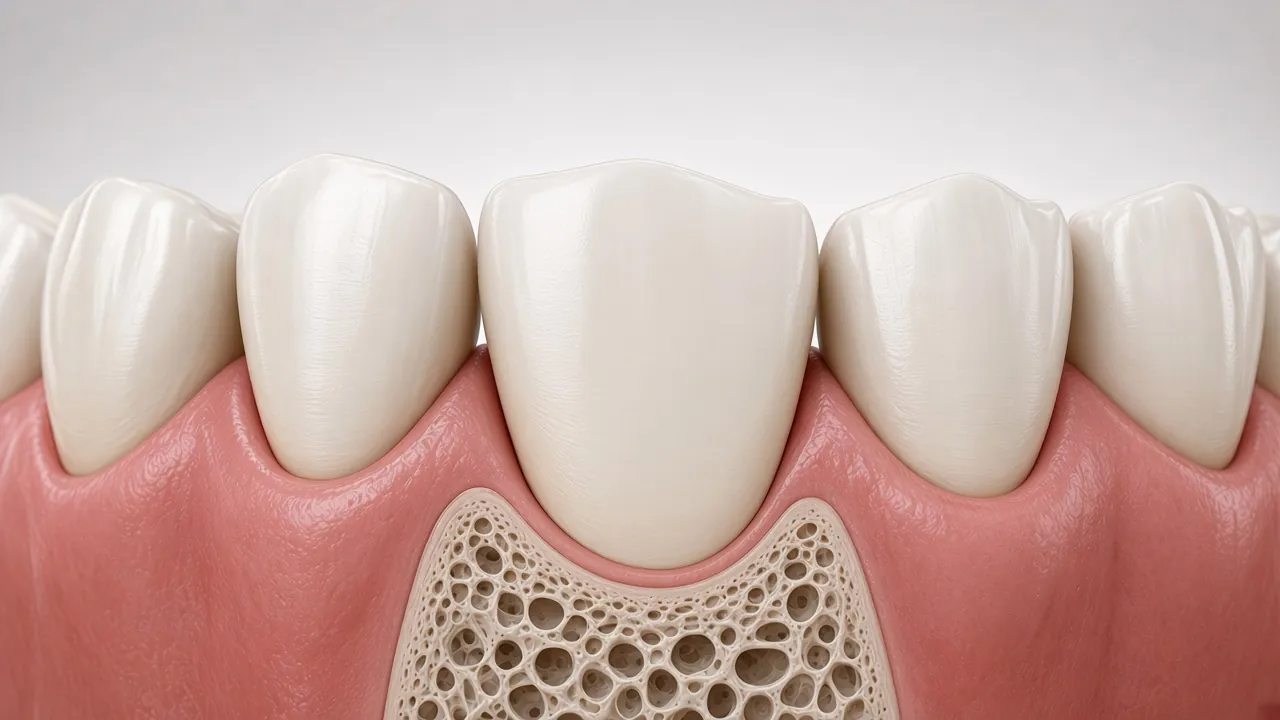
Tooth bonding. For small chips or gaps, tooth-coloured bonding may be an option instead of veneers.
Step by step Tooth bonding: how it works
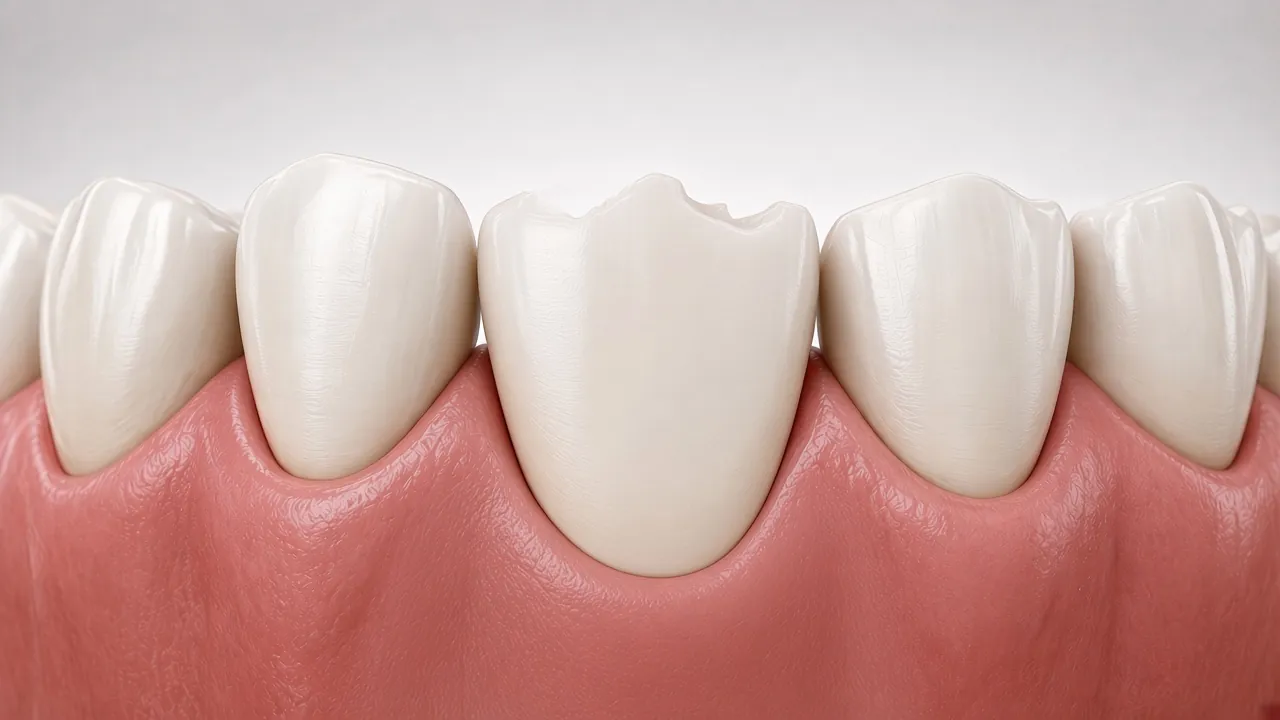
Step 1 A front tooth may have a small chip, gap or uneven edge.
Show transcriptHide transcript (4 steps)
- A front tooth may have a small chip, gap or uneven edge.
- The surface is gently roughened and a bonding agent is applied. Often no numbing is needed.
- Tooth-coloured composite is shaped by hand and hardened with a blue light.
- The tooth is polished to blend in. Bonding can chip or stain over time, so it may need touch-ups.
Treatment facts
Plain-language answers to common questions. General information only: your dentist will explain your own options, risks and costs after examining you.
Is it right for me?
It may suit you if
- your front teeth are chipped, worn or discoloured
- you have small gaps or uneven shapes
- whitening hasn’t helped with staining
- your teeth and gums are healthy
Worth knowing first
- Some enamel is usually removed. This can’t be undone, so you will always need a veneer on that tooth.
- Veneers don’t fix crooked bites. Aligners may be better for that.
- Grinding your teeth can chip veneers.
What happens
Consultation
We talk about your goals, check your teeth and gums, and take photos.
Planning
A digital or wax preview helps you see the likely shape. It is a guide, not a promise.
Preparing teeth
Teeth are numbed if needed and a thin layer of enamel is shaped.
Making veneers
Composite and CEREC veneers are often done in one visit. Porcelain veneers from a lab take more visits.
porcelain: often 1–3 weeksBonding
Veneers are bonded on, and the colour and bite are checked.
Review
A check about 1 to 2 weeks later, then regular check-ups.
Times are typical ranges only. Your dentist will give you your own plan.
Recovery and aftercare
The first few days
- Teeth may feel sensitive or a little rough for a few days.
- Your bite may feel different at first. Call us if it feels high.
Looking after it long term
- Brush and clean between your teeth every day.
- Avoid biting hard things like ice, pens or nails.
- Wear a night guard if you grind your teeth.
- Composite veneers may need polishing or repair over time.
When to call us: ring (08) 9330 7115 if you have pain, a sore spot, sensitivity that isn’t settling, or anything else that worries you.
Risks to know about
Every treatment has some risks. Your dentist will talk you through the ones that apply to you.
- Enamel removal is permanent.
- Sensitivity after preparation.
- Chipping, staining or debonding, which may need repair or replacement.
- Colour or shape may not match exactly what you imagined.
- Gum irritation at the edges.
Ways risk is lowered: careful planning with a preview, keeping enamel removal small, and a night guard if you grind.
Other options
Teeth whitening
For colour only, with no enamel removed.
Bonding
Tooth-coloured filling material added to fix small chips or gaps.
Clear aligners
To straighten teeth instead of covering them.
Cost and paying
What affects the cost
- composite or porcelain
- how many teeth
- planning and previews
- any whitening or gum treatment first
We can’t give an exact price before we examine you. You’ll get a written, itemised plan and estimate before any treatment starts. Health fund rebates depend on your fund and level of cover.
Paying for veneers
- Estimate first. For planned treatment you get a written estimate with item numbers before you start.
- Claim on the day. Bring your health fund card. We claim on the spot with Tyro, so you pay only the gap.
- Check your cover. Use the health fund checker to see which item numbers to ask your fund about.
- Ways to pay. EFTPOS and card, including tap and pay. Payment plans are available through Tyro and are tailored to each patient. Ask us about eligibility, terms and any fees before you start. Fees and payments
Any surgical or invasive procedure carries risks. Before proceeding, you should seek a second opinion from an appropriately qualified health practitioner. Suitability, treatment time and results vary from person to person.
Sources (checked 21 October 2026)
Common questions
Porcelain or composite?
Porcelain veneers are made to fit and resist staining; composite veneers are built up directly on the tooth and are easier to repair. Your dentist will explain which suits your situation.
Is the tooth changed?
Often a very thin layer of enamel is removed so the veneer sits naturally. This can’t be reversed, so it’s worth discussing carefully.
Will veneers need replacing?
They can chip or wear over time. Avoiding biting hard objects and wearing a night guard if you grind can help.
You might also like to read
Information adapted from our main website, myareedental.com. General information only; it isn’t a substitute for advice from your dentist. Fees are confirmed in a written treatment plan after your examination.
Your next step
Request an appointment online, call or text our team.