Learn about your teeth
Explore a 3D mouth, peel back the layers of a tooth, time your brushing and test your knowledge. General information only.
What’s bothering you?
Choose a concern to see what it can look like and the treatments that may help. Drag to rotate, scroll or pinch to zoom, and click or tap a tooth to see its name, FDI number, common problems and related treatments.

Possible signs
Treatments that may help
This tool is general information only and not a diagnosis. Only a dentist can assess your teeth and recommend treatment.
Common problems
Related treatments
Glossary
The 3D model is a simplified illustration, not a real patient.
Explore the layers of a tooth
Turn layers on or off to see what’s underneath. Choose a layer to learn what it does.
Enamel
The hard, outer layer of the crown. It has no nerves, so early wear or decay may not hurt.
Glossary: enamelDentine
Under the enamel. It has tiny tubes that lead to the nerve, which is why exposed dentine can feel sensitive.
Glossary: dentinePulp
The soft centre with nerves and blood vessels. Infection here may need root canal treatment.
Glossary: pulpPeriodontal ligament
Tiny fibres that hold the tooth in its socket and cushion biting forces.
Glossary: periodontal ligamentGum (gingiva)
Soft tissue that seals around the tooth. Healthy gums are pink and firm and don’t bleed.
Glossary: gum (gingiva)Tip: select a layer button to read about it. Pressing it again hides that layer.
Simplified cross-section of a lower back tooth, not to scale.
Two-minute brushing timer
Brush each quarter of your mouth for 30 seconds. The timer tells you when to move on.
- Upper right Outer, inner and chewing surfaces.
- Upper left Tilt the brush at 45° towards the gum line.
- Lower left Small, gentle circles. No scrubbing.
- Lower right Finish with the backs of the front teeth and your tongue.
Use a soft brush and fluoride toothpaste. Spit, don’t rinse. Children need help until about age 8.
Cleaning between your teeth
Take about 45 cm of floss and wind most of it around one middle finger.
Guide it gently between two teeth with a sawing motion; don’t snap it into the gum.
Curve it into a C shape around one tooth and slide it up and down, just under the gum line.
Repeat on the neighbouring tooth, then use a clean section for the next gap.
Prefer brushes? Interdental brushes or water flossers suit many people. Ask us which size fits.
A little bleeding when you start flossing is common and usually settles within a week or two. If it doesn’t, book a check-up.
Printable treatment brochures
Two-page A4 information sheets to print or save, one for each treatment. General information only; your dentist will explain your own options, risks and costs.
Browse all brochures with previews
General dentistry
Preventive dentistry
Restorative dentistry
Cosmetic dentistry
Surgical dentistry
Laser dentistry
Technology
Children’s dentistry
Dental emergencies
Test your knowledge
Each treatment page ends with a short three-question quiz.
General dental health: quick quiz
Three questions. General information only. Nothing you choose is stored or sent.
How to brush
A simple routine, twice a day.
Press play, or use the arrow buttons to step through. Captions are on by default (CC button).
Step by step Brushing: how it works
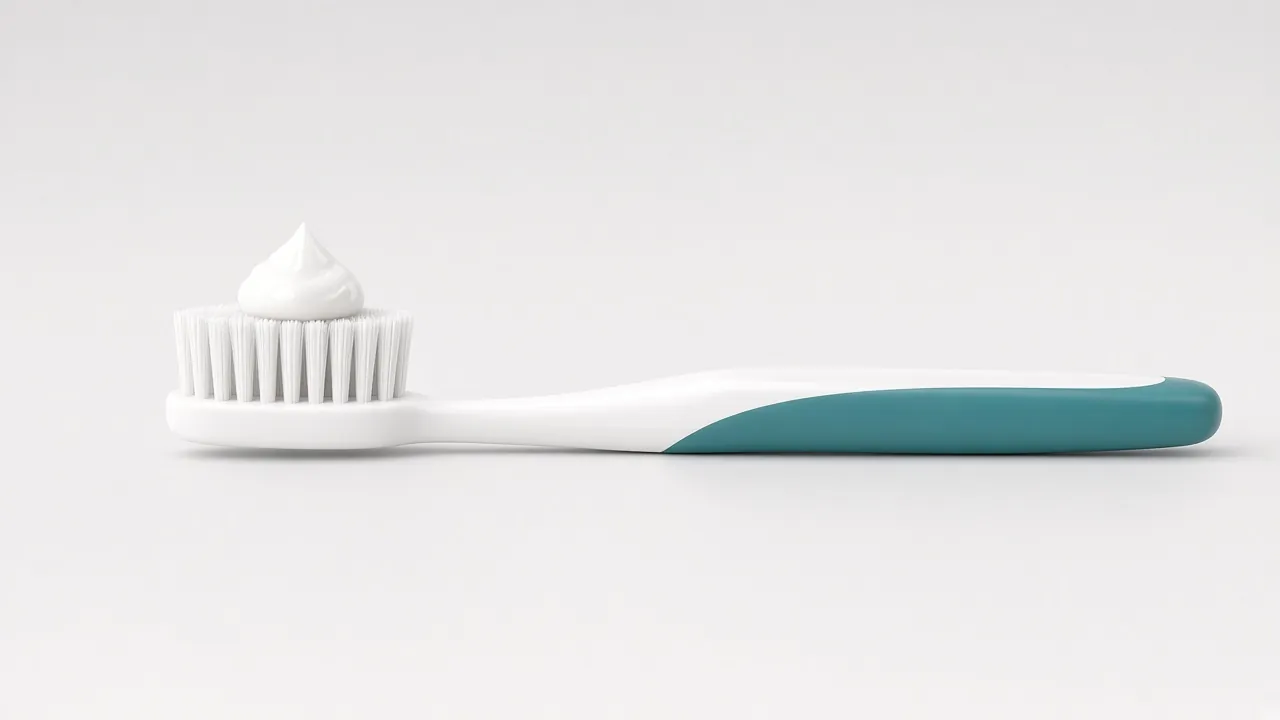
Step 1 Use a soft brush and a pea-sized amount of fluoride toothpaste.
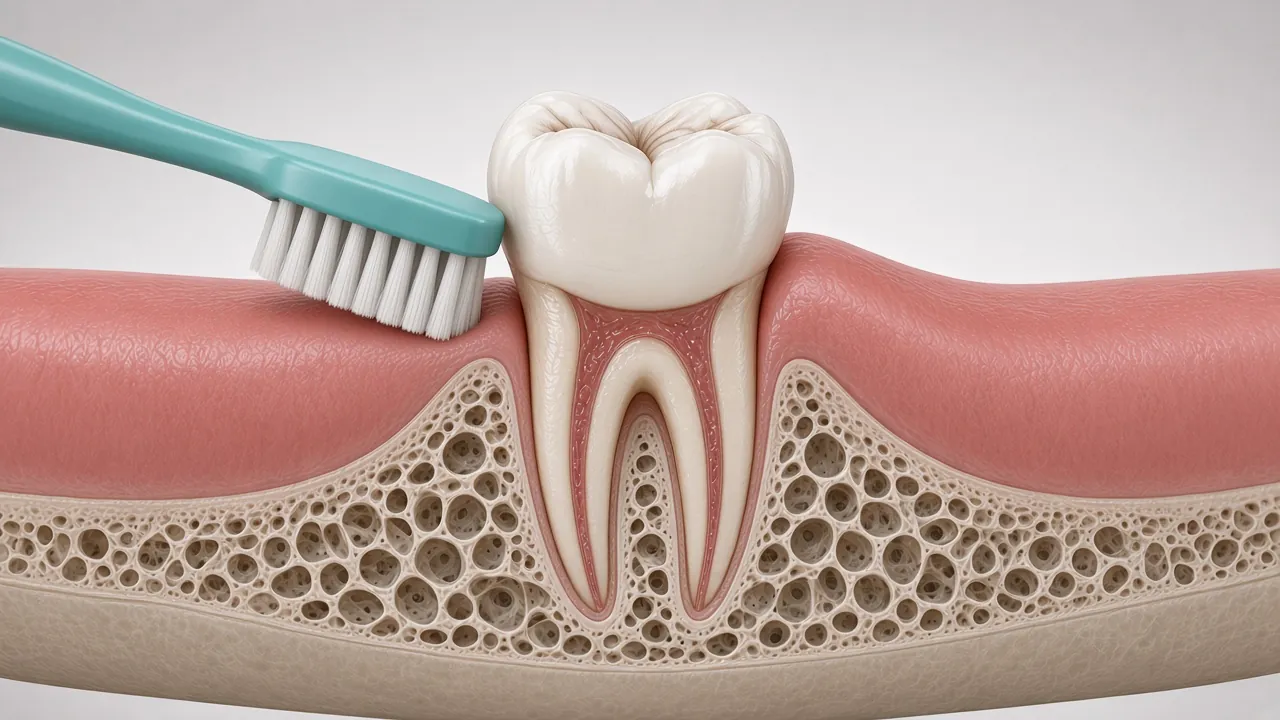
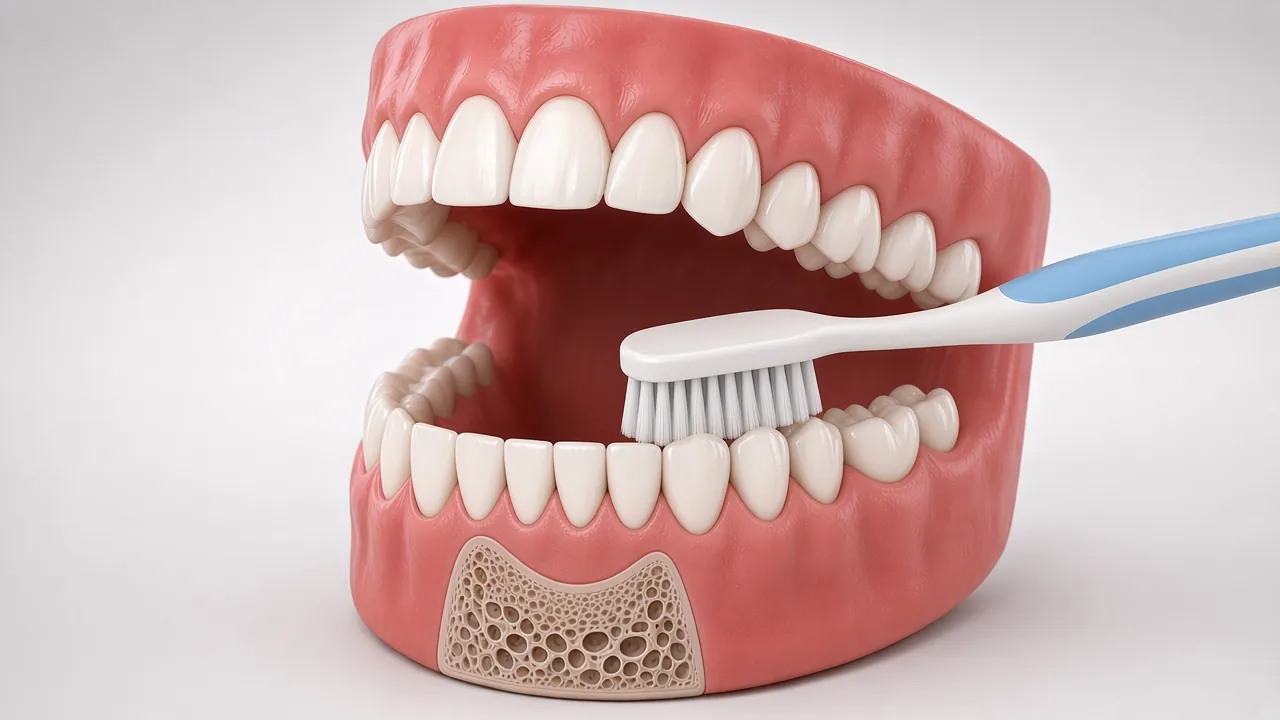
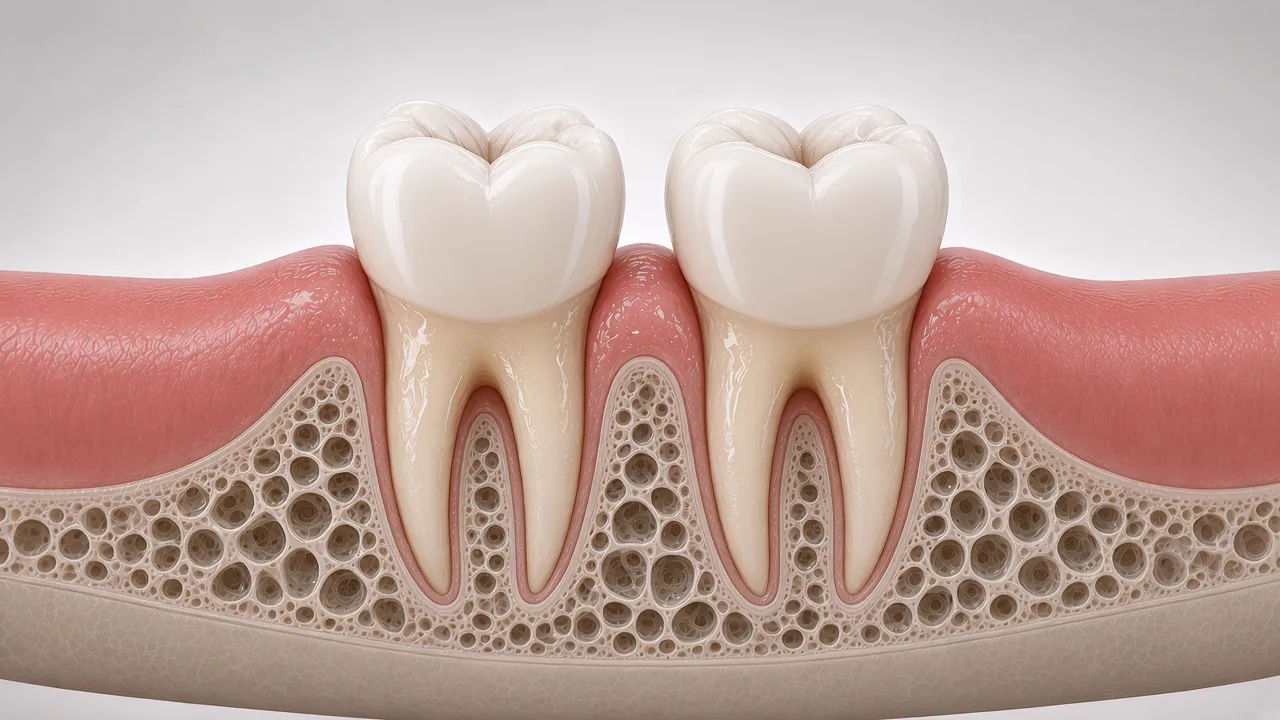
Show transcriptHide transcript (4 steps)
- Use a soft brush and a pea-sized amount of fluoride toothpaste.
- Angle the bristles towards the gum line and use small, gentle circles.
- Brush the outer, inner and chewing surfaces of every tooth, for about two minutes, twice a day.
- Spit, don’t rinse, so the fluoride keeps working.
Cleaning between your teeth
Floss or interdental brushes reach where a toothbrush can’t.
Press play, or use the arrow buttons to step through. Captions are on by default (CC button).
Step by step Flossing: how it works
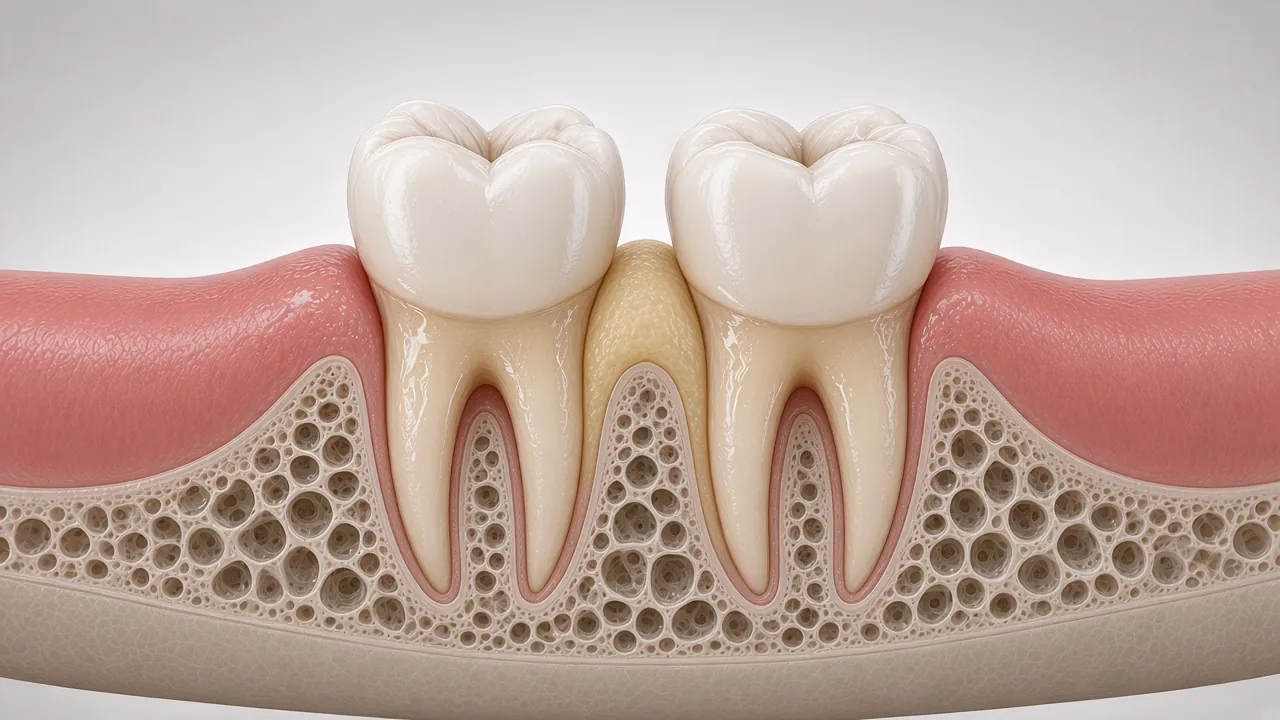
Step 1 A toothbrush can’t reach the tight spaces between teeth, where plaque collects.
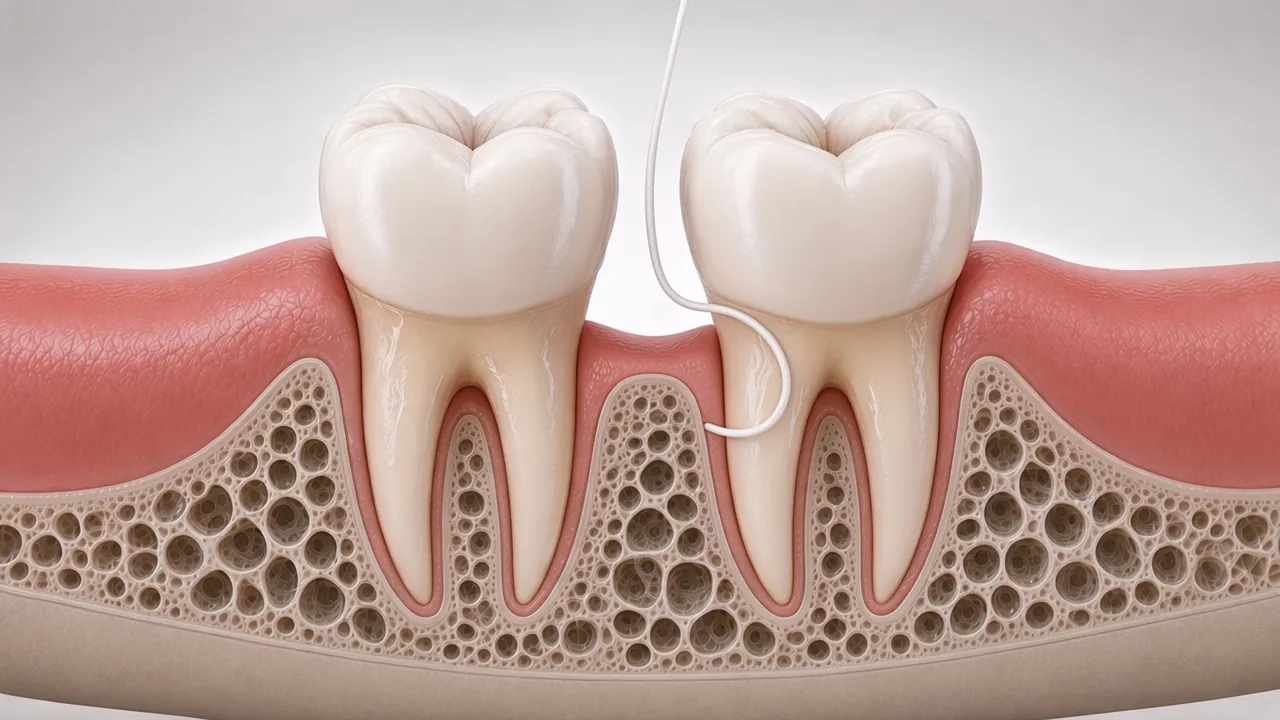
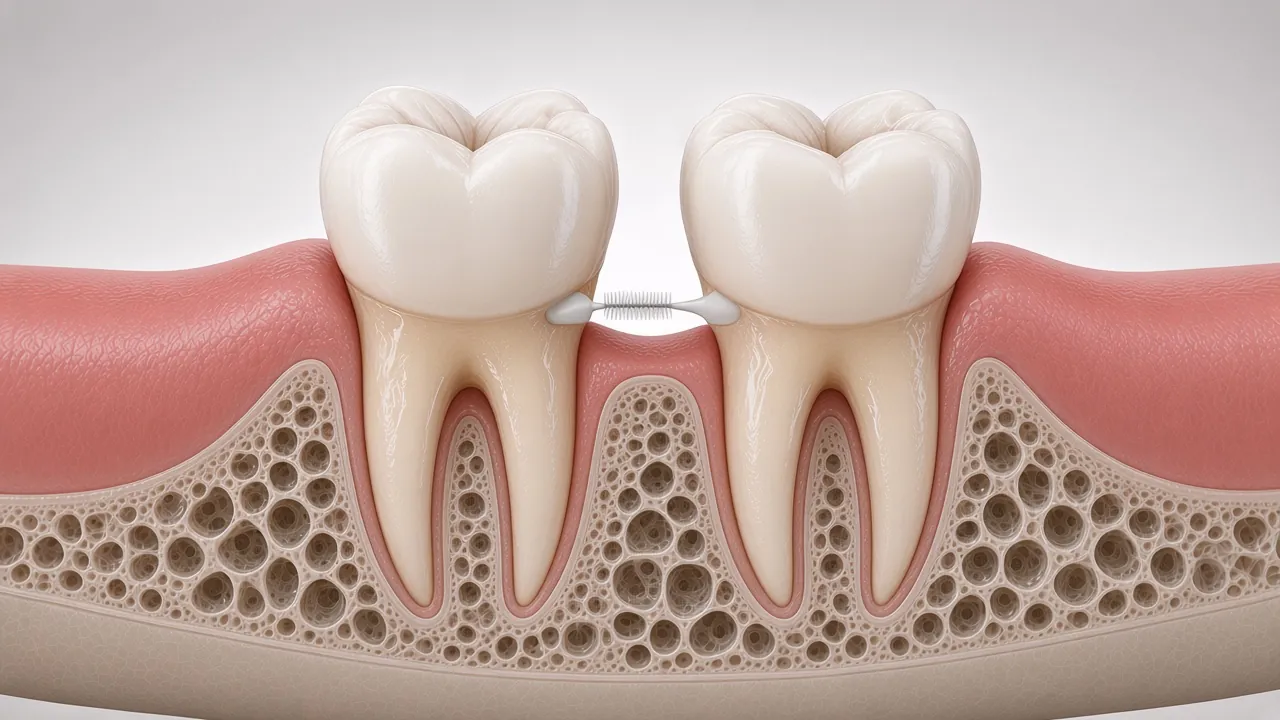
Show transcriptHide transcript (3 steps)
- A toothbrush can’t reach the tight spaces between teeth, where plaque collects.
- Ease floss between the teeth, curve it into a C shape around each tooth, then gently slide it just under the gum to lift the plaque.
- Interdental brushes are another option for larger gaps. Ask your dentist which suits you.
Sugar and tooth decay
How often you have sugar matters as much as how much.
Press play, or use the arrow buttons to step through. Captions are on by default (CC button).
Step by step Diet and decay: how it works
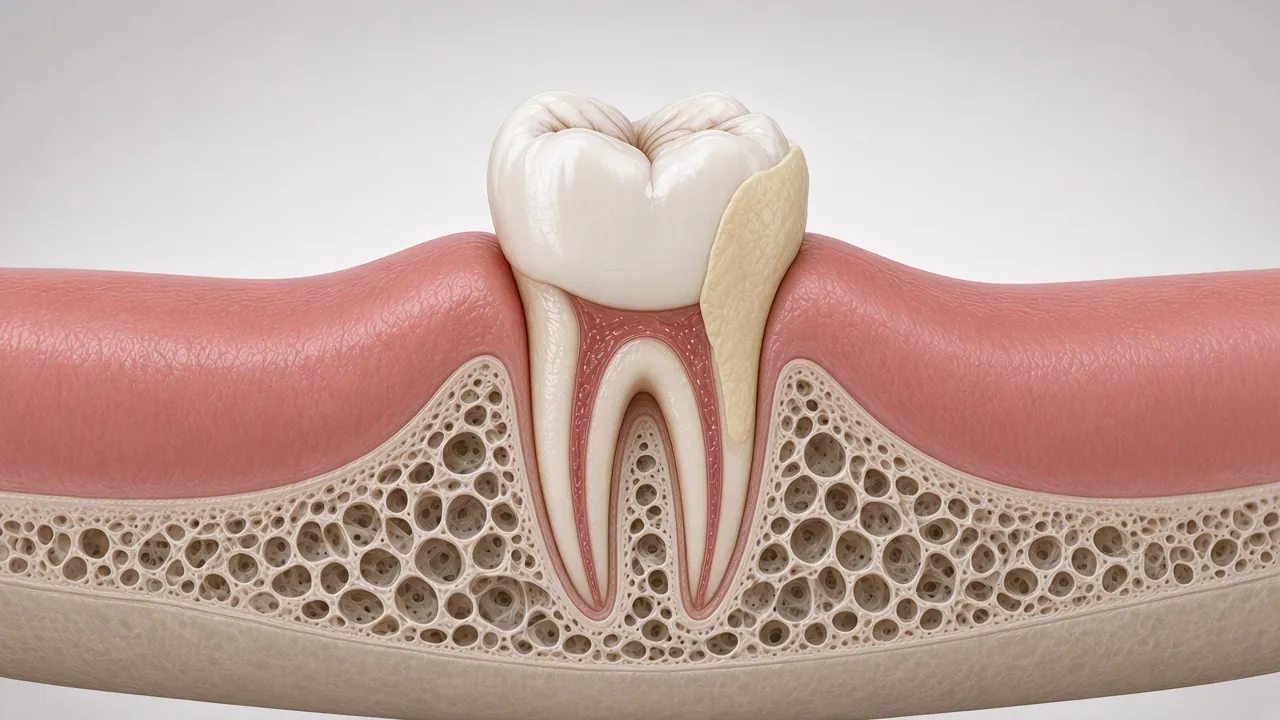
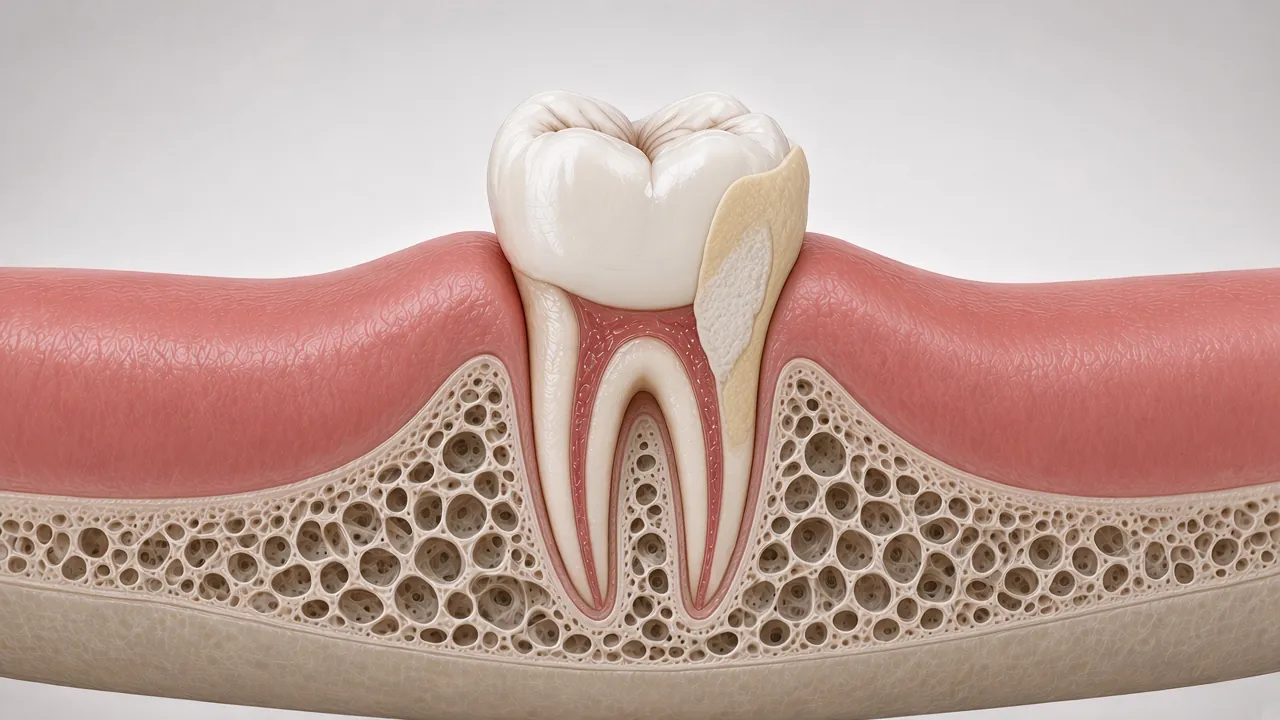
Step 1 Bacteria in plaque feed on sugars and make acid.
Show transcriptHide transcript (4 steps)
- Bacteria in plaque feed on sugars and make acid.
- Each sugary or acidic snack or drink starts an acid attack that softens enamel for a while.
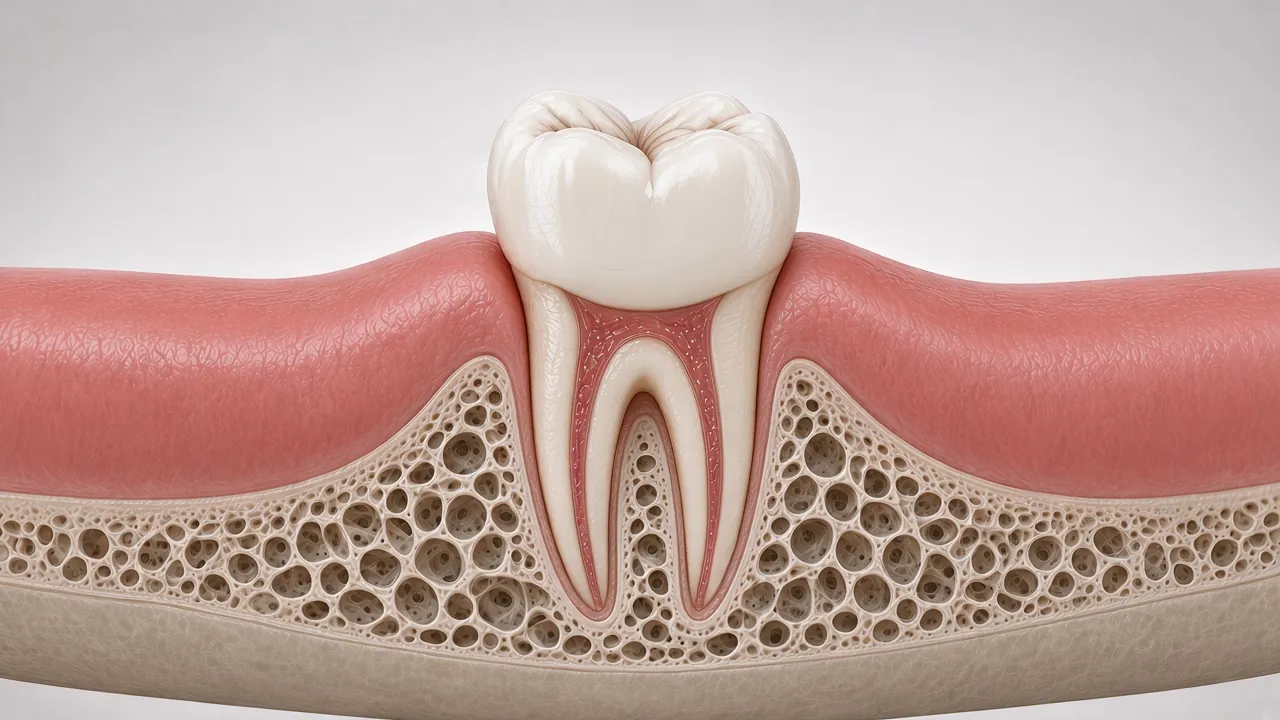
- Saliva and fluoride help the enamel repair between meals, if it gets the time.
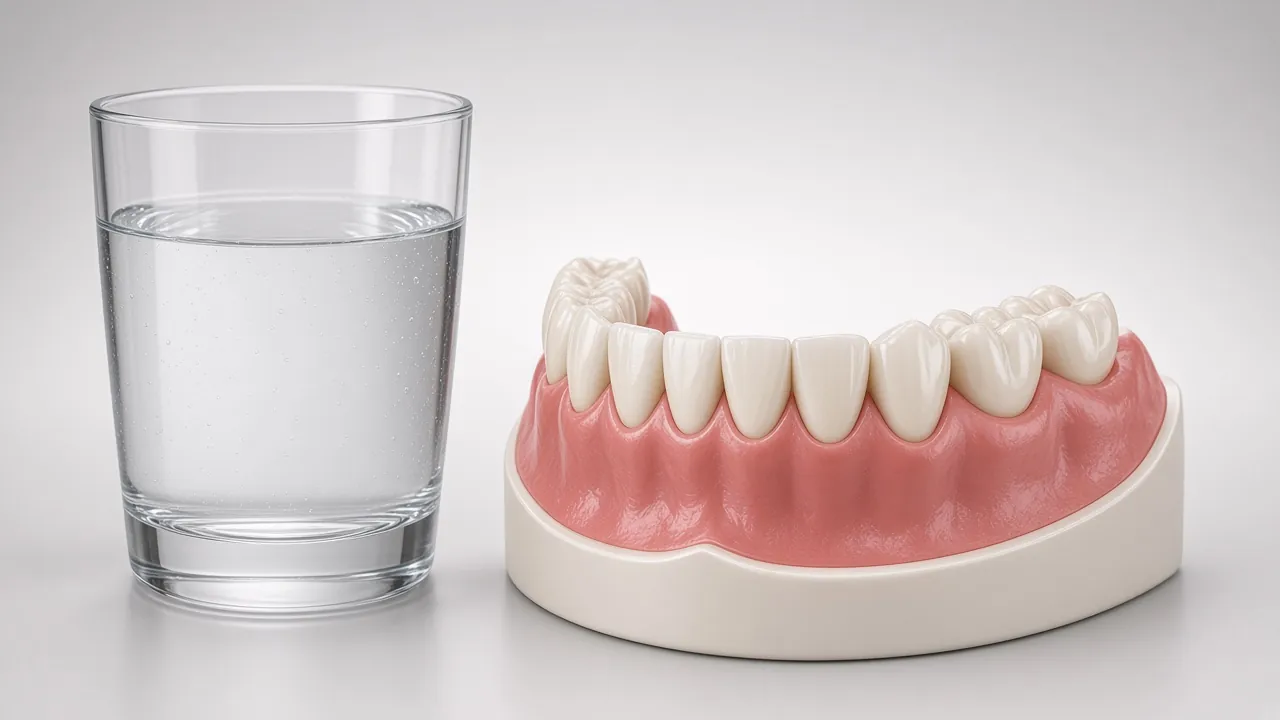
- Frequent snacking and sipping gives less time to repair. Water and fluoridated tap water are tooth-friendly choices.
Ready when you are
Request an appointment online in about 3 minutes, or call our friendly team.